

What Are the office chair parts? Complete Guide
What Are the Main Parts of an Office Chair? A Complete Guide
The main parts of an office chair include the caster wheels, chair base, gas lift cylinder, tilt mechanism, seat, backrest, armrests, headrest, lumbar support, and upholstery. Each component plays a specific role in providing comfort, stability, mobility, and ergonomic support. Understanding these parts makes it easier to diagnose problems, replace worn components, and extend the life of your office chair.
Whether you own a basic task chair or a premium ergonomic model, most office chairs share the same core components.
Quick Answer
An office chair consists of ten major parts: caster wheels, five star base, gas lift cylinder, tilt mechanism, seat, backrest, armrests, headrest, lumbar support, and upholstery. Most of these parts can be replaced individually if they become worn or damaged.
Office Chair Parts Diagram
A typical office chair consists of the following components:
- Caster wheels.
- Five star base.
- Gas lift cylinder.
- Tilt mechanism.
- Seat cushion.
- Backrest.
- Armrests.
- Headrest.
- Lumbar support.
- Upholstery.
Learning how these components work together helps you identify repair needs quickly.
1. Caster Wheels
Caster wheels allow the chair to move smoothly across the floor.
Purpose
- Easy movement.
- Protect flooring.
- Improve mobility.
- Reduce strain while moving.
Common Problems
- Hair buildup.
- Broken wheels.
- Worn bearings.
- Flat spots.
When to Replace
Replace the wheels if they no longer roll smoothly, become noisy, or show visible damage.

https://jobelservices.co.ke/where-to-buy-office-chair-parts-in-kenya/
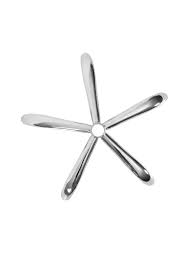
2. Five Star Chair Base
The chair base supports the entire chair and evenly distributes the user’s weight.
Purpose
- Stability.
- Weight distribution.
- Supports caster wheels.
Common Problems
- Cracks.
- Bent legs.
- Loose wheel sockets.
When to Replace
Replace immediately if cracks or structural damage are visible.
https://www.jobelgeneralhardware.com/
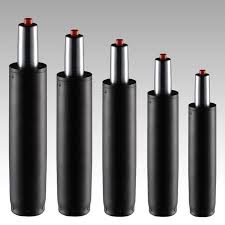
3. Gas Lift Cylinder
The gas lift controls the chair’s height adjustment.
Purpose
- Raise the chair.
- Lower the chair.
- Lock the seat height.
Common Problems
- Chair sinks.
- Height adjustment fails.
- Internal pressure loss.
When to Replace
Replace when the chair will not remain at the selected height.
4. Tilt Mechanism
The tilt mechanism allows the chair to recline and lock in different positions.
Purpose
- Reclining.
- Rocking.
- Seat locking.
- Tension adjustment.
Common Problems
- Chair leaning.
- Locking failure.
- Noisy movement.
- Broken adjustment lever.
When to Replace
Replace if reclining or locking functions stop working correctly.
5. Seat Cushion
The seat supports the user’s weight throughout the working day.
Purpose
- Comfort.
- Pressure distribution.
- Posture support.
Common Problems
- Flattened foam.
- Torn fabric.
- Sagging.
When to Replace
Replace when comfort decreases or the foam loses support.
6. Backrest
The backrest supports the spine and encourages good posture.
Purpose
- Back support.
- Ergonomic positioning.
- Improved comfort.
Common Problems
- Loose frame.
- Cracked mounting points.
- Damaged upholstery.
When to Replace
Replace when structural damage affects support.
7. Armrests
Armrests reduce strain on the shoulders and arms.
Purpose
- Support forearms.
- Reduce shoulder fatigue.
- Improve posture.
Common Problems
- Torn arm pads.
- Broken brackets.
- Loose adjustment.
When to Replace
Replace if they become unstable or uncomfortable.
8. Headrest
Many ergonomic chairs include an adjustable headrest.
Purpose
- Neck support.
- Head support.
- Better posture.
Common Problems
- Loose adjustment.
- Broken brackets.
- Damaged padding.
When to Replace
Replace if adjustment no longer functions correctly.
9. Lumbar Support
Lumbar support maintains the natural curve of the lower back.
Purpose
- Lower back support.
- Improved posture.
- Reduced fatigue.
Common Problems
- Broken adjustment.
- Poor support.
- Loose mechanism.
When to Replace
Replace if lumbar support no longer provides adequate comfort.
10. Upholstery
The upholstery covers the chair and protects the cushioning.
Common Materials
- Fabric.
- Mesh.
- Leather.
- Vinyl.
Common Problems
- Tears.
- Stains.
- Wear.
- Fading.
When to Replace
Replace or reupholster when the covering becomes damaged or uncomfortable.
Office Chair Parts and Their Functions
| Part | Main Function | Replaceable? |
|---|---|---|
| Caster wheels | Mobility | Yes |
| Chair base | Stability | Yes |
| Gas lift cylinder | Height adjustment | Yes |
| Tilt mechanism | Reclining | Yes |
| Seat cushion | Comfort | Yes |
| Backrest | Spine support | Usually |
| Armrests | Arm support | Yes |
| Headrest | Neck support | Usually |
| Lumbar support | Lower back support | Sometimes |
| Upholstery | Protection and appearance | Yes |
Which Office Chair Parts Wear Out Most Often?
The components that typically require replacement first are:
- Caster wheels.
- Gas lift cylinder.
- Armrests.
- Tilt mechanism.
- Seat cushion.
These parts experience the most movement and daily wear.
Can You Replace Every Office Chair Part?
Yes. Most modern chairs are modular, allowing individual components to be replaced instead of purchasing an entirely new chair.
Common replacement parts include:
- Wheels.
- Gas lifts.
- Chair bases.
- Armrests.
- Mechanisms.
- Upholstery.
Replacing individual components is often more affordable and environmentally friendly.
Why Buy Office Chair Parts from Jobel Services?
Jobel Services supplies quality replacement office chair parts for homes, offices, schools, and institutions across Kenya.
Our products include:
- Office chair wheels.
- Gas lift cylinders.
- Chair bases.
- Tilt mechanisms.
- Armrests.
- Other office chair accessories.
Our experienced team can help you identify the correct replacement parts for your chair.
Frequently Asked Questions
What are the main parts of an office chair?
The primary components are the wheels, base, gas lift cylinder, tilt mechanism, seat, backrest, armrests, headrest, lumbar support, and upholstery.
Which office chair part fails most often?
Caster wheels and gas lift cylinders are usually the first components to wear out because they experience constant movement.
Can office chair parts be replaced?
Yes. Most office chair components can be replaced individually, making repairs much more affordable than buying a new chair.
Are office chair parts universal?
Some parts, such as many caster wheels and gas lift cylinders, are universal. Others, including armrests and tilt mechanisms, often require model specific replacements.
How long do office chair parts last?
The lifespan varies by component, usage, and maintenance. High quality parts can last for many years with proper care.
Conclusion
Understanding the main parts of an office chair helps you identify problems early, choose the correct replacement parts, and extend the life of your furniture. Rather than replacing an entire chair, you can often restore its comfort and functionality by replacing only the worn components.
Jobel Services offers a wide selection of high quality chair spare parts in Kenya, including caster wheels, gas lift cylinders, chair bases, armrests, and tilt mechanisms. Whether you are repairing a single chair or maintaining an entire workplace, we have the parts you need.
