

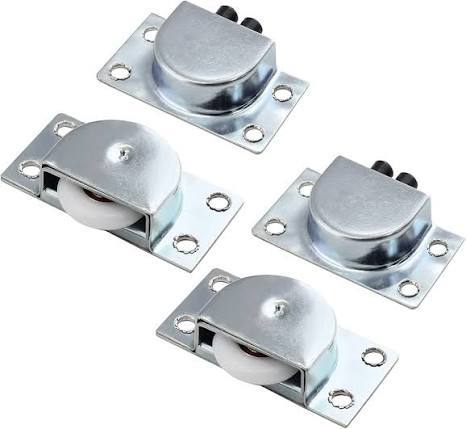
Wardrobe Wheels
Wardrobe Wheels: How Do You Choose the Right Wheels for Sliding Doors?
Direct Answer
The right wardrobe wheels should match your sliding door’s weight, wheel size, track design, mounting system, and roller configuration. If your wardrobe door is difficult to slide, noisy, uneven, or keeps coming off the track, worn wardrobe wheels may need replacement.

Complete Guide to Wardrobe Wheels
Sliding wardrobe doors rely on wheels and rollers to move smoothly along their tracks.
These components carry the door and guide its movement.
Over time, wardrobe wheels can wear out because of:
- Frequent use.
- Excessive door weight.
- Dirt and debris.
- Damaged tracks.
- Poor alignment.
- Worn bearings.
- Incorrect installation.
Replacing worn wheels can restore smoother door movement without replacing the entire wardrobe.
Jobel Hardware supplies wardrobe wheels and furniture hardware for sliding wardrobes, cabinets, storage furniture, and repair projects across Kenya.
https://primepathsolutions.co.ke/
What Are Wardrobe Wheels?
Wardrobe wheels are rollers installed on sliding wardrobe doors.
They allow the door to move along a track.
A typical sliding wardrobe system can include:
- Rollers.
- Wheel assemblies.
- Top guides.
- Bottom guides.
- Tracks.
- Mounting brackets.
- Adjustment screws.
The exact components depend on the wardrobe design.
What Types of Wardrobe Wheels Are Available?
Bottom Roller Wheels
Bottom rollers support much of the door’s weight and run along the lower track.
They are common in many sliding wardrobe systems.
Top Roller Wheels
Top rollers guide the door along an upper track.
The exact role depends on the wardrobe system.
Adjustable Wardrobe Rollers
Adjustable rollers allow the door height or alignment to be adjusted.
This can help compensate for small installation differences.
Single Wheel Rollers
These use one wheel in the roller assembly.
Double Wheel Rollers
These use two wheels to provide additional support or stability where the system requires it.
How Do You Choose Wardrobe Wheels?
1. Check the Existing Roller
Before buying a replacement, remove one existing roller if possible.
Compare its:
- Shape.
- Wheel size.
- Mounting system.
- Bracket design.
- Adjustment mechanism.
2. Measure the Wheel
Check:
- Wheel diameter.
- Wheel width.
- Axle size.
3. Check the Door Weight
The roller must support the wardrobe door.
Heavy glass or solid doors may require stronger roller systems than lightweight panels.
4. Check the Track
The new wheel must be compatible with the existing track.
A wheel with the wrong profile may not roll correctly.
5. Check the Mounting System
The roller must fit the door and existing mounting points.
What Size Wardrobe Wheels Do I Need?
There is no universal wardrobe wheel size.
The correct size depends on:
- Existing roller assembly.
- Door weight.
- Track profile.
- Door thickness.
- Available mounting space.
- Wheel design.
When replacing a roller, matching the wheel diameter alone may not be enough.
The wheel profile and mounting assembly also need to match.
How Do You Measure Wardrobe Wheels?
Follow these steps before purchasing replacement rollers.
Measure Wheel Diameter
Measure from one edge of the wheel to the opposite edge.
Measure Wheel Width
Measure across the wheel.
Check the Axle
Measure the axle or mounting pin where applicable.
Measure the Roller Housing
Check the dimensions of the complete roller assembly.
Check Mounting Holes
Record the position and spacing of mounting holes.
Check Track Profile
Inspect the existing track to determine how the wheel sits and moves along it.
Why Are My Wardrobe Doors Difficult to Slide?
Several problems can cause difficult movement.
Possible causes include:
- Worn wardrobe wheels.
- Dirt in the track.
- Damaged rollers.
- Misaligned doors.
- Bent tracks.
- Damaged bearings.
- Excessive door weight.
- Incorrect roller adjustment.
Inspect the wheels and track before replacing components.
Why Are My Wardrobe Doors Making Noise?
Noisy sliding doors can result from:
- Worn wheels.
- Damaged bearings.
- Dirt.
- Debris.
- Damaged tracks.
- Poor alignment.
Cleaning the track may solve a minor problem.
If the roller is damaged, replacement may be necessary.
Why Does My Wardrobe Door Keep Coming Off the Track?
A sliding wardrobe door can come off its track because of:
- Worn rollers.
- Incorrect roller adjustment.
- Damaged track.
- Loose hardware.
- Incorrect installation.
- Excessive door movement.
Check both the roller assembly and track before replacing only one component.
How to Replace Wardrobe Wheels
The exact procedure depends on the wardrobe system.
A typical replacement involves:
- Remove or lift the sliding door carefully.
- Locate the roller assembly.
- Remove the damaged roller.
- Compare the old and replacement roller.
- Install the new roller.
- Secure the mounting hardware.
- Reinstall the door.
- Position the door on the track.
- Adjust the roller height if applicable.
- Test the door.
The door should move smoothly without excessive wobbling.
How to Adjust Sliding Wardrobe Wheels
Many adjustable roller systems include an adjustment screw.
Adjustment can help:
- Level the door.
- Correct uneven gaps.
- Improve track contact.
- Prevent rubbing.
Make small adjustments and test the door after each adjustment.
Wardrobe Wheels for Wooden Doors
Wooden wardrobe doors can be relatively heavy.
Choose rollers based on the actual door weight and existing track system.
Do not assume that every wardrobe roller will support a solid wooden door.
Wardrobe Wheels for Glass Doors
Glass wardrobe doors require compatible roller systems.
The roller must suit:
- Door weight.
- Glass construction.
- Mounting arrangement.
- Track system.
Use a roller specifically designed for the application.
Wheels for MDF Doors
MDF wardrobe doors can use various roller systems.
The roller mounting arrangement must match the door construction.
Check the existing roller before purchasing a replacement.
Wardrobe Wheels vs Wardrobe Tracks
Wardrobe wheels and tracks perform different functions.
Wardrobe wheels move with the door.
Wardrobe tracks provide the surface or channel along which the wheels travel.
Both components must work together.
Replacing the wheels will not solve every sliding-door problem if the track is damaged.
When Should You Replace Wardrobe Wheels?
Consider replacing the wheels when:
- The door becomes difficult to slide.
- The rollers make unusual noise.
- The wheels wobble.
- The door repeatedly leaves the track.
- The roller is cracked.
- Bearings are damaged.
- Adjustment no longer works.
- The wheel surface is badly worn.
When Should You Replace the Wardrobe Track?
The track may need attention when:
- It is bent.
- It has deep damage.
- The wheel repeatedly catches on the same section.
- The track is severely worn.
- The mounting points are damaged.
Inspect the entire sliding system before deciding which component needs replacement.
Benefits of Replacing Wheels
Smoother Door Movement
New rollers can improve sliding performance.
Reduced Noise
A suitable replacement can reduce noise caused by worn or damaged wheels.
Better Door Alignment
Adjustable rollers can help correct uneven positioning.
Longer Furniture Life
Replacing a damaged component can extend the useful life of the wardrobe.
Lower Repair Cost
You may only need to replace the worn roller instead of the entire door or wardrobe.
Common Wheel Replacement Mistakes
Avoid:
- Choosing wheels based only on diameter.
- Ignoring the track profile.
- Ignoring door weight.
- Installing incompatible roller assemblies.
- Failing to adjust the door after installation.
- Replacing wheels while ignoring a damaged track.
- Forcing the door onto the track.
How to Maintain Wheels
- Keep tracks clean.
- Remove dust and debris regularly.
- Inspect rollers periodically.
- Check mounting screws.
- Check door alignment.
- Avoid forcing difficult doors.
- Replace damaged rollers early.
Why Buy Wheels from Jobel Hardware?
Jobel Hardware supplies wardrobe wheels and furniture hardware for:
- Sliding wardrobes.
- Bedroom furniture.
- Office storage.
- Custom wardrobes.
- Cabinet systems.
- Furniture repair projects.
Before purchasing replacement wheels, confirm the wheel diameter, wheel width, track type, roller configuration, mounting system, and door weight.
Frequently Asked Questions
What are wardrobe wheels?
Wardrobe wheels are rollers fitted to sliding wardrobe doors to allow them to move along a track.
How do I know which wardrobe wheels I need?
Compare the existing roller assembly and check the wheel diameter, wheel width, mounting system, track profile, and door weight.
Are wheels universal?
No. Sliding wardrobe systems use different roller designs and mounting configurations.
Why is my sliding wardrobe door hard to open?
Possible causes include worn rollers, dirt, damaged tracks, poor alignment, or incorrect roller adjustment.
Can I replace wheels myself?
Yes, many roller systems can be replaced, but the door may be heavy and require careful handling.
Should I replace the track when replacing wardrobe wheels?
Not necessarily. Inspect the track first. If it is straight and undamaged, replacing the worn wheels may be sufficient.
Can new wheels fix a noisy wardrobe door?
They can if worn or damaged rollers cause the noise. Clean the track and inspect the complete sliding system before replacing parts.
Conclusion
wheels play an important role in the movement and alignment of sliding wardrobe doors. The correct replacement depends on wheel size, roller design, track profile, door weight, mounting system, and adjustment mechanism.
If your wardrobe door is noisy, difficult to move, uneven, or repeatedly comes off the track, inspect the wheels and track before replacing parts.
Jobel Hardware supplies wheels and related furniture hardware for sliding wardrobes, cabinets, storage systems, and furniture repair projects across Kenya.
