


School Chairs: How Do You Choose the Right Ones?
School Chairs: What Should You Consider Before Buying?
If you need to buy school chairs in Kenya, choose chairs that suit the learners’ ages, provide appropriate seating support, and withstand regular classroom use. The right school chairs should fit the desks, match the classroom layout, and remain easy to clean and maintain.
Whether you are furnishing a nursery school, primary school, secondary school, college, or tuition centre, consider chair height, seat dimensions, construction quality, stability, and the number of learners who will use the furniture. These factors help you choose practical seating rather than focusing on appearance or price alone.
Jobel Services serves customers looking for furniture and workspace solutions in Nairobi. Before purchasing school chairs, establish your quantities, identify the learners’ age groups, and measure the available classroom space.
Use these factors to guide your decision:
- Size: Select chairs appropriate for the learners’ height and age group.
- Comfort: Check the seat dimensions, backrest, and sitting position.
- Durability: Inspect the frame, joints, seat, and backrest.
- Stability: Choose chairs that stand firmly on the floor.
- Materials: Compare plastic, metal, and wooden construction where available.
- Desk compatibility: Ensure the chair works with the intended classroom desks.
- Maintenance: Consider how easily staff can clean and inspect the chairs.
For enquiries, contact Jobel Services at Gikomba, Beaver House, opposite NCBA Bank, Nairobi. Share classroom photographs, measurements, and the number of chairs required to help discuss suitable options before purchasing.
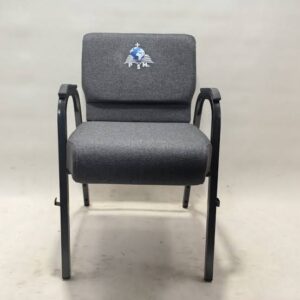
https://jobelservices.co.ke/shop/
What Are School Chairs?
School chairs are seats designed for learners in educational environments. They are used in classrooms, libraries, computer laboratories, examination rooms, tuition centres, and other learning spaces.
Depending on the design, school chairs may have plastic seats, wooden components, metal frames, or combined materials. Some are lightweight and easy to move, while others use stronger frames intended for frequent institutional use.
The best option depends on the learners, classroom activities, and furniture arrangement. For example, a chair for a young child may need different dimensions from one intended for a secondary-school student.
School chairs should also work with the desks in the classroom. Even a sturdy chair may be unsuitable if its seat height makes the desk uncomfortable to use.
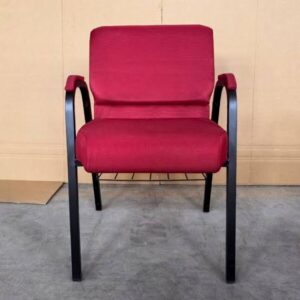
https://primepathsolutions.co.ke/shop/
Why Are Quality School Chairs Important?
1. They Support Comfortable Classroom Seating
Learners spend time reading, writing, listening, and completing assignments while seated. A suitable chair helps them maintain a more comfortable working position.
Consider seat height, seat depth, backrest design, and the learner’s size. The chair should allow the learner to sit with stable support and use the desk without excessive reaching or bending.
2. They Withstand Regular Classroom Use
School chairs are used by many learners throughout the school day. They may also be moved between classrooms or rearranged for different activities.
Strong construction can help reduce problems such as loose joints, cracked seats, and unstable frames. However, durability depends on the actual materials, design, workmanship, and maintenance.
3. They Help Organise Classroom Space
Suitable chairs allow schools to arrange seating according to the teaching method. Rows may suit some lessons and examinations, while groups may work better for collaborative activities.
Lightweight chairs can be easier to reposition. Heavier designs may provide a different balance of stability and handling. Consider how often staff need to move the furniture.
4. They Improve Desk Compatibility
Chair and desk dimensions should work together. A chair that is too high or too low can make writing uncomfortable.
Before purchasing chairs in bulk, compare their dimensions with the existing desks or include both products in your furniture planning.
5. They Make Classroom Maintenance Easier
School chairs require regular cleaning and inspection. Practical surfaces and accessible frame connections can simplify routine maintenance.
Staff should also be able to identify loose fittings, damaged seats, and unstable legs before these problems become more serious.
What Types of School Chairs Can You Choose?
Different learning environments require different seating designs. Compare the following options according to your school’s needs.
1. Plastic School Chairs
Plastic school chairs are often lightweight and easy to move. Their simple construction can suit classrooms, activity rooms, and other spaces where staff frequently rearrange seating.
Before buying, inspect the chair’s stability, seat dimensions, surface finish, and stated load capacity where available. Not all plastic chairs are designed for the same level of use.
2. Metal-Frame School Chairs
Metal-frame chairs combine a supporting frame with a seat and backrest made from materials such as plastic or wood.
They may suit classrooms that need practical, frequently used seating. Inspect the frame joints, finish, and contact points with the floor.
Metal frames should also be checked for sharp edges, loose components, and signs of corrosion where relevant.
3. Wooden School Chairs
Wooden school chairs provide a traditional classroom seating option. Their suitability depends on the wood, frame design, finishing, and construction quality.
Check the joints, surface finish, and stability. Rough surfaces, loose connections, and damaged edges should be addressed before the chairs are used.
4. Combined Desk-and-Chair Units
Some school furniture combines the writing surface and seating into one unit. These designs can provide a consistent classroom arrangement.
However, they offer less flexibility than separate desks and chairs. Before purchasing, ensure that the dimensions suit the intended learners and that the units can be arranged appropriately in the classroom.
5. Nursery School Chairs
Nursery school chairs should have dimensions appropriate for younger children. Stability, suitable seat height, smooth edges, and easy cleaning are important considerations.
Choose chairs that allow children to sit and stand without unnecessary difficulty. Check that the design suits the classroom’s activities and works with the children’s tables.
6. Primary School Chairs
Primary school chairs should match the learners’ sizes and the desks they use. Schools serving several age groups may need more than one chair size.
Check the seat height, backrest, and stability before placing a large order. Avoid assuming that one chair design will suit every primary-school class.
7. Secondary School Chairs
Secondary-school students may require larger chairs with suitable seat dimensions and back support.
The chairs should work with classroom desks and allow students to sit comfortably while writing or reading. Durability is also important because the furniture may experience frequent daily use.
8. Computer Laboratory Chairs
Computer laboratory chairs should suit the desks and equipment arrangement. Students need enough space to sit, reach the keyboard, and use the monitor comfortably.
Where learners use computers for extended periods, consider the seat height, backrest, desk compatibility, and available movement space.
Do not select adjustable or wheeled chairs without considering classroom supervision, floor conditions, maintenance, and the intended age group.
How Do You Choose the Right School Chairs?
Before buying school chairs, assess the following factors carefully.
1. Identify the Learners’ Age Groups
Start by identifying who will use the chairs. Nursery-school children, primary-school learners, and older students may require different seating dimensions.
Consider the learners’ approximate height and the type of desk they will use. If the school serves several age groups, separate the order into appropriate specifications.
This approach helps prevent purchasing chairs that are too large or too small for the intended users.
2. Measure the Existing Desks
Chair height should work with the desk height. If you are replacing chairs but keeping the existing desks, measure the desks before choosing new seating.
Check that learners can sit close enough to the desktop to write comfortably. Also, ensure that the chair does not prevent them from moving their legs naturally.
If you are furnishing a new classroom, plan desk and chair dimensions together instead of buying each item separately without checking compatibility.
3. Check Seat Height and Depth
Seat height affects how learners position their feet and reach the desk. Seat depth also matters because an excessively deep seat may make it difficult for smaller learners to sit with their backs supported.
Whenever possible, inspect a sample chair or obtain its dimensions before purchasing in bulk.
For younger learners, pay particular attention to the relationship between seat height, leg length, and table height.
4. Inspect the Backrest
The backrest should provide suitable support for the intended use. Check its height, shape, and stability.
A chair with a backrest may be more appropriate for classroom activities that involve sitting for lessons and writing. However, the overall fit and dimensions still matter.
Do not assume that a taller or more elaborate backrest automatically makes a chair more comfortable.
5. Compare Materials and Construction
Different materials offer different practical benefits.
Plastic: Often lightweight and simple to clean. Check the construction, stability, and suitability for institutional use.
Metal: Can provide structural support when properly designed and assembled. Inspect joints, finishing, and floor contact points.
Wood: Can provide a sturdy, traditional design when the wood and joints are suitable. Check the finish and overall construction.
The best choice depends on the design and workmanship, not the material name alone.
6. Check Stability and Safety
Place the chair on a level surface and check whether it stands firmly. Inspect the legs, frame, seat attachment, and backrest connections.
Look for cracked plastic, loose screws, sharp edges, exposed fasteners, and damaged components.
For children’s classrooms, give particular attention to stability and finishing. Remove damaged chairs from use until they have been assessed and repaired or replaced.
7. Consider Weight Capacity and Intended Use
Check the manufacturer’s stated load capacity where available. Choose chairs designed for the intended users and the expected level of classroom activity.
Avoid relying on appearance alone to judge how much weight a chair can safely support. If specifications are unclear, request confirmation from the seller before ordering.
8. Evaluate Storage and Movement
Some schools need to move chairs frequently between classrooms, assembly areas, and activity spaces.
If this applies to your institution, consider the chair’s weight, shape, and ease of handling. Stackable designs may help save storage space when they are specifically designed for safe stacking.
Confirm the recommended stacking method and maximum stacking height rather than stacking chairs without guidance.
9. Compare the Total Cost
For large purchases, calculate the cost of the required quantity rather than comparing only individual prices.
Also, confirm transport, delivery, assembly where necessary, and replacement arrangements. These factors can affect the overall purchasing budget.
Ask for a quotation based on the exact chair specifications and quantity. This makes it easier to compare options consistently.
How Do You Choose School Chairs for Different Educational Levels?
Nursery Schools
Prioritise appropriate dimensions, stable construction, and smooth, well-finished surfaces. The chairs should suit young children’s activities and work with their tables.
Primary Schools
Choose chairs according to the learners’ age groups and desk dimensions. If classes have significantly different furniture requirements, consider separate chair sizes.
Secondary Schools
Look for suitable seat dimensions, a stable frame, and compatibility with classroom desks. Students may need seating that accommodates lessons, written assignments, and examinations.
Colleges and Training Institutions
Consider the type of learning, duration of classroom sessions, available space, and desk arrangement. Practical, durable seating may be important where chairs are used throughout the day.
Computer Laboratories
Choose chairs that allow learners to sit at the computer desks comfortably. Check desk height, keyboard access, seat dimensions, and room for movement.
For any educational setting, select chairs according to the users and actual classroom conditions rather than choosing one design for every purpose.
School Chairs vs Office Chairs: Which Should You Buy?
School chairs and office chairs serve different needs, although both provide seating for work and learning.
| Feature | School Chairs | Office Chairs |
|---|---|---|
| Main setting | Classrooms and educational spaces | Offices and workspaces |
| Typical design | Often simple and easy to move | May include adjustable features |
| Adjustment | Often fixed-height | Some models offer height and tilt adjustment |
| Maintenance | Usually straightforward | Depends on mechanisms and upholstery |
| Main selection factors | Learner size, stability, and desk compatibility | Work requirements, adjustability, and comfort |
A standard school chair may suit ordinary classroom activities. An adjustable office chair may be appropriate for selected computer laboratories or specialised learning environments.
However, expensive features do not automatically make a chair suitable for students. Match the design to the learners, desks, classroom activities, and maintenance budget.
Common Mistakes to Avoid When Buying School Chairs
Choosing the Wrong Size
A chair that is too high or too deep may make it difficult for a learner to sit comfortably. Check the dimensions and age-group requirements before ordering.
Ignoring Desk Compatibility
Even a well-constructed chair may not work with a desk of unsuitable height. Compare both products before making a final decision.
Buying Based Only on Price
A low purchase price may not represent good value if the chairs wear out quickly. Consider construction, materials, maintenance, and expected usage.
Overlooking Stability
Loose joints, uneven legs, and damaged seats can create safety concerns. Inspect samples and check specifications where possible.
Ordering Without Measuring the Classroom
Too many chairs can obstruct movement and make the room difficult to arrange. Measure the room and plan the layout before confirming quantities.
Failing to Inspect Bulk Deliveries
When a large order arrives, check the quantity, design, condition, and specifications before distributing the chairs to classrooms.
How Do You Maintain School Chairs?
Regular maintenance helps school chairs remain functional and presentable.
- Clean surfaces with products suitable for their materials.
- Inspect legs, joints, and frame connections periodically.
- Tighten loose fittings where appropriate.
- Remove damaged or unstable chairs from use.
- Check for sharp edges, cracks, and exposed fasteners.
- Avoid dragging chairs in ways that damage the floor or furniture.
- Follow the manufacturer’s care and maintenance instructions.
For schools with many classrooms, establish a simple inspection routine. Record damaged chairs and arrange repairs or replacements as needed.
Where Can You Buy School Chairs in Kenya?
If you are looking for school chairs in Kenya, start by identifying the intended users, required quantities, classroom dimensions, and preferred construction.
Jobel Services, located at Gikomba, Beaver House, opposite NCBA Bank, Nairobi, serves customers looking for furniture and workspace solutions.
Before making an enquiry, prepare the following details:
- The number of chairs required.
- The learners’ age groups.
- The desk dimensions or type.
- Your preferred chair materials and design.
- Any storage or stacking requirements.
- Your budget and delivery needs.
If you are furnishing multiple classrooms, share photographs and measurements of the spaces. These details can help you explain your requirements and compare suitable options.
Ready to source school chairs? Contact Jobel Services to discuss your classroom seating requirements. For bulk purchases, request a quotation based on the required quantities and specifications, and confirm current pricing, availability, and delivery arrangements before placing your order.
Frequently Asked Questions About School Chairs
1. Which school chairs are best for primary schools?
Choose chairs that match the learners’ sizes, work with the classroom desks, and provide stable seating. Compare seat height, seat depth, construction, and ease of maintenance.
2. Are plastic school chairs durable?
Some plastic chairs are suitable for frequent institutional use, but durability varies by design and construction. Check the manufacturer’s specifications, stability, and intended use before buying.
3. Should school chairs have backrests?
Backrests can provide support during classroom activities. Choose a design with appropriate dimensions and a stable structure for the intended learners.
4. How do I choose chairs for nursery-school children?
Consider suitable seat height, stability, smooth finishing, and compatibility with children’s tables. Inspect the chair for damaged edges and other potential hazards.
5. Can school chairs be used in computer laboratories?
Yes. Choose chairs that work with the computer desks and allow learners to sit and reach their equipment comfortably. Adjustable models may suit some settings, depending on the learners and classroom requirements.
6. How many school chairs should I buy?
Base the quantity on the number of learners, classroom layout, and seating arrangement. Measure each classroom and plan the furniture layout before ordering.
7. Are stackable school chairs a good option?
They can be useful where chairs need to be stored between activities. Confirm that the chairs are designed for stacking and follow the manufacturer’s storage instructions.
8. What should I check before buying school chairs in bulk?
Confirm the chair dimensions, materials, construction, quantities, price, availability, and delivery arrangements. Inspect a sample where possible and check the delivered order before distributing the chairs.
Conclusion: Choose School Chairs That Fit Your Learners
The right school chairs should suit the learners’ sizes, work with the classroom desks, withstand regular use, and remain practical to maintain. Before purchasing, compare dimensions, materials, stability, construction, and the available classroom space.
For schools and educational institutions, planning desk compatibility and seating quantities in advance can help prevent avoidable purchasing mistakes.
For school chair enquiries in Nairobi, contact Jobel Services at Gikomba, Beaver House, opposite NCBA Bank. Share your classroom measurements, photographs, required quantities, and preferred specifications to discuss suitable options.
