


Bookcases: How Do You Choose the Right Bookcase?
Where Can You Buy the Right Bookcases in Kenya?
If you need to buy bookcases in Kenya, choose a design that fits your available space, holds your books securely, and matches the way you use your room. The right bookcase should provide enough shelf space, remain stable under load, and make it easy to organise books, files, documents, and decorative items.
Jobel Services supplies furniture and related hardware products in Nairobi. Before purchasing a bookcase, consider its dimensions, material, shelf capacity, number of shelves, and intended location. These details help you choose storage that serves your needs without overcrowding your room.
Whether you are furnishing a home study, an office, a school, or a reading area, comparing these features can help you make a practical purchase.
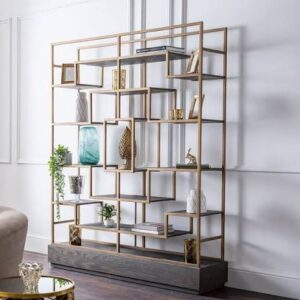
https://jobelservices.co.ke/product/duplex-office-cabinets/
What Is a Bookcase?
A bookcase is a storage unit designed primarily for organising and displaying books. Depending on its construction, it can also hold files, folders, ornaments, framed photographs, office supplies, and other everyday items.
Bookcases come in different heights, widths, depths, materials, and configurations. Some have open shelves, while others include doors, drawers, or adjustable shelving.
For example, a small bookcase may suit a bedroom or home study. In contrast, a tall bookcase can provide more storage in an office with limited floor space. Schools and libraries may require several units arranged to make books easy to locate and retrieve.
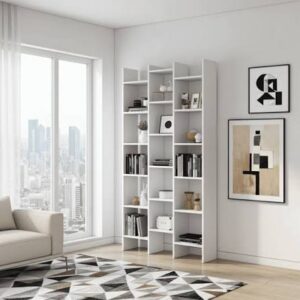
https://primepathsolutions.co.ke/shop/
Why Should You Invest in a Suitable Bookcase?
A suitable bookcase does more than store books. It helps you organise your space, protect your belongings, and maintain a tidy environment.
1. Keep Books and Documents Organised
A bookcase gives books and documents a dedicated place. As a result, you spend less time searching for reference materials, files, and study resources.
You can arrange items by subject, author, department, size, or frequency of use.
2. Make Better Use of Available Space
Vertical storage helps you store more items without occupying a large floor area. This feature is especially useful in compact apartments, offices, and study rooms.
However, measure the available height and width before choosing a tall unit.
3. Improve the Appearance of Your Room
A well-chosen bookcase can complement your existing furniture. Wooden finishes may suit traditional or executive interiors, while simple metal designs can work well in practical office environments.
4. Support Learning and Productivity
Students can keep textbooks and revision materials within reach. Similarly, professionals can organise reference books, manuals, and documents close to their workstations.
What Types of Bookcases Can You Choose From?
Before buying bookcases, identify the style that best matches your storage requirements, room layout, and budget.
1. Open Bookcases
Open bookcases have exposed shelves without doors. They provide quick access to books and make it easy to display frequently used materials.
They are suitable for home studies, offices, classrooms, and reading areas. However, books stored on open shelves may collect dust more easily.
2. Wooden Bookcases
Wooden bookcases offer a classic appearance and can complement desks, cabinets, and other wooden furniture.
Depending on the model, they may be made from solid wood, plywood, MDF, or particleboard. These materials differ in strength, weight, moisture resistance, and cost.
Therefore, confirm the construction material rather than choosing a unit based on its finish alone.
3. Metal Bookcases
Metal bookcases are useful where durability and practical storage are priorities. They can suit offices, workshops, records rooms, and other environments that need functional shelving.
Before purchasing, check the frame construction, shelf strength, finish, and stated load capacity.
4. Adjustable Bookcases
Adjustable bookcases allow you to change the height of individual shelves. This flexibility is useful when storing books of different sizes, files, binders, or display items.
They are a practical option if your storage needs may change over time.
5. Tall Bookcases
Tall bookcases provide multiple levels of storage while using a relatively small floor area. They can be suitable for offices, home libraries, and rooms with limited space.
However, tall units must be stable and properly secured where necessary. Follow the manufacturer’s installation instructions, especially in homes and spaces used by children.
6. Bookcases With Doors
Bookcases with doors help conceal stored items and reduce direct exposure to dust. Some designs combine open shelves with closed compartments.
This arrangement works well when you want to display selected books while keeping other materials out of sight.
7. Low Bookcases
Low bookcases fit beneath some windows or beside desks and sofas. They are also convenient where users need easy access to stored materials.
Measure the available height carefully, particularly if you plan to position the unit under a desk or window.
How Do You Choose the Right Bookcase?
The best bookcase depends on the items you want to store and the space available. Use the following factors to compare your options.
1. Measure the Available Space
Measure the width, height, and depth of the intended location before purchasing.
Also, check doorways, corridors, corners, and access routes. A bookcase may fit against a wall but still be difficult to move into the room.
Allow enough clearance for doors, nearby furniture, and comfortable movement.
2. Estimate Your Storage Requirements
Count your books, files, and other items. Then consider whether your collection is likely to grow.
A unit that fits your current collection may become inadequate after a few months. Therefore, choose enough shelf space for both present and expected needs.
For offices, consider the number of folders and reference materials employees need to access daily.
3. Check Shelf Dimensions
Shelf width determines how many books can fit across each level. Shelf depth affects whether larger books and binders sit properly.
The space between shelves also matters. Tall reference books require more vertical clearance than small paperbacks.
If you intend to store unusually large or heavy books, compare the actual shelf dimensions before buying.
4. Confirm Weight Capacity
Books can become heavy when stored in large quantities. For this reason, do not assume that every shelf can support the same load.
Check the manufacturer’s stated load capacity where available. Also, inspect the shelf supports, frame, joints, and overall construction.
Distribute books evenly instead of concentrating all the weight in one area. Avoid overloading shelves beyond their rated limits.
5. Select a Suitable Material
Choose the material according to the environment, expected use, and maintenance requirements.
- Solid wood: Can offer durability and a natural appearance, depending on construction and care.
- Plywood: Quality plywood can provide useful strength and dimensional stability.
- MDF: Offers a smooth surface for many finishes but requires protection from excessive moisture.
- Particleboard: Can be an economical option, although its performance depends on its grade, thickness, and construction.
- Metal: Can provide a practical frame or shelving structure, depending on its design and load rating.
Compare the complete construction rather than relying on material names alone.
6. Decide Whether You Need Adjustable Shelves
Fixed shelves may work well when you mainly store books of similar sizes. However, adjustable shelves offer greater flexibility.
Choose adjustable shelving if you regularly reorganise books, files, manuals, or other materials.
7. Consider Stability and Safety
A bookcase should stand firmly on a level surface. Check for loose joints, uneven feet, weak shelf supports, and visible damage.
Tall units may need to be anchored to a suitable wall according to the manufacturer’s instructions. This is especially important in homes with children or in busy school environments.
Do not climb on shelves or use them as ladders.
8. Match the Design to Your Room
Consider how the bookcase will look beside your desk, cabinets, tables, and other furniture.
A compact unit may suit a bedroom, while a larger bookcase can serve as a focal point in an office or reading room.
Nevertheless, prioritise size, stability, and storage capacity before choosing a colour or decorative finish.
Which Bookcases Are Best for Small Rooms?
Small rooms benefit from bookcases that use vertical space efficiently.
Consider these options:
- Tall, narrow bookcases that fit against available wall space.
- Low bookcases that can fit beneath suitable windows.
- Wall-mounted shelves where the wall and fixings can safely support the load.
- Compact units with adjustable shelves for mixed storage needs.
Avoid buying an oversized bookcase that blocks walkways or makes the room difficult to use. Instead, measure the room and identify the wall with the most practical access.
If you are furnishing a small home office, also consider how the bookcase will affect your chair movement and desk access.
What Should You Consider When Buying Office Bookcases?
Office bookcases should support organised storage without interfering with daily work.
First, determine what employees need to store. Reference books, product catalogues, manuals, files, and display materials may require different shelf dimensions.
Next, consider access. Frequently used items should be placed on convenient shelves, while heavier materials should be stored at safe, accessible heights.
For shared offices, choose a capacity that accommodates several users. You may also need multiple units to separate departments, projects, or document categories.
Finally, consider durability, cleaning requirements, stability, and how the bookcase will fit with existing office furniture.
Are Bookcases Suitable for Schools and Libraries?
Yes. Bookcases can support organised storage in classrooms, staffrooms, school libraries, and reading areas.
However, educational environments need careful planning. Shelf heights should suit the intended users, and the arrangement should leave adequate room for movement.
For school libraries, consider how books will be classified and labelled. Adjustable shelves may be useful because different book categories can require different amounts of vertical space.
Where many people use the same room, avoid layouts that create narrow or obstructed walkways. Tall units should also be installed and secured appropriately.
For larger collections, compare bookcases with purpose-designed library shelving. Library shelving systems may provide better options for organising large volumes of books and managing dedicated reading areas.
Bookcases vs. Bookshelves: What Is the Difference?
The terms are sometimes used interchangeably, but they can describe different storage arrangements.
A bookcase usually refers to a freestanding or enclosed furniture unit containing several shelves. A bookshelf may refer to an individual shelf, a wall-mounted shelf, or the shelving levels inside a larger unit.
Choose a bookcase when you want a complete storage unit that can stand in a suitable location. Consider separate bookshelves when you want to use wall space or create a custom arrangement.
Your choice should depend on the room layout, wall suitability, storage capacity, and installation requirements.
Common Mistakes to Avoid When Buying Bookcases
Avoid these mistakes when comparing bookcases:
- Ignoring measurements: A unit that is too wide or tall may not fit the intended location.
- Overlooking shelf strength: Heavy books can damage shelves that are not designed for the load.
- Choosing appearance over function: A decorative design may not provide the shelf space you need.
- Forgetting future storage: A full bookcase leaves little room for additional books or files.
- Ignoring stability: Tall units may need suitable anchoring and a level installation surface.
- Selecting the wrong depth: Large books may extend beyond shallow shelves.
- Failing to plan access: Poor placement can block doors, walkways, or nearby furniture.
To make a better decision, compare the dimensions, construction, capacity, and intended use of each option before purchasing.
How Do You Maintain a Bookcase?
Regular maintenance helps preserve the appearance and usefulness of your bookcase.
- Remove dust regularly. Use a suitable cloth and cleaning method for the material.
- Check shelf supports. Inspect joints, brackets, and fixings for signs of loosening.
- Distribute weight evenly. Avoid placing excessive weight on one shelf.
- Protect wooden surfaces. Keep them away from persistent moisture and follow the manufacturer’s cleaning advice.
- Inspect metal components. Check for damage, loose connections, or corrosion.
- Keep the unit level. Correct installation issues before they affect stability.
- Avoid dragging a loaded unit. Remove stored items before moving the bookcase.
If a shelf begins to sag, reduce its load and investigate the cause before continuing to use it.
Where Can You Buy Bookcases in Nairobi, Kenya?
If you are ready to buy bookcases in Nairobi, Jobel Services can help you explore furniture and related hardware options for your storage requirements.
Visit Jobel Services at Gikomba, Beaver House, opposite NCBA Bank, Nairobi. Before visiting, prepare the measurements of your available space and estimate how many books, files, or other items you need to store.
For more suitable recommendations, send photos of the intended location and explain your preferred height, width, material, shelf arrangement, and budget. This information can help narrow down suitable options before you make a purchase.
Whether you are furnishing a home study, office, school, or reading area, choose a bookcase that balances storage capacity, stability, durability, and appearance.
Frequently Asked Questions About Bookcases
1. What size bookcase should I buy?
Choose a size that fits your available space and accommodates your collection. Measure the height, width, and depth of the intended location, then compare these measurements with the bookcase dimensions.
2. Which material is best for a bookcase?
The best material depends on your budget, storage requirements, environment, and preferred appearance. Compare wood, MDF, plywood, particleboard, and metal options based on their construction and expected use.
3. Are tall bookcases safe?
Tall bookcases can be safe when they are stable, correctly assembled, and installed according to the manufacturer’s instructions. Where recommended, secure them to a suitable wall to reduce the risk of tipping.
4. Can I use a bookcase to store office files?
Yes. Many bookcases can hold files, folders, manuals, and reference documents. Check shelf depth, vertical clearance, and load capacity before storing heavy files.
5. Are adjustable bookcases worth buying?
Adjustable bookcases are useful when you store items of different heights or expect your storage needs to change. They allow you to rearrange shelf spacing instead of replacing the entire unit.
6. What is the difference between a bookcase and library shelving?
A bookcase is generally a furniture unit for books and other items. Library shelving is often designed for larger collections, structured classification, and efficient access within dedicated library spaces.
7. How do I know whether a bookcase can hold heavy books?
Check the manufacturer’s stated load capacity and inspect the shelf supports and overall construction. Do not exceed the recommended limit, and distribute books evenly across each shelf.
8. Where can I buy bookcases in Nairobi?
You can visit Jobel Services at Gikomba, Beaver House, opposite NCBA Bank, Nairobi, to explore relevant furniture and hardware options. Contact the business before visiting to confirm the availability of the specific bookcase you need.
Conclusion
Choosing the right bookcases involves more than finding a design that looks good. You need to consider available space, shelf dimensions, weight capacity, material, stability, and future storage needs.
For homes, compact or tall bookcases can help organise books without occupying too much floor space. For offices and educational facilities, focus on durability, accessibility, safe installation, and efficient organisation.
Before buying, measure your space, estimate your storage requirements, and compare the construction of available options. If you need help narrowing down suitable choices, contact Jobel Services at Gikomba, Beaver House, opposite NCBA Bank, Nairobi, with your measurements and photos.
