

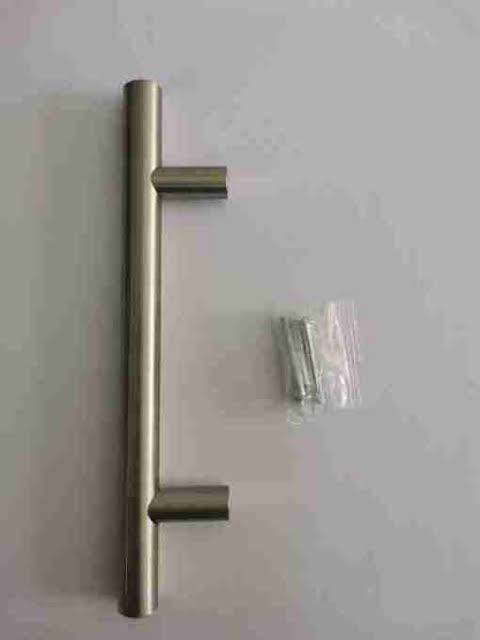
Cabinet Handles
Cabinet Handles: How Do You Choose the Right Handles for Your Furniture?
Direct Answer
The right cabinet handles should match your cabinet size, door or drawer design, mounting-hole spacing, furniture style, material, and daily usage. Common options include bar handles, pull handles, knobs, cup pulls, and modern cabinet handles.
https://jobelservices.co.ke/shop/

Complete Guide to Cabinet Handles
Cabinet handles affect how easily you open and close furniture.
They also influence the overall appearance of kitchens, wardrobes, office cabinets, cupboards, and storage furniture.
When replacing handles, measurements matter as much as appearance.
A handle can look suitable but fail to fit if the mounting-hole spacing does not match the existing cabinet.
Jobel Hardware supplies cabinet handles and furniture hardware for homes, offices, kitchens, wardrobes, workshops, and commercial furniture projects across Kenya.
https://primepathsolutions.co.ke/
What Are Cabinet Handles?
Cabinet handles are fittings attached to cabinet doors and drawers to provide a grip for opening and closing them.
They are available in different:
- Shapes.
- Sizes.
- Materials.
- Finishes.
- Mounting configurations.
- Styles.
The correct handle depends on the furniture and how it will be used.
Types of Cabinet Handles
Bar Handles
Bar handles have a straight grip mounted between two fixing points.
They are commonly used on:
- Kitchen cabinets.
- Wardrobes.
- Office furniture.
- Drawers.
Pull Handles
Pull handles provide a larger gripping area.
They can be useful on larger cabinet doors and drawers.
Cabinet Knobs
Knobs use a single mounting point.
They are compact and can work well on smaller cabinet doors and drawers.
Cup Pulls
Cup pulls have a recessed grip that users pull from underneath.
They can suit traditional and certain contemporary furniture designs.
T-Bar Handles
T-bar handles provide a simple straight grip and can work well with modern furniture.
How Do You Choose Cabinet Handles?
1. Measure the Existing Handle
If you are replacing a handle, measure the distance between the mounting holes.
This is one of the most important measurements.
2. Check the Cabinet Size
Large doors and drawers often benefit from larger handles.
Small cabinets may look and function better with smaller handles.
3. Consider the Handle Type
Choose between:
- Knobs.
- Bar handles.
- Pull handles.
- Cup pulls.
- Other specialised designs.
4. Check the Material
Common handle materials include:
- Stainless steel.
- Aluminium.
- Zinc alloy.
- Brass.
- Other furniture-grade materials.
Choose based on the application and expected usage.
5. Consider the Finish
The finish should suit the furniture and surrounding hardware.
Common finishes include:
- Black.
- Silver.
- Chrome.
- Brushed finishes.
- Brass tones.
What Is Cabinet Handle Hole Spacing?
Cabinet handle hole spacing is the distance between the centres of the mounting holes.
For example, a handle may have two mounting holes separated by a specific distance.
This measurement is often called the centre-to-centre measurement.
When replacing an existing handle, measure from the centre of one hole to the centre of the other.
Do not measure the overall handle length.
How Do You Measure Cabinet Handles?
Follow these steps when replacing existing handles.
Step 1: Remove the Handle
Remove the existing handle if possible.
Step 2: Measure Hole Spacing
Measure from the centre of one mounting hole to the centre of the other.
Step 3: Measure Overall Length
Record the total length of the handle.
Step 4: Check Screw Length
Make sure the supplied or replacement screws are suitable for the cabinet thickness.
Step 5: Check Clearance
Ensure the handle provides enough space for your fingers.
Cabinet Handles for Kitchen Cabinets
Kitchen handles receive frequent use.
Choose handles based on:
- Door size.
- Drawer size.
- Hole spacing.
- Material.
- Finish.
- Grip comfort.
- Cleaning requirements.
For large drawers, longer pull handles can provide a better grip than small knobs.
Cabinet Handles for Wardrobes
Wardrobe doors are generally larger than standard cabinet doors.
Longer handles can provide a practical grip and create a consistent appearance across multiple doors.
Check the door thickness and handle mounting requirements before installation.
Cabinet Handles for Office Furniture
Office cabinets and storage units can use handles that provide easy access while matching the furniture design.
Durability matters when the cabinet receives frequent daily use.
Cabinet Handles for Drawers
Drawer handles should provide enough grip to pull the drawer smoothly.
For wide or heavy drawers, consider a handle with two secure mounting points.
Cabinet Knobs vs Cabinet Handles
| Feature | Cabinet Knobs | Cabinet Handles |
|---|---|---|
| Mounting Points | Usually one | Usually two or more |
| Grip | Compact | Larger |
| Small Doors | Excellent | Good |
| Large Drawers | Moderate | Excellent |
| Installation | Simple | Requires accurate hole spacing |
| Style Options | Many | Many |
How Long Should Cabinet Handles Be?
There is no single correct handle length.
Choose based on the size of the cabinet door or drawer and the desired appearance.
Small cabinets can use compact handles.
Large drawers often benefit from longer handles that provide a more comfortable grip.
For replacements, matching the existing hole spacing is usually more important than matching the overall handle length.
How to Install Cabinet Handles
A typical installation involves:
- Measure and mark the mounting position.
- Confirm hole spacing.
- Check the handle orientation.
- Drill the required holes if installing a new handle.
- Insert the screws.
- Position the handle.
- Tighten the screws.
- Check that the handle is secure.
- Test the cabinet door or drawer.
Measure carefully before drilling.
Incorrect hole placement can permanently affect the furniture panel.
Common Cabinet Handle Problems
Handle Becomes Loose
The mounting screws may have loosened.
Check and tighten them appropriately.
Handle Does Not Fit Existing Holes
The hole spacing may be different.
Measure the centre-to-centre distance before purchasing a replacement.
Handle Cracks or Breaks
The handle may have been damaged or may not be suitable for the application.
Screws Are Too Long
Long screws can protrude through the cabinet panel.
Use screws appropriate for the panel thickness.
Handle Feels Uncomfortable
The grip may be too small, too thin, or positioned incorrectly.
Consider a handle with a larger gripping area.
When Should You Replace Cabinet Handles?
Consider replacing handles when:
- They are broken.
- They become loose repeatedly.
- The finish has deteriorated.
- The grip is uncomfortable.
- You are renovating furniture.
- You want to change the furniture appearance.
- Existing handles no longer match the furniture.
Benefits of Replacing Cabinet Handles
Improved Function
A suitable handle can make doors and drawers easier to operate.
Updated Appearance
New handles can change the appearance of existing furniture.
Affordable Furniture Upgrade
Replacing handles can update furniture without replacing the entire cabinet.
Better Grip
Larger or better-designed handles can improve everyday usability.
Easy Maintenance
Individual handles can be replaced when damaged.
Common Cabinet Handle Installation Mistakes
Avoid:
- Measuring the overall handle instead of hole spacing.
- Drilling before confirming measurements.
- Using the wrong screw length.
- Installing handles unevenly.
- Overtightening screws.
- Ignoring door and drawer size.
- Choosing appearance over compatibility.
How to Maintain Cabinet Handles
- Clean handles regularly.
- Check mounting screws.
- Tighten loose fittings.
- Avoid harsh cleaning products that can damage finishes.
- Replace damaged handles.
Why Buy Cabinet Handles from Jobel Hardware?
Jobel Hardware supplies cabinet handles and furniture hardware for:
- Kitchen cabinets.
- Wardrobes.
- Office furniture.
- Drawers.
- Cupboards.
- Storage units.
- Custom furniture.
- Furniture repair projects.
Before purchasing, confirm the handle type, mounting-hole spacing, overall size, screw requirements, material, finish, and furniture application.
Frequently Asked Questions
What type of cabinet handle is best?
The best handle depends on the cabinet size, furniture design, required grip, mounting configuration, and personal preference.
How do I measure cabinet handle spacing?
Measure from the centre of one mounting hole to the centre of the other. This is the centre-to-centre measurement.
Are cabinet handles universal?
No. Handles come in different sizes and mounting-hole configurations.
Can I replace cabinet knobs with handles?
Yes, but installing a handle usually requires two mounting holes, while a knob typically uses one. New holes may need to be drilled.
What size handle is best for kitchen cabinets?
The appropriate size depends on the cabinet door or drawer dimensions. Larger drawers often benefit from longer handles.
Can cabinet handles be used on wardrobes?
Yes. Choose a handle suitable for the wardrobe door size, thickness, and intended usage.
How do I stop cabinet handles from becoming loose?
Check and tighten the mounting screws periodically. If the screws no longer hold securely, inspect the panel and mounting hardware.
Conclusion
Cabinet handles combine function and furniture design. The right choice depends on cabinet size, handle type, hole spacing, material, finish, screw requirements, and daily usage.
When replacing an existing handle, measure the centre-to-centre hole spacing before purchasing.
Jobel Hardware supplies cabinet handles and furniture hardware for kitchens, wardrobes, offices, homes, workshops, and commercial furniture projects across Kenya.
