

Office Chair Mechanism: How Do You Choose the Right One?
What Is an Office Chair Mechanism?
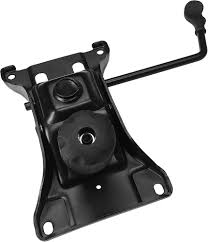
An office chair mechanism is the metal component underneath an office chair that connects the seat to the base and controls functions such as height adjustment, reclining, tilting, and locking.
When an office chair stops reclining properly, will not tilt, or develops excessive movement, the mechanism underneath the seat may be worn or damaged.
Replacing the mechanism can sometimes restore the chair without replacing the entire office chair.
https://jobelservices.co.ke/office-chair-mechanism/
How Does an Office Chair Mechanism Work?
The mechanism sits between the chair seat and the gas lift cylinder.
It connects several important parts of the chair and allows the user to control different movements.
Depending on the design, an office chair mechanism may control:
- Seat height
- Backrest reclining
- Seat tilt
- Tilt tension
- Reclining lock
- Forward or backward movement
- Seat position
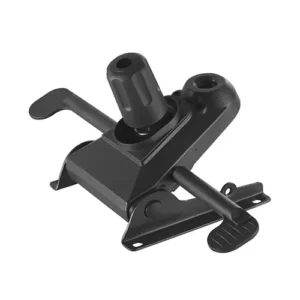
Different office chairs use different mechanisms. This is why choosing a replacement based only on appearance can lead to compatibility problems.
https://primepathsolutions.co.ke/
What Are the Different Types of Office Chair Mechanisms?
Office chair mechanisms come in several designs. The right option depends on the chair and the movement you need.
1. Standard Tilt Mechanism
A standard tilt mechanism allows the chair to tilt backward.
It is common on basic office chairs and provides a simple reclining function.
Some models allow the tilt to be locked, while others allow continuous movement.
2. Lockable Tilt Mechanism
A lockable tilt mechanism allows the user to lock the chair at a selected position.
This can be useful when you want to work in a fixed sitting position but still have the option to recline when needed.
3. Knee-Tilt Mechanism
A knee-tilt mechanism is designed to provide a more controlled reclining movement.
The pivot point is positioned differently from a basic tilt mechanism, which can provide a more comfortable reclining experience.
4. Multi-Function Mechanism
A multi-function mechanism provides several adjustment options.
Depending on the design, it may allow:
- Seat tilt
- Backrest reclining
- Recline locking
- Seat angle adjustment
- Tension adjustment
These mechanisms are often found on higher-quality ergonomic office chairs.
When Should You Replace an Office Chair Mechanism?
You may need to replace your office chair mechanism when the existing component is damaged, worn, or no longer provides reliable adjustment.
Common signs include:
The Chair Tilts Too Much
If the chair suddenly tilts backward without normal resistance, the mechanism may have developed a fault.
The Recline Lock Does Not Work
A damaged mechanism may prevent the backrest from locking into position.
The Chair Feels Loose
Excessive movement between the seat and base can indicate a problem with the mechanism or its mounting bolts.
The Chair Will Not Tilt
If the chair previously reclined but has stopped moving, inspect the mechanism before replacing other components.
The Adjustment Lever Does Not Work
A damaged lever or internal mechanism can prevent the chair from responding when you adjust it.
The Seat Is Not Stable
A worn mechanism can cause unwanted movement while you are sitting or changing position.
How Do You Choose the Right Office Chair Mechanism?
Choosing the right office chair mechanism requires more than checking whether it looks similar to the old one.
Consider these factors before purchasing.
1. Check the Mounting Hole Pattern
The mounting holes must match the holes underneath your chair seat.
Measure the distance between the holes and compare it with the replacement mechanism.
This is one of the most important compatibility checks.
2. Check the Chair Type
Identify the type of office chair you have.
A basic office chair may use a simple tilt mechanism, while an ergonomic or executive chair may require a more advanced mechanism.
3. Check the Available Functions
Think about the functions you need.
If you only need basic tilting, a simple mechanism may be sufficient.
If you need multiple adjustments, look for a multi-function mechanism that supports the required movements.
4. Check the Gas Lift Connection
The mechanism connects to the gas lift cylinder.
The connection must be compatible with your existing cylinder and chair base.
5. Consider the User’s Weight
Choose a mechanism designed to support the expected load.
A mechanism that is unsuitable for the chair’s regular use may wear out faster or create safety problems.
6. Compare the Old and New Mechanisms
If possible, inspect the old mechanism before purchasing a replacement.
Compare:
- Mounting holes
- Overall dimensions
- Lever position
- Gas lift connection
- Tilt function
- Adjustment functions
- Mounting plate shape
Taking clear photographs can also help when asking a supplier to identify a replacement.
How Do You Measure an Office Chair Mechanism?
Correct measurements can make it easier to identify a compatible replacement.
Start by measuring the mounting plate underneath the chair.
Record:
- Length of the mounting plate
- Width of the mounting plate
- Distance between mounting holes
- Hole arrangement
- Gas lift connection
- Position of the adjustment lever
Do not rely only on the overall size.
Two mechanisms can look similar but have different mounting-hole patterns or connection points.
How Do You Replace an Office Chair Mechanism Safely?
An office chair mechanism can often be replaced with basic tools, but safety should come first.
Before starting, place the chair on a stable surface and make sure there is enough working space.
Step 1: Turn the Chair Over Carefully
Place the chair in a stable position so you can access the mechanism underneath the seat.
Safety warning: Office chairs can be heavy and awkward to handle. Ask for assistance when lifting or turning a large chair. Keep your fingers away from pinch points between the seat, mechanism, and base.
Step 2: Remove the Seat Mounting Bolts
Use the correct tool to loosen and remove the bolts holding the mechanism to the seat.
Keep the bolts together so you can identify which hardware belongs to the chair.
Safety warning: Support the seat while removing the final bolts. Do not allow the seat to fall suddenly, as it can cause injury or damage nearby components.
Step 3: Remove the Old Mechanism
Once the mounting bolts are removed, separate the mechanism from the chair seat.
You may then need to separate it from the gas lift.
Safety warning: Do not cut, drill, crush, heat, or attempt to open the gas lift cylinder. Gas lift cylinders are pressurized components. If the cylinder is stuck inside the mechanism, use an appropriate removal method or have a qualified technician handle it.
Step 4: Compare the Replacement
Place the replacement mechanism next to the old one and check the mounting holes, dimensions, lever position, and gas lift connection.
Safety warning: Do not force a mechanism into place if the holes or connections do not match. An incorrect fit can make the chair unstable.
Step 5: Install the Replacement Mechanism
Position the new mechanism correctly and reinstall the mounting bolts.
Tighten the bolts securely according to the component manufacturer’s instructions.
Safety warning: Make sure every mounting bolt is properly seated before using the chair. Do not use damaged, missing, or unsuitable bolts.
Step 6: Reassemble and Test the Chair
Reconnect the seat and make sure the mechanism is securely attached.
Place the chair upright and test the height, tilt, recline, and locking functions gradually.
Safety warning: Do not immediately put your full body weight on a newly installed mechanism. First check for loose bolts, unusual movement, cracking sounds, or unexpected tilting. Stop using the chair if anything feels unstable.
Important Safety Note
If you are not confident removing the mechanism, especially when the gas lift is tightly fitted, consider getting professional assistance.
Never dismantle or modify a pressurized gas lift cylinder. The mechanism and gas lift should also be checked for compatibility before installation.
Office Chair Mechanism vs Hydraulic Cylinder
The mechanism and hydraulic cylinder perform different functions.
The office chair mechanism controls functions such as tilting, reclining, and locking.
The hydraulic cylinder, also called a gas lift, controls the height of the chair.
This means replacing the hydraulic cylinder will not necessarily fix a reclining or tilting problem.
Likewise, replacing the mechanism will not solve every height-adjustment problem.
Identifying the faulty component before buying a replacement can save you money.
Common Office Chair Mechanism Problems
Several problems can develop as an office chair gets older.
Chair Keeps Reclining
If the chair will not remain in the locked position, the locking mechanism may be damaged or worn.
Chair Does Not Recline
Check the adjustment lever and mechanism before assuming the entire chair needs replacement.
Chair Rocks From Side to Side
Loose mounting bolts can sometimes cause movement. If tightening the bolts does not solve the problem, the mechanism may need inspection.
Lever Feels Loose
A loose or damaged lever may not properly engage the internal mechanism.
Tilt Tension Is Too Hard or Too Easy
Some mechanisms have a tension adjustment.
If the chair reclines too easily or requires too much force, check whether the tension can be adjusted.
How Can You Maintain an Office Chair Mechanism?
Good maintenance can extend the useful life of your chair.
Keep the Mechanism Clean
Remove dust and debris from around the mechanism.
Check the Bolts
Inspect the mounting bolts regularly and tighten them if they become loose.
Do not overtighten them because this can damage components.
Avoid Excessive Force
Do not force the chair backward beyond its intended movement.
Excessive force can damage the mechanism.
Inspect the Chair Regularly
Pay attention to unusual sounds, loose movement, or changes in reclining behavior.
Finding problems early can prevent further damage.
Should You Replace the Mechanism or the Entire Chair?
Replacing the mechanism can make sense when the rest of the chair is still in good condition.
For example, if the:
- Seat is comfortable
- Backrest is still strong
- Base is intact
- Wheels work properly
- Upholstery is in good condition
then replacing a faulty mechanism may be more practical than purchasing a new chair.
However, if several major components are damaged, replacing the entire chair may be more economical.
Where Can You Buy an Office Chair Mechanism in Kenya?
If you need an office chair mechanism in Kenya, start by identifying the mechanism currently installed on your chair.
Take measurements or photographs before contacting a supplier. This makes it easier to determine whether a replacement is compatible.
Looking for an office chair mechanism in Nairobi? Contact Jobel Services and ask about available office chair replacement components.
You can also visit the Jobel Services shop in Gikomba, Beaver House, opposite NCBA Bank, Nairobi, with photographs, measurements, or the old mechanism if possible.
Get the Right Replacement for Your Office Chair
Do not buy a mechanism simply because it looks similar to your existing one.
Contact Jobel Services before purchasing and provide the chair model, measurements, photographs, or details of the faulty mechanism. This can help you identify a suitable replacement and avoid buying an incompatible part.
Need an office chair mechanism in Kenya? Visit Jobel Services in Gikomba, Nairobi, or contact the team to help you find a suitable replacement for your office chair.
Frequently Asked Questions
What is an office chair mechanism?
An office chair mechanism is the component installed underneath the seat that connects the seat to the gas lift and controls functions such as tilting, reclining, and locking.
How do I know if my office chair mechanism is faulty?
Common signs include excessive movement, failure to recline, failure to lock, unusual tilting, or an adjustment lever that no longer works correctly.
Can an office chair mechanism be replaced?
Yes. Many office chair mechanisms can be replaced when the chair seat, base, gas lift, and other components are still in good condition.
Is an office chair mechanism the same as a hydraulic cylinder?
No. The mechanism controls functions such as tilting and reclining, while the hydraulic cylinder controls the chair’s height.
How do I choose an office chair mechanism?
Check the mounting-hole pattern, dimensions, gas lift connection, chair type, adjustment functions, and required load capacity before purchasing.
Can I use any mechanism on my office chair?
No. Office chair mechanisms are not universally compatible. The mounting holes, dimensions, connections, and functions need to match your chair.
Is it cheaper to replace an office chair mechanism?
It can be. If the rest of the chair is in good condition, replacing a faulty mechanism can be more economical than replacing the entire chair.
Is it safe to remove an office chair gas lift?
Use caution. Gas lift cylinders are pressurized and should not be cut, drilled, crushed, heated, or opened. If the cylinder is difficult to remove, seek appropriate professional assistance.
Conclusion
An office chair mechanism controls important functions such as reclining, tilting, locking, and seat movement. When these functions stop working properly, the mechanism may be responsible.
Before purchasing a replacement, check the mounting-hole pattern, dimensions, gas lift connection, adjustment functions, and chair type.
If you are replacing the mechanism yourself, work carefully and follow the correct installation procedure. Never dismantle, puncture, heat, or modify a pressurized gas lift cylinder.
If you are in Nairobi or elsewhere in Kenya, contact Jobel Services for office chair mechanisms and replacement components. Visit the shop in Gikomba, Beaver House, opposite NCBA Bank, or contact the team before purchasing to help identify a suitable replacement.
Replacing the correct mechanism can restore the functionality of an otherwise good office chair and help you avoid replacing the entire chair unnecessarily.
