


Office Chair Lumbar Support: How Do You Choose the Right One?
What Is Office Chair Lumbar Support?
An office chair lumbar support is a support system designed to support the lower back while sitting and help maintain a comfortable sitting position.
Lumbar support is usually positioned on the lower section of an office chair backrest. Depending on the chair, it may be built into the backrest or attached as a separate adjustable component.
A good office chair lumbar support can improve sitting comfort, provide additional lower-back support, and make an office chair more suitable for long periods of use.
If the existing lumbar support is broken, uncomfortable, worn, or no longer adjustable, replacing it may be a practical alternative to replacing the entire chair.
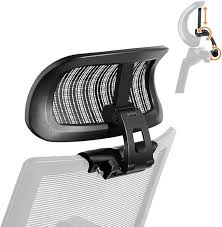
https://jobelservices.co.ke/office-chair-spare-parts-kenya-2/
What Does Office Chair Lumbar Support Do?
The main purpose of lumbar support is to provide support around the lower-back area while sitting.
A properly positioned support can help:
- Support the lower back
- Improve sitting comfort
- Maintain a more natural sitting position
- Reduce pressure caused by poor chair positioning
- Provide adjustable support where available
- Improve the overall usability of an office chair
However, lumbar support should not be treated as a substitute for a properly adjusted chair or good sitting habits.
The support should feel comfortable rather than forcing the lower back into an unnatural position.

https://primepathsolutions.co.ke/
Types of Office Chair Lumbar Support
Office chairs use different lumbar support designs. Understanding the differences can help you choose a suitable replacement.
Fixed Lumbar Support
Fixed lumbar support is built into the backrest and does not normally move independently.
It is common on:
- Basic office chairs
- Visitor chairs with ergonomic features
- Mesh office chairs
- Executive office chairs
If fixed support becomes damaged, the complete backrest may sometimes need replacement.
Adjustable Lumbar Support
Adjustable lumbar support allows the user to change its position or pressure.
Depending on the chair design, adjustment may include:
- Up and down movement
- Forward and backward adjustment
- Support tension adjustment
- Height adjustment
Adjustable support is useful when different users share the same chair.
Mesh Lumbar Support
Mesh chairs may use a flexible mesh section to provide lower-back support.
The mesh can be:
- Integrated into the backrest
- Supported by a separate frame
- Combined with an adjustable lumbar pad
If the mesh becomes loose or damaged, inspect the backrest and lumbar support assembly before purchasing replacement parts.
Padded Lumbar Support
Padded lumbar supports use foam or another cushioning material.
They may be covered with:
- Fabric
- Mesh
- Faux leather
- Leather
- Other upholstery materials
Padded supports can provide a softer feel and are commonly found on executive and ergonomic office chairs.
External Lumbar Support
An external lumbar support is an additional cushion or support that can be attached to an existing chair.
These supports can be useful when the original chair does not provide enough lower-back support.
Before attaching one, check that it can be secured properly without interfering with the chair’s movement or adjustment mechanisms.
When Should You Replace an Office Chair Lumbar Support?
You may need to replace your office chair lumbar support when it becomes damaged or no longer provides the support it was designed to provide.
Common signs include:
- Cracked support frame
- Broken adjustment mechanism
- Torn mesh
- Flattened or damaged padding
- Loose mounting points
- Support that moves unexpectedly
- Damaged straps or brackets
- Uncomfortable pressure against the lower back
- Missing lumbar support component
A loose support should not simply be ignored. Continued movement can place additional strain on the mounting points and backrest.
How Do You Choose the Right Office Chair Lumbar Support?
Choosing a replacement based only on appearance can lead to compatibility problems.
Before buying an office chair lumbar support, consider the following factors.
1. Check Chair Compatibility
First identify the office chair model and backrest design.
Some lumbar supports are designed for specific chair models, while others use standard mounting systems.
Check how the existing support connects to the backrest.
2. Measure the Existing Support
Take measurements before purchasing a replacement.
Useful measurements include:
- Support width
- Support height
- Support thickness
- Mounting-hole spacing
- Bracket dimensions
- Strap length
- Distance between mounting points
Accurate measurements make it easier to find a suitable replacement.
3. Check the Mounting Method
Lumbar supports can use different attachment methods.
For example, the support may use:
- Screws
- Brackets
- Straps
- Clips
- Sliding rails
- Integrated mounting points
The replacement should use a compatible mounting system.
4. Consider Adjustability
If the original chair has adjustable lumbar support, consider replacing it with a component that provides similar adjustment.
Check whether you need:
- Height adjustment
- Depth adjustment
- Tension adjustment
- Fixed support
Do not assume that an adjustable component will fit simply because it has similar dimensions.
5. Check the Material
Choose a material suitable for the chair and its intended use.
Common materials include:
- Plastic
- Steel
- Mesh
- Foam
- Fabric
- Faux leather
For frequently used office chairs, the support should be strong enough to withstand regular movement and adjustment.
6. Consider the Chair Backrest
The lumbar support must work with the existing backrest.
Check:
- Backrest width
- Backrest frame
- Mesh construction
- Mounting points
- Available space
- Existing adjustment mechanism
This is especially important when replacing a component on a mesh office chair.
How Do You Measure an Office Chair Lumbar Support?
Before ordering a replacement, measure the existing component carefully.
Follow these steps:
- Remove or inspect the existing lumbar support if it can be safely removed.
- Measure the overall width.
- Measure the overall height.
- Measure the thickness.
- Measure the distance between mounting holes.
- Measure the bracket or mounting points.
- Check the diameter of screw holes where applicable.
- Measure strap length if the support uses straps.
- Note the position of adjustment controls.
- Take clear photographs of the front and rear of the support.
- Photograph how the support connects to the backrest.
Keep the measurements together with the photographs when contacting a supplier.
Can You Replace an Office Chair Lumbar Support Yourself?
Some lumbar supports are relatively simple to replace, especially when they use accessible screws, straps, or brackets.
A general replacement process may involve:
- Turn the chair upside down or position it safely.
- Inspect how the lumbar support is attached.
- Remove the existing support if necessary.
- Keep the screws and small fittings together.
- Compare the old and replacement components.
- Check the mounting-hole positions.
- Position the replacement correctly.
- Install the fixing screws or brackets.
- Tighten the fittings securely without over tightening.
- Test the support adjustment.
- Sit in the chair and check its position.
Do not force a component into place if the mounting holes do not align.
If the replacement does not fit correctly, check the measurements and mounting system before making modifications.
Can You Add Lumbar Support to an Office Chair?
Yes, an additional lumbar support can sometimes be added to an office chair.
However, compatibility should be checked first.
The support should:
- Fit the chair’s backrest
- Remain securely attached
- Not interfere with reclining
- Not damage the backrest
- Provide comfortable positioning
Avoid drilling into a chair frame or modifying structural components unless you understand the construction and can do so safely.
For a chair with a damaged integrated lumbar system, replacing the appropriate component or backrest may be a better solution.
Common Office Chair Lumbar Support Problems
Lumbar Support Keeps Moving
A loose mounting point, damaged bracket, or worn adjustment mechanism may cause the support to move unexpectedly.
Inspect the mounting points and fixing hardware.
Lumbar Support Is Too Hard
If the support feels uncomfortable, check whether it has a tension or depth adjustment.
A replacement with a different shape or padding may also provide a better fit.
Lumbar Support Is Too Soft
A worn foam cushion may lose its original shape.
Replacing the cushion or the complete lumbar support can restore the intended level of support.
Lumbar Support Will Not Adjust
The adjustment mechanism may be damaged or obstructed.
Check for broken controls, loose fittings, or damaged rails.
Mesh Lumbar Support Is Torn
Torn mesh may no longer provide consistent support.
Depending on the chair design, you may need to replace the mesh section, lumbar support, or complete backrest.
How Do You Maintain Office Chair Lumbar Support?
Regular maintenance can help extend the life of your chair component.
Clean the Support
Remove dust and dirt regularly using a suitable cleaning method for the material.
Avoid soaking components that contain metal adjustment mechanisms.
Check Mounting Points
Inspect screws, brackets, straps, and clips periodically.
Tighten loose fittings where appropriate.
Avoid Excessive Force
Do not force the lumbar adjustment mechanism beyond its normal range.
Inspect for Damage
Look for:
- Cracks
- Loose fittings
- Torn mesh
- Damaged padding
- Corrosion
- Broken adjustment parts
Early inspection can prevent a small problem from affecting the entire backrest.
Can an Office Chair Lumbar Support Be Repaired?
Some problems can be repaired, while others require replacement.
A loose screw or mounting point may be easy to correct.
However, replacement may be more appropriate when the support has:
- A cracked structural component
- A broken adjustment mechanism
- Severely damaged mesh
- Permanently flattened padding
- Broken mounting brackets
The correct solution depends on the design of the chair and availability of replacement components.
Office Chair Lumbar Support vs Backrest
An office chair lumbar support is designed specifically to support the lower-back area.
The office chair backrest is the larger component that supports the user’s back from the lower to upper back.
Some chairs have a separate lumbar support attached to the backrest, while others integrate lumbar support directly into the backrest.
Before purchasing a replacement, determine whether you need:
- The lumbar support only
- A lumbar support adjustment component
- A mounting bracket
- The complete backrest
This can help prevent purchasing the wrong replacement part.
Should You Replace the Lumbar Support or the Entire Office Chair?
Replacing the lumbar support can make sense when the rest of the chair remains in good condition.
Consider replacing only the component if:
- The chair frame is still strong
- The seat cushion is in good condition
- The mechanism works properly
- The base is not damaged
- The wheels are functional
- The backrest is otherwise in good condition
Replacing the complete chair may make more sense when several major components are damaged or when suitable replacement parts are unavailable.
Repairing individual components can be a practical way to extend the useful life of an office chair.
Where Can You Buy an Office Chair Lumbar Support in Kenya?
If you need an office chair lumbar support in Kenya, first identify your chair model and check how the existing lumbar support connects to the backrest.
Take clear photographs and measurements before purchasing.
Buy an Office Chair Lumbar Support in Nairobi
Looking for an office chair lumbar support in Nairobi? Contact Jobel Services and ask about available office chair components, replacement lumbar supports, and repair solutions.
You can also visit Jobel Services at Gikomba, Beaver House, opposite NCBA Bank, Nairobi, with photographs, measurements, or the existing component where possible.
Get the Right Office Chair Lumbar Support
Do not purchase a replacement based only on its appearance.
Send Jobel Services clear photographs of your existing lumbar support and backrest, together with its measurements, mounting points, chair details, and photographs of the connection points before purchasing.
This can help determine whether the replacement is suitable for your chair.
Whether you need one lumbar support for a home office chair, several replacement components for an office, or parts for a larger office furniture repair project, identifying the correct component before purchasing can save time and unnecessary expense.
Need an office chair lumbar support in Kenya? Contact Jobel Services today or visit the shop in Gikomba, Beaver House, opposite NCBA Bank, Nairobi, and ask about suitable office chair lumbar supports and replacement components.
Frequently Asked Questions
What is the purpose of office chair lumbar support?
Office chair lumbar support provides additional support around the lower-back area and can improve sitting comfort when properly positioned.
Can I replace the lumbar support on my office chair?
Yes, some office chairs allow the lumbar support to be replaced separately. Compatibility depends on how the support attaches to the backrest.
Are office chair lumbar supports universal?
No. Lumbar supports differ in dimensions, mounting systems, materials, and adjustment mechanisms. Always check compatibility before buying.
How do I know what size lumbar support I need?
Measure the existing support, including its width, height, thickness, mounting-hole spacing, bracket dimensions, and other connection points.
Can I add lumbar support to a chair that does not have one?
In some cases, yes. However, the additional support must be securely attached and should not interfere with the chair’s backrest or adjustment mechanisms.
What causes lumbar support to become loose?
Loose screws, worn brackets, damaged mounting points, or a failed adjustment mechanism can cause lumbar support to move.
Is lumbar support better than replacing the whole chair?
If the rest of the chair is in good condition, replacing a damaged lumbar support can be more economical than replacing the entire chair.
Can lumbar support be repaired?
Some minor issues can be repaired, such as loose fittings. Severely damaged structural components, adjustment mechanisms, mesh, or padding may require replacement.
Conclusion
An office chair lumbar support provides important lower-back support and can improve the comfort and usability of an office chair.
When choosing a replacement, check the chair model, backrest design, dimensions, mounting system, adjustment features, material, and compatibility.
Do not buy a lumbar support simply because it looks similar to the original. Clear photographs and accurate measurements can help identify a suitable replacement.
If you are in Nairobi or elsewhere in Kenya, contact Jobel Services for office chair lumbar supports and replacement components. Visit the shop in Gikomba, Beaver House, opposite NCBA Bank, Nairobi, with photographs or measurements of your existing component.
Choosing the correct office chair lumbar support can restore lower-back support, improve sitting comfort, and extend the useful life of an otherwise serviceable office chair.
