

Office Chair Tilt Lock: How To Choose the Right Replacement?
What Is an Office Chair Tilt Lock?
An office chair tilt lock is a control that locks or releases the reclining movement of an office chair, allowing the user to keep the chair upright or let it tilt backward.
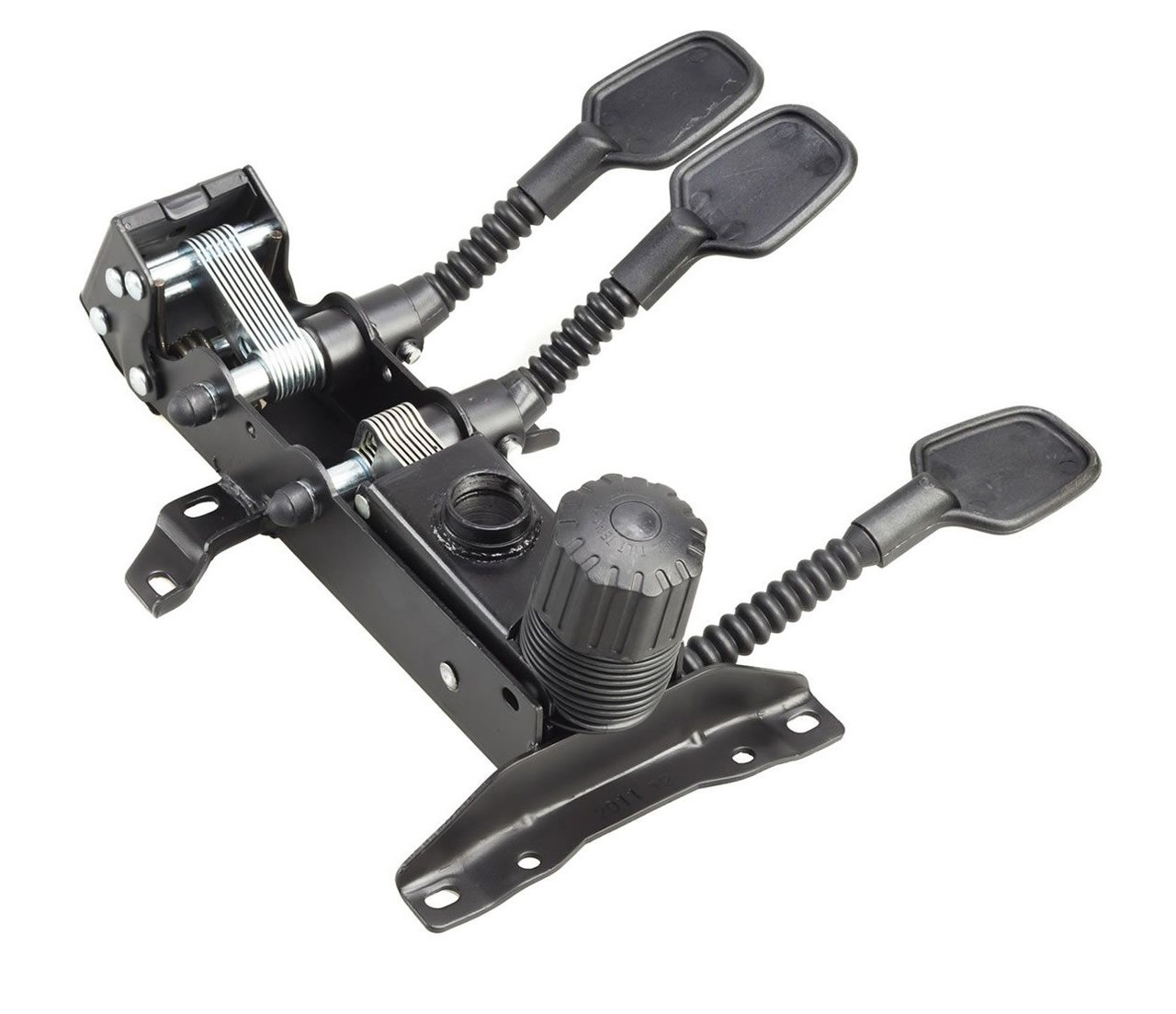
The tilt lock is normally connected to the chair mechanism underneath the seat. Depending on the design, it may be operated using a lever, handle, button, or another control.
When the tilt lock is engaged, the chair may remain in an upright position. When it is released, the chair can usually tilt backward.
If the control becomes damaged or stops working, the problem may involve the lock itself, the control lever, or the internal chair mechanism.

https://jobelservices.co.ke/office-chair-seat-plate-vs-office-chair-mechanism/
What Does an Office Chair Tilt Lock Do?
The main purpose of an office chair tilt lock is to control whether the chair can recline.
Depending on the chair mechanism, the tilt lock can:
- Lock the chair in an upright position
- Release the reclining function
- Control one or more tilt positions
- Improve control when changing sitting positions
- Prevent unwanted reclining
Some office chairs have a single lock position, while others allow the chair to lock at several angles.
The exact function depends on the mechanism installed underneath the seat.
https://primepathsolutions.co.ke/
Where Is the Office Chair Tilt Lock Located?
The tilt lock is usually located underneath the chair seat.
It may appear as:
- A lever
- A horizontal handle
- A vertical handle
- A push button
- An integrated mechanism control
Many office chairs place the tilt lock beside the height adjustment lever.
Because chair mechanisms vary, the position and shape of the control can differ significantly between models.
Types of Office Chair Tilt Locks
Different chair mechanisms use different locking systems.
Single-Position Tilt Lock
This type locks the chair in one main position, usually the upright position.
It is common on basic office chairs.
Multi-Position Tilt Lock
A multi-position system allows the chair to lock at different reclining angles.
It is commonly found on ergonomic and executive office chairs.
Lever-Operated Tilt Lock
This system uses a lever connected to the mechanism.
Moving the lever engages or releases the tilt function.
Integrated Tilt Lock
Some modern chair mechanisms combine the tilt lock with other functions such as:
- Seat height adjustment
- Tilt tension adjustment
- Reclining control
- Seat sliding
In these chairs, the lock may not be available as an individual replacement part.
Signs Your Office Chair Tilt Lock Needs Replacement
A faulty tilt lock can affect the way the chair reclines.
Common signs include:
- The chair will not lock upright
- The chair remains locked when it should tilt
- The control lever feels loose
- The lever is difficult to move
- The chair suddenly unlocks
- The chair will not stay in the selected position
- The control handle is cracked
- The mechanism makes unusual noises
- The chair tilts even when the lock is engaged
A problem with the tilt lock should not be ignored because unexpected chair movement can affect stability and comfort.
Why Does an Office Chair Tilt Lock Stop Working?
Several problems can cause a tilt lock to fail.
Damaged Control Lever
The external lever may crack or bend, preventing it from operating the mechanism correctly.
Worn Internal Components
The locking parts inside the mechanism can wear over time, especially on heavily used chairs.
Loose Connection
The control may become loose where it connects to the mechanism.
Damaged Mechanism
If the mechanism itself has failed, replacing the external lever may not restore the locking function.
Corrosion
Moisture and prolonged exposure to unsuitable conditions can contribute to corrosion of metal components.
How Do You Choose the Right Office Chair Tilt Lock?
Choosing the correct replacement requires more than matching the shape of the old control.
Consider the following factors.
1. Identify the Chair Mechanism
Look underneath the chair and identify the mechanism.
Check for:
- Manufacturer markings
- Model numbers
- Mechanism shape
- Number of control levers
- Position of the tilt lock
- Position of the tension control
The mechanism is often more important than the appearance of the external lever.
2. Check the Mounting Method
The tilt lock control may connect to the mechanism using a particular fitting.
Check whether it uses:
- A bolt
- A screw
- A pin
- A shaped shaft
- A sliding connection
- An integrated mounting point
The replacement must match the connection.
3. Measure the Existing Control
Useful measurements may include:
- Overall lever length
- Handle size
- Shaft diameter
- Mounting-hole diameter
- Mounting-hole spacing
- Shaft length
- Distance from the mechanism to the handle
Take photographs from several angles as well.
4. Check the Mechanism Functions
Before ordering, determine what the existing control does.
It may operate:
- Tilt lock
- Tilt release
- Height adjustment
- Seat slider
- Other chair functions
This prevents you from ordering the wrong control.
5. Check the Chair Model
If the chair has a model number or manufacturer’s label, record it.
Providing the chair model together with photographs can make identification easier.
How Do You Measure an Office Chair Tilt Lock?
If you need to replace an office chair tilt lock, take measurements before purchasing.
Follow these steps:
- Locate the tilt control underneath the seat.
- Measure the overall lever length.
- Measure the handle width and height.
- Measure the shaft or mounting section.
- Check the shaft diameter.
- Measure mounting-hole spacing where applicable.
- Check the position of the control relative to the mechanism.
- Photograph the control from the front and side.
- Photograph the complete mechanism underneath the chair.
- Record the chair model if available.
If the control is missing, photograph the remaining mounting point and mechanism.
Can You Replace an Office Chair Tilt Lock Yourself?
A simple external control may be replaceable if the mechanism and mounting points are accessible.
A general process is:
- Place the chair in a stable position.
- Identify the tilt-lock control.
- Inspect how it connects to the mechanism.
- Remove the damaged control if appropriate.
- Compare the replacement with the old component.
- Check the mounting connection.
- Install the replacement.
- Tighten the fixing hardware securely.
- Operate the control without placing excessive force on it.
- Test the locking and reclining functions gradually.
If the internal mechanism is damaged, replacing the external control may not solve the problem.
For heavily loaded or damaged chairs, professional inspection is recommended.
How Do You Know If the Tilt Lock or Mechanism Is Faulty?
This is an important distinction.
If the external lever is cracked, loose, or broken but the mechanism still responds correctly, the control may be the problem.
If the lever moves normally but the chair still refuses to lock or release, the internal mechanism may be faulty.
The Tilt Lock May Be Faulty If:
- The handle is broken
- The lever has become detached
- The mounting connection is damaged
- The control does not engage the mechanism
The Mechanism May Be Faulty If:
- The lever moves but nothing happens
- The chair cannot lock in any position
- The chair unlocks unexpectedly
- Internal components appear damaged
- Multiple mechanism functions have stopped working
Correctly identifying the failed component can prevent unnecessary replacement costs.
Office Chair Tilt Lock vs Tilt Tension Knob
These controls perform different functions.
The office chair tilt lock controls whether the chair can tilt or remain locked.
The office chair tilt tension knob controls how much resistance is required when reclining.
For example:
- Tilt lock: controls the locking function
- Tilt tension: controls reclining resistance
Many office chairs have both controls.
Understanding the difference is important when purchasing replacement parts.
Office Chair Tilt Lock vs Office Chair Mechanism
The office chair tilt lock is the control that operates the locking function.
The office chair mechanism is the complete assembly underneath the seat that manages functions such as:
- Tilting
- Reclining
- Locking
- Tension adjustment
- Seat movement on some models
Some chairs allow the external control to be replaced separately.
Other designs require replacement of the complete mechanism.
Before purchasing, identify whether the problem is with the control or the mechanism itself.
Can You Replace Only the Office Chair Tilt Lock?
Yes, in some chair designs.
Replacing only the tilt lock can make sense when:
- The external lever is broken
- The control handle is damaged
- The mounting connection has failed
- The internal mechanism still operates correctly
A complete mechanism replacement may be necessary when the locking components inside the mechanism have failed.
Common Office Chair Tilt Lock Problems
The Chair Will Not Lock
The control may not be engaging the locking mechanism correctly.
Check the lever and its connection.
The Chair Will Not Recline
The tilt lock may still be engaged.
Move the control according to the chair’s normal operating direction.
If the chair remains locked, the mechanism may require inspection.
The Chair Unlocks Unexpectedly
This can indicate a worn or damaged locking mechanism.
Avoid continuing to use the chair until the problem is checked.
The Lever Is Loose
A loose fixing point may need tightening.
If the mounting component is damaged, replacement may be required.
The Lever Is Broken
If the mechanism still functions, the external control may be replaceable.
How Do You Maintain an Office Chair Tilt Lock?
Regular inspection can help extend the life of the chair mechanism.
Keep the Mechanism Clean
Remove dust and debris from underneath the seat.
Avoid Excessive Force
Operate the lock using normal pressure.
Do not force the lever when the chair is not responding.
Inspect the Control
Look for:
- Cracks
- Bending
- Loose fittings
- Corrosion
- Worn connections
Check Other Mechanism Controls
Since the tilt lock is part of the chair mechanism, inspect the other controls at the same time.
Early identification of problems can help prevent more extensive damage.
Should You Replace the Tilt Lock or the Entire Chair Mechanism?
If only the external tilt control is damaged, replacing that component may be enough.
Consider replacing the complete mechanism when:
- Internal locking components are damaged
- The tilt function has failed
- Multiple controls have stopped working
- The mechanism is severely corroded
- The chair no longer operates safely
If the seat, backrest, base, wheels, and other major parts remain in good condition, repairing or replacing the mechanism may be more practical than replacing the entire chair.
Where Can You Buy an Office Chair Tilt Lock in Kenya?
If you need an office chair tilt lock in Kenya, first identify the chair mechanism and determine whether you need the external locking control or the complete mechanism.
Take clear photographs and measurements before purchasing.
Buy an Office Chair Tilt Lock in Nairobi
Looking for an office chair tilt lock in Nairobi? Contact Jobel Services and ask about available office chair components, replacement controls, and repair solutions.
You can also visit Jobel Services at Gikomba, Beaver House, opposite NCBA Bank, Nairobi, with the old component, photographs, or measurements where possible.
Get the Right Office Chair Tilt Lock
Do not purchase a replacement simply because it looks similar to your existing control.
Send Jobel Services clear photographs of the existing tilt control and the mechanism underneath the chair, together with measurements, chair details, and photographs of the connection points before purchasing.
This can help determine whether you need a replacement tilt lock control or a complete chair mechanism.
Whether you need one replacement tilt lock for a home office chair, several components for an office, or parts for a larger office furniture repair project, identifying the correct component before purchasing can save time and unnecessary expense.
Need an office chair tilt lock in Kenya? Contact Jobel Services today or visit the shop in Gikomba, Beaver House, opposite NCBA Bank, Nairobi, and ask about suitable office chair tilt locks and replacement components.
Frequently Asked Questions
What is an office chair tilt lock?
An office chair tilt lock controls whether the chair can recline or remain locked in a particular position.
Are office chair tilt locks universal?
No. Tilt locks differ depending on the chair mechanism, mounting system, control design, and functions.
Can I replace only the tilt lock?
In some chairs, yes. If the external control is separately replaceable and the internal mechanism still works, only the control may need replacement.
Why won’t my office chair lock upright?
The control may be damaged, disconnected, or the internal locking mechanism may have failed.
Why won’t my office chair recline?
The tilt lock may still be engaged, or there may be a problem with the chair mechanism.
What is the difference between tilt lock and tilt tension?
Tilt lock controls whether the chair can tilt. Tilt tension controls how much resistance the user feels when reclining.
How do I find the correct replacement tilt lock?
Identify the chair mechanism, measure the control and mounting points, and take clear photographs before purchasing.
Can a broken tilt lock be repaired?
Some loose connections can be corrected, but a cracked control or damaged internal locking mechanism may need replacement.
Should I replace the tilt lock or the entire mechanism?
If only the external control is damaged, replacing it may be sufficient. If the internal locking system has failed, the complete mechanism may need replacement.
Conclusion
An office chair tilt lock controls the reclining function of an office chair and allows the user to lock or release the chair’s tilt movement.
When choosing a replacement, check the chair mechanism, control design, mounting method, shaft dimensions, chair model, and mechanism functions.
Do not assume that every office chair tilt lock is interchangeable. A control that looks similar may use a different mounting system or operate a different mechanism.
If you are in Nairobi or elsewhere in Kenya, contact Jobel Services for office chair tilt locks and replacement components. Visit the shop in Gikomba, Beaver House, opposite NCBA Bank, Nairobi, with photographs or measurements of your existing component.
Choosing the correct office chair tilt lock can restore the chair’s locking function and extend the useful life of an otherwise serviceable office chair.
