


Office Meeting Room Chairs: How Do You Choose the Right Ones?
Where Can You Buy Office Meeting Room Chairs in Kenya?
Office meeting room chairs help businesses create comfortable, organised spaces for discussions, interviews, presentations, and team collaboration. If you are looking for office meeting room chairs in Kenya, Jobel Services can help you explore suitable office furniture options for your workplace.
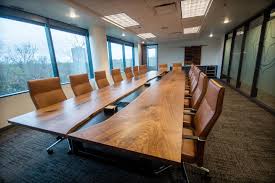
The right chairs should support comfortable seating, fit your meeting room layout, and withstand regular use. They should also complement your meeting tables and provide enough space for people to sit down and move around easily.
Whether you are furnishing a corporate boardroom, a small meeting room, a training centre, or a shared office, choosing suitable chairs can improve the experience for employees, clients, and visitors.
Before purchasing, consider the number of users, expected meeting duration, chair dimensions, materials, mobility, maintenance, and budget. These factors will help you choose seating that suits your business needs.
https://jobelservices.co.ke/shop/page/7/
Why Are Good Meeting Room Chairs Important?
Meeting rooms support important workplace activities. People use them to make decisions, discuss projects, meet clients, interview candidates, and train employees.
Suitable chairs can make these activities more comfortable and help the room function effectively.
1. Improve Seating Comfort
Meetings may last from a few minutes to several hours. Chairs with suitable seat dimensions, back support, and cushioning can help users remain comfortable throughout a session.
If your team frequently holds long meetings, prioritise supportive seating over appearance alone.
2. Create a Professional Environment
Meeting room furniture contributes to the overall appearance of your business premises.
Well-coordinated chairs and tables can make a room feel organised and professional. This is particularly important when hosting clients, suppliers, partners, and job applicants.
3. Support Productive Discussions
Comfortable seating can help participants focus on the discussion rather than distractions caused by unsuitable furniture.
Choose chairs that allow people to sit naturally, maintain a comfortable posture, and participate in meetings without unnecessary discomfort.
4. Make Better Use of Meeting Room Space
The dimensions and design of your chairs determine how many people can sit comfortably around a table.
Compact chairs may suit smaller rooms, while larger padded chairs may require more space. Measure your room before deciding how many seats to purchase.
5. Support Different Workplace Activities
Some rooms serve several purposes. A meeting room may also be used for interviews, training, presentations, or informal discussions.
Selecting versatile chairs can help you accommodate different activities without needing separate furniture for every purpose.

https://www.jobelgeneralhardware.com/shop
What Types of Office Meeting Room Chairs Can You Choose From?
Meeting room chairs come in different designs, materials, and configurations. The right option depends on your room layout, furniture style, and how frequently people use the space.
Fixed-Leg Meeting Room Chairs
Fixed-leg chairs have a stable frame and do not normally use wheels.
They can suit formal meeting rooms, conference areas, and spaces where chairs remain around a table for most of the day.
Before buying, check the seat dimensions, frame construction, floor compatibility, and whether the chairs can be moved easily when the room needs rearranging.
Padded Meeting Room Chairs
Padded chairs include cushioning on the seat and sometimes the backrest.
They can provide additional comfort compared with some hard-surface designs. However, comfort depends on the cushioning, dimensions, back support, and overall construction.
If the room hosts long meetings, assess the chair’s comfort carefully before purchasing multiple units.
Mesh-Back Meeting Room Chairs
Mesh-back chairs use a mesh material across part or all of the backrest.
Depending on the design, mesh can provide airflow and a contemporary appearance. Some models also include adjustable features, while others use a simpler fixed structure.
Check the frame, seat padding, mesh quality, and back support rather than assuming every mesh chair offers the same level of comfort.
Conference Chairs
Conference chairs are designed for meetings, presentations, and formal discussions.
They may feature upholstered seats, padded backs, armrests, or other design details. Some are built for a fixed meeting table, while others are easier to move between rooms.
Compare the chair dimensions with your conference table and the space available for each participant.
Stackable Meeting Room Chairs
Stackable chairs can be placed on top of one another when they are not in use, provided their design supports safe stacking.
They are useful for multipurpose rooms, training facilities, and businesses that frequently rearrange seating.
Check how many chairs can be stacked safely and whether suitable storage space is available.
Visitor-Style Meeting Chairs
Some meeting rooms use visitor chairs with a simple frame and a padded or upholstered seat.
These can be practical for short discussions, interviews, and occasional meetings. For rooms used throughout the day, pay closer attention to support and long-session comfort.
Ergonomic Meeting Room Chairs
Ergonomic chairs are designed to support a more comfortable seated posture. Depending on the model, they may include shaped backrests, adjustable seat height, lumbar support, or other adjustments.
They may suit workplaces where employees spend extended periods in meetings.
Check which features are actually included. Do not assume that a chair is fully adjustable simply because it is marketed as ergonomic.
How Do You Choose the Right Office Meeting Room Chairs?
Before buying office meeting room chairs, evaluate these important factors.
1. Measure the Meeting Room
Start by measuring the length and width of the room. Then measure your meeting table and the space around it.
Allow enough clearance for chairs to be pulled out and for participants to enter, leave, and move around safely.
Consider doors, windows, presentation screens, cupboards, and other furniture. A layout that looks spacious on paper may become cramped once everyone is seated.
Buying tip: Share a photo and measurements of your meeting room with the supplier before selecting the chairs.
2. Determine How Many Chairs You Need
Your seating capacity should match the number of people who regularly attend meetings.
Count the available positions around the table and check the width of each position. Avoid squeezing too many chairs around a table because this can restrict movement and reduce comfort.
If your room accommodates different group sizes, consider whether stackable or easily movable chairs would provide greater flexibility.
3. Consider Meeting Duration
The best chair for a short discussion may not be ideal for a two-hour planning session.
For occasional, brief meetings, a simple padded chair may be sufficient. For longer sessions, prioritise supportive backrests, suitable seat depth, comfortable cushioning, and appropriate seat height.
Where possible, test a sample chair before ordering a full set.
4. Check Seat Height and Dimensions
Chair dimensions should match the meeting table and the people who will use the room.
Check the seat height, width, depth, backrest height, and overall chair dimensions. Armrests can also affect whether a chair fits beneath the table.
If the chairs will be used with an existing table, compare measurements rather than relying on appearance alone.
5. Compare Materials and Upholstery
Meeting room chairs may use fabric, mesh, synthetic upholstery, plastic, wood, metal, or combinations of these materials.
Consider the following:
- Fabric upholstery: Can provide a comfortable, formal appearance. Cleaning requirements depend on the fabric.
- Mesh backrests: May allow airflow and create a contemporary look.
- Plastic seats and backs: Can be practical for certain multipurpose spaces and may be easy to wipe clean.
- Metal frames: Can provide structural support, depending on construction and finish.
- Wooden elements: May suit traditional or executive-style meeting rooms.
Ask about the recommended cleaning method and inspect the frame, joints, upholstery, and finish before purchasing.
6. Decide Whether You Need Armrests
Armrests can provide additional support for some users, but they also increase the chair’s overall width.
If the chairs must fit closely around a meeting table, compare models with and without armrests.
Check whether armrests will slide beneath the table and whether they interfere with neighbouring seats.
7. Consider Mobility and Storage
Fixed-leg chairs may suit formal meeting rooms where seating remains in place.
Stackable or lightweight chairs may work better in multipurpose spaces. Wheeled chairs may be useful in some meeting environments, but they need to suit the floor surface and room layout.
Choose the mobility features based on how the room is used, not simply because they are available.
8. Check Durability and Construction
Meeting chairs may experience frequent use, especially in busy offices, schools, and training facilities.
Inspect the frame, fasteners, seat support, backrest connections, and upholstery. Look for a stable construction and ask about the recommended usage conditions.
For stackable chairs, check the stability of the design when stacked. For wheeled chairs, inspect the castors and base.
9. Match the Chairs to Your Meeting Table
Your chairs should fit the table in both dimensions and style.
A large table may accommodate chairs with wider seats, while a compact table may need slimmer designs. Ensure participants have enough room for their legs and can sit at a suitable working height.
Coordinating colours and finishes can improve the room’s appearance, but do not sacrifice comfort to achieve a particular style.
10. Set a Realistic Budget
The cost of meeting room chairs can vary according to materials, cushioning, frame construction, upholstery, adjustability, and design.
Compare options based on the number of chairs required and how frequently they will be used.
For a busy meeting room, durability and comfort may offer better long-term value than choosing the lowest-priced option. Ask about delivery, assembly, warranties where applicable, and the final total cost before ordering.
Office Meeting Room Chairs vs Boardroom Chairs: What Is the Difference?
Office meeting room chairs and boardroom chairs serve similar purposes, but their designs may reflect different workplace needs.
Meeting room chairs are often selected for everyday discussions, team meetings, interviews, and flexible workspaces. Some designs prioritise compact dimensions, easy movement, or stackability.
Boardroom chairs are often selected for formal meetings and executive discussions. Depending on the design, they may have larger seats, armrests, additional cushioning, or a more substantial appearance.
These categories overlap, so compare actual features rather than relying only on product names.
If your room is used for both everyday meetings and formal presentations, choose chairs that balance comfort, appearance, and practical flexibility.
Common Mistakes to Avoid When Buying Meeting Room Chairs
Buying Without Measuring
Chairs that look suitable individually may not fit comfortably around your table. Measure the table, room, and chair dimensions before ordering.
Prioritising Appearance Over Comfort
A stylish chair may be unsuitable for long meetings if the seat or backrest provides inadequate support. Consider how people will use the room throughout the working day.
Ignoring Storage Requirements
If the room serves multiple purposes, fixed chairs may make rearrangement difficult. Consider stackable or movable options when flexibility is important.
Choosing Unsuitable Upholstery
Some materials require more careful cleaning than others. Consider the frequency of use, expected spills, and your cleaning routine.
Overlooking Table Clearance
Armrests, deep seats, and wide chair frames can prevent chairs from fitting beneath a table. Check the measurements before purchasing.
Buying Too Few or Too Many Chairs
Plan for your normal meeting size and available room. Excessive seating can create congestion, while insufficient seating may make meetings inconvenient.
Where Can You Buy Office Meeting Room Chairs in Kenya?
If you are furnishing a new meeting room or replacing old chairs, start by identifying the room’s seating capacity, table dimensions, and expected meeting duration.
Jobel Services is located at Gikomba, Beaver House, opposite NCBA Bank, Nairobi. You can visit the business to discuss your office furniture requirements and enquire about suitable seating options.
Before making an enquiry, prepare the following details:
- The number of chairs you need.
- The dimensions of your meeting room and table.
- Your preferred chair design and upholstery.
- Whether you need fixed, stackable, or movable chairs.
- Your comfort, durability, and maintenance requirements.
- Your budget and any delivery or assembly needs.
You can also share photos and measurements of your meeting room to help discuss suitable options. Confirm available designs, dimensions, current prices, and delivery arrangements directly with Jobel Services before purchasing.
Frequently Asked Questions About Office Meeting Room Chairs
Which chairs are best for an office meeting room?
The best chairs depend on meeting duration, room size, table dimensions, and the number of participants. Padded or supportive chairs may suit longer meetings, while stackable chairs can be useful in multipurpose rooms.
Should meeting room chairs have wheels?
Not necessarily. Fixed-leg chairs can suit formal meeting rooms, while wheeled chairs may be useful when participants need to move frequently. Consider the floor surface, room layout, and stability requirements.
Are stackable chairs suitable for office meetings?
Yes. Stackable chairs can help businesses save storage space and rearrange rooms for different activities. Check the chair’s construction, stacking limits, and storage requirements before buying.
How many meeting room chairs should I buy?
Choose a number that matches the table dimensions, available room space, and typical number of participants. Leave enough space for users to sit down, move their chairs, and exit comfortably.
What material is best for meeting room chairs?
The best material depends on comfort, appearance, cleaning requirements, and frequency of use. Compare upholstery, frame construction, and maintenance needs before selecting a design.
How do I maintain office meeting room chairs?
Clean chairs according to the manufacturer’s instructions. Inspect frames, fasteners, upholstery, and moving parts regularly. Address loose joints or damaged components promptly to maintain safe and comfortable seating.
Where can I enquire about office meeting room chairs in Nairobi?
You can visit Jobel Services at Gikomba, Beaver House, opposite NCBA Bank, Nairobi, to discuss your seating needs and confirm suitable options.
Conclusion: Choose Meeting Room Chairs That Support Your Team
The right office meeting room chairs should fit your space, support comfortable seating, complement your meeting table, and withstand regular use.
Measure your room before purchasing, consider how long meetings usually last, and compare chair dimensions, materials, construction, and storage requirements. These steps will help you choose seating that works for your business.
For office meeting room chair enquiries in Nairobi, visit Jobel Services at Gikomba, Beaver House, opposite NCBA Bank, Nairobi. Bring your measurements or share photos of your meeting room to discuss suitable options for your workplace.
