

Wardrobe Rollers in Kenya: How Do You Choose the Right Ones?
Where Can You Buy Wardrobe Rollers in Kenya?
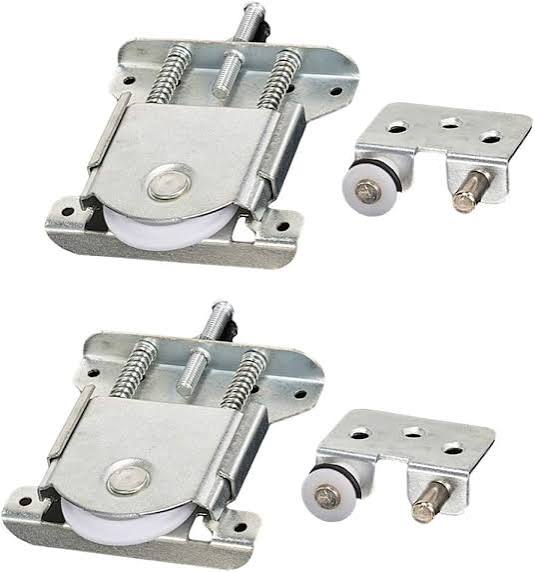
If your sliding wardrobe door sticks, makes unusual noises or comes off its track, replacing worn wardrobe rollers may help restore smooth movement. Jobel Services lists wardrobe rollers for sliding wardrobe doors in its online shop, giving customers in Kenya a place to explore replacement options.
Before buying wardrobe rollers, identify the type of door system you have. Check the existing roller design, wheel size, mounting method and track condition. These details help you choose a replacement that fits your wardrobe rather than purchasing a component that may not work with the existing system.
Whether you are repairing a bedroom wardrobe, updating fitted storage or maintaining rental property, selecting compatible rollers can help avoid unnecessary replacement costs.
https://jobelservices.co.ke/product/wardrobe-rollers-sliding-wardrobe-door-rollers/
What Are Wardrobe Rollers?
Wardrobe rollers are small mechanical components that help sliding wardrobe doors move along their tracks. Depending on the design, they may be fitted to the top or bottom of the door.
When you open or close a sliding wardrobe, the rollers guide the door along its track. They help control movement and keep the door aligned with the sliding system.
Over time, rollers can wear out, collect dirt or become damaged. Incorrect installation can also affect their performance.
Replacing a worn roller may be a practical solution when the wardrobe door and track remain in good condition. However, if the track is bent, the door is damaged or the mounting points have failed, additional repairs may be necessary.

https://www.jobelgeneralhardware.com/shop
What Are the Signs That Your Wardrobe Rollers Need Replacing?
A sliding wardrobe door does not always need a complete replacement when it becomes difficult to operate. The problem may involve the rollers, the track or the door alignment.
Look for these common warning signs.
1. The Door Is Difficult to Slide
If the door requires excessive force to open or close, the rollers may be worn, obstructed or incorrectly adjusted.
However, dirt in the track can produce similar symptoms. Inspect and clean the track before assuming that the rollers are the only problem.
2. The Door Makes Grinding or Scraping Noises
Grinding sounds may indicate damaged wheels, debris in the track or contact between the door and another surface.
Do not continue forcing a door that makes persistent scraping noises. Further use may damage the track or other components.
3. The Door Jumps or Wobbles
A door that moves unevenly may have worn rollers, loose fittings or alignment problems.
Check whether the door remains securely supported. If it appears unstable, avoid using it until the problem has been identified.
4. The Door Frequently Comes Off the Track
A sliding wardrobe door that repeatedly leaves its track needs attention. Worn rollers, damaged guides, incorrect installation or a defective track may be responsible.
Because wardrobe doors can be heavy, do not keep pushing a door back into position without checking why it has become dislodged.
5. The Rollers Show Visible Damage
Cracked wheels, worn contact surfaces, bent brackets or damaged adjustment components can affect sliding performance.
If a roller is visibly damaged, identify its design and dimensions before ordering a replacement.
How Do You Choose the Right Wardrobe Rollers?
The most important step is matching the replacement roller to your existing wardrobe system. Not all sliding door rollers have the same dimensions, mounting arrangements or operating designs.
1. Identify the Existing Roller Type
Inspect the roller assembly, if you can do so safely.
Some systems use rollers fitted to the bottom of the door, while others use top-mounted rollers or a combination of upper and lower guides.
The correct replacement depends on the design of your wardrobe.
If you cannot identify the roller, take clear photographs of the existing component and the door track. Share them with Jobel Services when asking about suitable options.
2. Measure the Roller
Measure the important dimensions of the existing component.
These may include:
- Wheel diameter
- Overall assembly height
- Bracket width
- Mounting-hole spacing
- Available adjustment range
- Wheel width
Use a ruler or calliper where possible. Small differences can affect compatibility, so avoid estimating dimensions when accurate measurements are available.
3. Check the Wheel and Track Design
The roller must work with the wardrobe’s track profile.
Inspect whether the wheel runs on top of a rail, inside a channel or within another track arrangement. Also check the shape of the wheel and its contact surface.
A roller that looks similar to the original may still be incompatible if its wheel profile or mounting position differs.
4. Confirm the Mounting Method
Wardrobe rollers can use different fixing arrangements. Some assemblies attach to a bracket, while others fit into a designated section of the door.
Check how the existing component is secured. Compare its mounting points with the replacement before purchasing.
5. Consider Adjustment Requirements
Some sliding door systems allow adjustments that help align the door and control its position.
If your current roller has an adjustment screw or similar mechanism, check whether the replacement uses a compatible arrangement.
Do not assume that every roller has the same adjustment features. Confirm the design of the specific component.
Can You Replace Wardrobe Rollers Without Replacing the Entire Door?
Yes, replacing the rollers may be possible if the door, track and mounting points are still in suitable condition.
Start by identifying the source of the problem. A worn roller may be responsible for poor movement, but a damaged track or loose fitting can produce similar symptoms.
If the roller is the problem, a compatible replacement may restore smoother sliding.
However, replacing the rollers alone may not solve the issue if the track is bent, the door is warped or the frame has shifted. In those cases, additional repairs may be required.
Before buying replacement parts, compare the condition of the existing components and confirm which parts need attention.
How Do You Replace Sliding Wardrobe Door Rollers?
The replacement process depends on the wardrobe design. Follow the manufacturer’s instructions where available.
Because sliding wardrobe doors can be heavy, ask another person or a qualified technician for help when removing or lifting a door.
Step 1: Inspect the Door and Track
Check the track, rollers, guides and mounting points. Look for dirt, loose screws, cracks or visible deformation.
This inspection helps you determine whether the problem is caused by the roller or another component.
Step 2: Identify the Correct Replacement
Compare the existing roller with the replacement. Check its dimensions, wheel profile, bracket arrangement and fixing method.
Do not begin installation until you are confident that the replacement is suitable.
Step 3: Secure the Work Area
Remove items that could obstruct the work. Keep children and pets away from the area.
If the door needs to be lifted out of the track, use appropriate assistance. Do not attempt to support a heavy door alone if it could fall or cause injury.
Step 4: Remove the Door Carefully
Follow the wardrobe manufacturer’s removal instructions. Some doors lift out of the track, while others require adjustment or release of specific fittings.
Never force the door out of position. If the removal method is unclear, seek assistance from a qualified installer.
Step 5: Remove the Worn Roller
Once the door is safely supported, remove the fasteners securing the damaged roller assembly.
Keep the screws and other reusable fittings organised. Inspect the mounting points for cracks, stripped holes or other damage.
Step 6: Fit the Replacement Roller
Install the compatible replacement according to its design and the manufacturer’s instructions.
Ensure the assembly is secure and correctly positioned. Avoid overtightening screws, as this can damage the mounting area.
Step 7: Reinstall and Test the Door
With appropriate assistance, return the door to its track and check that it is properly supported.
Move it gently along the track. Confirm that it travels smoothly, stays aligned and does not wobble or leave the track.
If the door remains unstable or difficult to move, stop using it and investigate the cause before continuing.
Safety note: Do not work beneath an unsupported wardrobe door. If the door is heavy, the glass is damaged or the track is unstable, use a qualified technician.
What Can Cause New Wardrobe Rollers to Wear Out Quickly?
Even a suitable replacement can experience problems if the underlying cause is not addressed.
Dirt and Debris in the Track
Dust and debris can interfere with roller movement. Clean the track regularly using a method appropriate for the material and design.
Incorrect Roller Compatibility
A roller with the wrong dimensions or wheel profile may not sit correctly on the track. This can lead to uneven movement and premature wear.
Poor Door Alignment
If the door is not aligned correctly, the rollers may experience uneven loading. Check the adjustment and installation rather than repeatedly forcing the door.
Damaged Tracks
A bent or worn track can affect the movement of new rollers. Inspect the track before replacing components.
Loose Mounting Screws
Loose fasteners can allow the roller assembly to move out of position. Check the mounting points during maintenance.
Forcing a Stuck Door
Pushing a door forcefully can place unnecessary stress on the rollers, brackets and track. If the door sticks, identify the cause instead of applying more force.
Should You Replace One Wardrobe Roller or Both?
The answer depends on the roller arrangement and the condition of the existing components.
If a single roller is damaged, replacing it may resolve the immediate problem. However, other rollers in the same system may have similar wear, especially if they have been used for the same length of time.
Inspect the complete set of rollers and compare their condition.
Also consider whether the wardrobe requires matching components on both sides of the door. If the manufacturer specifies a matched set, follow that guidance.
Before purchasing multiple rollers, confirm the quantity and compatibility requirements with the supplier.
How Do You Maintain Wardrobe Rollers?
Regular maintenance helps keep sliding wardrobe doors operating smoothly.
Follow these simple practices:
- Clean the track to remove dust and debris.
- Check the rollers for visible damage.
- Inspect mounting screws and brackets.
- Look for changes in door alignment.
- Avoid slamming or forcing sliding doors.
- Investigate unusual noises before they become worse.
- Follow the manufacturer’s recommendations for cleaning and lubrication.
Use only cleaning products and lubricants suitable for the specific track and roller material. Some systems may not require lubrication, and unsuitable products can attract dirt or interfere with operation.
If a door repeatedly becomes misaligned, arrange an inspection instead of relying on repeated adjustments.
Where Can You Buy Wardrobe Rollers in Kenya?
Jobel Services lists wardrobe rollers for sliding wardrobe doors in its online shop. Before ordering, compare the available product with your existing roller assembly to confirm compatibility.
Visit the official shop at https://jobelservices.co.ke/shop/ and look for the wardrobe rollers listing.
You can also contact Jobel Services to discuss your requirements. Provide clear photographs of the existing roller, the wardrobe track and the mounting arrangement. Include measurements where possible.
This information can help you identify the appropriate replacement and reduce the risk of purchasing an incompatible component.
For in-person enquiries, visit Jobel Services at Gikomba, Beaver House, opposite NCBA Bank, Nairobi.
Confirm the current price, stock status, dimensions and compatibility before placing your order.
Frequently Asked Questions About Wardrobe Rollers
What are wardrobe rollers used for?
Wardrobe rollers help sliding wardrobe doors move along their tracks. They support door movement and help guide the door through the sliding system.
How do I know which wardrobe rollers to buy?
Identify the existing roller type and measure its dimensions. Check the wheel profile, mounting method and track design. Photographs of the old component can also help when discussing compatible replacements.
Can worn wardrobe rollers be repaired?
The answer depends on the type and condition of the roller. Cleaning or adjustment may resolve some problems, but cracked or severely worn components usually need replacement.
Why is my sliding wardrobe door difficult to open?
Possible causes include dirty tracks, worn rollers, poor alignment, loose fittings or a damaged track. Inspect the system before deciding which component to replace.
Can I replace wardrobe rollers myself?
Some roller replacements are straightforward, but removing sliding doors can be hazardous because of their weight. Follow the manufacturer’s instructions and seek help when necessary.
Do all sliding wardrobe doors use the same rollers?
No. Roller dimensions, wheel profiles, brackets and mounting arrangements vary. Always check compatibility before purchasing a replacement.
Where can I buy wardrobe rollers in Nairobi?
Jobel Services lists wardrobe rollers in its online shop. Visit the shop website or contact the business to confirm current availability and find out whether the product matches your wardrobe.
Conclusion
Wardrobe rollers play an important role in the smooth operation of sliding wardrobe doors. When a door sticks, wobbles or makes unusual noises, inspect the rollers, track and mounting points before deciding which parts to replace.
For the best results, match the replacement to the existing system. Check the dimensions, wheel profile and fixing arrangement, and avoid forcing a damaged or unstable door.
Looking for wardrobe rollers in Kenya? Visit the Jobel Services online shop or contact the team with photographs and measurements of your existing roller. Jobel Services is located at Gikomba, Beaver House, opposite NCBA Bank, Nairobi.
Confirm product compatibility, current price and availability before purchasing.
