

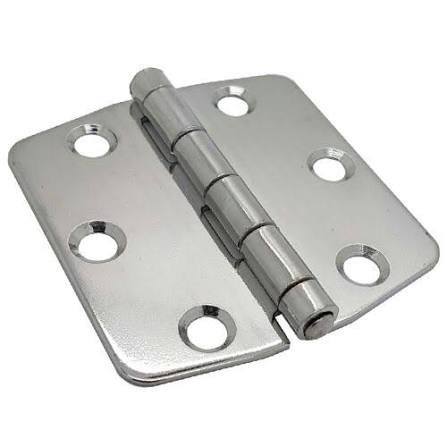
Heavy-Duty Butterfly Hinges: How Do You Choose the Right Ones?
Where Can You Buy Heavy-Duty Butterfly Hinges in Kenya?
Heavy-duty butterfly hinges can help provide reliable movement and support when they are correctly matched to a compatible door or panel. If you are replacing worn hinges or fitting a new installation, choose hinges based on the door’s weight, dimensions, mounting arrangement and intended use.
Jobel Services lists Heavy-Duty Butterfly Hinges in its online shop. Before buying, confirm the product’s dimensions, material, fixing requirements and suitability for your particular application.
Whether you are carrying out a repair or working on a new furniture project, selecting compatible hinges can help prevent alignment problems and unnecessary replacement costs.
This guide explains what butterfly hinges do, how to choose suitable replacements and which details to check before purchasing in Kenya.
https://jobelservices.co.ke/shop/
What Are Heavy-Duty Butterfly Hinges?
Butterfly hinges are named after their two leaf-shaped sections, which resemble wings when the hinge is open. One leaf attaches to one surface, while the other attaches to the adjoining surface. A central pin or knuckle allows the connected parts to pivot.
The term heavy-duty generally describes a hinge intended for applications requiring greater support or durability than a comparable light-duty design. However, the actual load capacity depends on the specific product and installation.
Butterfly hinges come in different sizes, materials, finishes and mounting arrangements. Therefore, you should not assume that every butterfly hinge is suitable for a heavy door or a high-use installation.
Always confirm the manufacturer’s specifications before choosing a hinge for a load-bearing application.
https://www.jobelgeneralhardware.com/shop
What Are Heavy-Duty Butterfly Hinges Used For?
The appropriate application depends on the hinge’s design and rated capacity.
Door Installations
Some butterfly hinges are suitable for compatible doors, provided their dimensions, construction and load rating meet the installation requirements.
Before choosing a hinge, consider the door’s weight, height, width and frequency of use. Also check the door material and the strength of the mounting surface.
Furniture Projects
Certain butterfly hinges may be suitable for furniture doors, cabinets or other hinged panels.
However, the hinge must match the size and construction of the furniture. A hinge designed for a small cabinet should not automatically be used on a large or heavy door.
Repairs and Replacements
If an existing hinge is bent, loose or worn, a compatible replacement may restore the intended movement.
Before removing the old hinge, inspect the mounting points and surrounding material. Damaged screw holes or weakened timber may need repair before a new hinge can be installed securely.
Important: These are general application examples, not a guarantee that every heavy-duty butterfly hinge suits every door or furniture project. Confirm the specific product’s intended use before buying.
How Do You Choose the Right Heavy-Duty Butterfly Hinges?
The best hinge is one that fits the installation and provides the required support. Consider the following factors before purchasing.
1. Check the Size of the Hinge
Hinge dimensions affect how it fits the door and frame.
Measure the existing hinge or the available mounting area. Depending on the design, you may need to record:
- Overall hinge height
- Leaf width
- Leaf thickness
- Screw-hole positions
- Pin or knuckle dimensions
If you are replacing an existing hinge, take clear photographs before removing it. Measurements and photographs can help you compare the old hinge with a replacement.
Do not choose a hinge based only on its general appearance.
2. Consider the Door’s Weight and Dimensions
A hinge must be suitable for the door it supports.
A large, heavy door places different demands on its hinges from a small furniture panel. Door width also matters because it can affect the forces applied to the hinge and mounting points.
Check the product’s load rating and the manufacturer’s installation guidance. Do not assume that a hinge is suitable simply because it looks thick or strong.
If the door is particularly heavy or is used frequently, consult a qualified installer to determine the appropriate hinge arrangement.
3. Confirm the Mounting Method
Different hinges use different fixing arrangements.
Check whether the hinge is designed for the material and mounting surface involved. Confirm that the fixing holes, screws and available mounting space are suitable.
For timber, inspect whether the material around the screw holes is solid. For metal or other materials, confirm that the installation method is appropriate for the surface.
Never force an incompatible hinge into place or alter the mounting surface without understanding the structural consequences.
4. Choose a Suitable Material
Hinge materials influence strength, corrosion resistance and maintenance requirements.
Common hinge materials include steel and stainless steel, although the exact material of a particular product must be confirmed.
For indoor applications, the main considerations may include load capacity, wear and finish. In humid or exposed environments, corrosion resistance becomes more important.
Do not assume that a dark finish, shiny appearance or thick coating proves that a hinge is stainless steel or corrosion-proof. Check the actual product specifications.
5. Inspect the Finish
The finish affects the hinge’s appearance and may influence its resistance to environmental conditions.
Choose a finish that suits the surrounding door, frame or furniture. If the hinge will be exposed to moisture, ask about the material and corrosion protection rather than relying on appearance alone.
Also consider whether the hinge will be visible when the door is closed or open.
6. Consider How Frequently the Door Will Be Used
A door used several times a day may require different hardware from a rarely opened panel.
Consider the expected frequency of operation, the door’s weight and the maintenance requirements. For busy commercial settings, confirm that the hinge is rated for the intended use.
The correct specification is more important than choosing a hinge based on the term heavy-duty alone.
7. Confirm the Number of Hinges Required
The number and positioning of hinges depend on the door’s dimensions, weight, construction and the manufacturer’s instructions.
Do not assume that adding more hinges automatically makes an installation safe. The mounting surface, fixing strength and correct hinge placement also matter.
For a heavy door, obtain professional advice on the appropriate hinge arrangement.
What Is the Difference Between Heavy-Duty and Standard Butterfly Hinges?
The main difference is the intended application and the performance specifications of the particular hinge.
A standard hinge may be suitable for a light panel or furniture door. A heavy-duty version may be designed for greater loads or more demanding use.
However, there is no single specification that applies to every product sold under these descriptions.
| Factor | Standard hinge | Heavy-duty hinge |
|---|---|---|
| Intended use | Often suitable for lighter applications | Intended for applications requiring greater support, subject to specifications |
| Construction | Varies by product | May use thicker or more robust components |
| Load capacity | Depends on the rated product | Must be confirmed from the actual load rating |
| Mounting requirements | Depend on the installation | May require stronger fixing points |
| Best selection method | Match the hinge to the door | Match the hinge to the door and verify the required capacity |
Always compare the actual specifications. A hinge label alone is not enough to establish suitability for a particular door.
What Should You Check Before Replacing a Butterfly Hinge?
Replacing a hinge is an opportunity to inspect the entire installation.
Inspect the Door and Frame
Look for cracks, rot, corrosion, loose joints or other damage around the hinge mounting points.
If the door or frame is weakened, installing a new hinge without addressing the underlying problem may not provide a secure result.
Examine the Screw Holes
Loose or enlarged screw holes can prevent the hinge from being secured correctly.
Check whether the existing holes remain suitable for the replacement. Any repair should restore a sound mounting surface and follow an appropriate method for the material.
Check the Door Alignment
A door that sags or rubs against its frame may have worn hinges, loose fixings or alignment problems.
Do not assume that the hinge alone is responsible. Check the door, frame and mounting points before purchasing replacement hardware.
Compare the Old and New Hinges
Check the dimensions, hole positions, leaf shape and pin arrangement.
If the new hinge does not match the installation, ask the supplier for guidance before drilling additional holes or modifying the door.
How Do You Install Heavy-Duty Butterfly Hinges?
The installation process depends on the hinge, door and mounting material. Follow the product manufacturer’s instructions and seek professional assistance when necessary.
Step 1: Support the Door
Secure the door before removing any hinge that supports its weight.
Heavy doors can fall unexpectedly and cause serious injuries. Use appropriate assistance and equipment rather than trying to hold a heavy door while working.
Step 2: Remove the Existing Hinge
Once the door is properly supported, remove the fasteners carefully.
Inspect the old hinge and mounting area for damage. Keep the old component until you have compared its dimensions with the replacement.
Step 3: Check the Replacement
Confirm the hinge dimensions, material, mounting arrangement and suitability for the application.
Do not proceed if the product appears incompatible or its load capacity is uncertain.
Step 4: Position the Hinge
Follow the manufacturer’s guidance for hinge placement and alignment.
Mark the mounting points carefully. Check that the hinge allows the door to move as intended and does not interfere with the frame or surrounding hardware.
Step 5: Secure the Hinge
Use appropriate fixings for the hinge and mounting material. Tighten them according to the installation instructions.
Avoid overtightening screws or damaging the mounting surface.
Step 6: Test the Door Carefully
With the door supported as needed, test its movement slowly.
Check that the hinge remains secure and the door opens and closes without binding. If the hinge shifts, the door sags or the mounting points show signs of failure, stop using the door until the problem has been corrected.
Safety warning: Do not install a heavy door without adequate support. For large doors, structural applications or uncertain load requirements, use a qualified installer.
Common Mistakes to Avoid When Buying Butterfly Hinges
Choosing by Appearance Alone
Two hinges can look similar but have different dimensions, materials and load ratings. Compare specifications before buying.
Ignoring the Door’s Weight
An unsuitable hinge may wear prematurely or fail to support the door. Confirm the load requirements and manufacturer guidance.
Reusing Damaged Fixing Points
Loose screws and damaged mounting surfaces can weaken the installation. Repair the underlying problem before fitting a replacement.
Assuming Every Heavy-Duty Hinge Is Suitable for Outdoor Use
Heavy-duty construction does not automatically mean corrosion resistance. Check the material and finish for the intended environment.
Using the Wrong Screws
Incorrect fasteners can compromise the connection between the hinge and the mounting surface. Use fixings suited to the hinge, door and frame.
Buying Without Measuring
A replacement may not fit the original mounting arrangement. Record the dimensions and take photographs before ordering.
Where Can You Buy Heavy-Duty Butterfly Hinges in Kenya?
Jobel Services lists Heavy-Duty Butterfly Hinges in its online shop. If you need replacement hinges for a repair or new installation, check the product listing and confirm that the hinge suits your particular application.
Visit the official shop at https://jobelservices.co.ke/shop/.
When making an enquiry, provide the following details:
- The type of door or panel
- Approximate door dimensions and weight
- Photographs of the existing hinge
- The hinge measurements
- The material of the door and frame
- The quantity required
These details can help you discuss the appropriate option with the seller.
You can also visit Jobel Services at Gikomba, Beaver House, opposite NCBA Bank, Nairobi.
Before purchasing, confirm the current price, dimensions, material, load rating and availability of the specific hinge.
Frequently Asked Questions About Heavy-Duty Butterfly Hinges
What are heavy-duty butterfly hinges used for?
They are used in compatible hinged installations that require suitable support and reliable movement. The correct application depends on the hinge’s dimensions, construction and rated capacity.
Are butterfly hinges suitable for heavy doors?
Some may be suitable, but you must confirm the specific hinge’s load rating and installation requirements. The door’s weight, dimensions, fixing method and frame strength all affect suitability.
How do I know which size butterfly hinge to buy?
Measure the existing hinge or available mounting area. Compare the hinge height, leaf width, thickness and screw-hole positions. Also confirm that the design suits the door.
Are heavy-duty butterfly hinges suitable for outdoor use?
That depends on the material and finish. Check the manufacturer’s corrosion-resistance specifications before using a hinge in an exposed or humid environment.
Can I replace a butterfly hinge without replacing the door?
Yes, if the door remains structurally sound and the replacement hinge is compatible. Damaged mounting points or a weakened frame may require additional repairs.
How many butterfly hinges does a door need?
The number depends on the door’s weight, dimensions, hinge specifications and installation guidance. Follow the manufacturer’s recommendations or consult a qualified installer.
Where can I buy heavy-duty butterfly hinges in Nairobi?
Jobel Services lists Heavy-Duty Butterfly Hinges in its online shop. Visit https://jobelservices.co.ke/shop/ or contact the business to confirm the product’s current price, specifications and availability.
Conclusion: Choose Heavy-Duty Butterfly Hinges Based on Compatibility
Choosing the right heavy-duty butterfly hinges starts with understanding the door or panel you want to support. Check the dimensions, weight, material, mounting arrangement and expected frequency of use before purchasing.
Do not rely on appearance or the heavy-duty label alone. Confirm the product’s specifications and make sure the door frame and fixing points can support the installation safely.
Looking for heavy-duty butterfly hinges in Kenya? Visit the Jobel Services online shop or enquire in person at Gikomba, Beaver House, opposite NCBA Bank, Nairobi.
Share your measurements and photographs of the existing hinge to help identify a suitable replacement. Confirm compatibility, current price and availability before ordering.
