


Cabinet Door Handles
Cabinet Door Handles: How Do You Choose the Right Size and Style?
Direct Answer
The right cabinet door handles should match the door size, mounting-hole spacing, handle length, cabinet style, material, finish, and required grip. For replacement handles, measure the existing hole spacing before buying.
https://jobelservices.co.ke/shop/
Complete Guide to Cabinet Door Handles
Cabinet door handles make furniture easier to open and close while contributing to its overall appearance.
You can use them on:
- Kitchen cabinets.
- Wardrobes.
- Office cabinets.
- Cupboards.
- Storage cabinets.
- Display cabinets.
- Custom furniture.
If you are replacing an existing handle, accurate measurements are essential. A handle can look suitable but still fail to fit the existing holes.
Jobel Hardware supplies cabinet door handles and related furniture hardware for residential, office, commercial, and furniture-making applications across Kenya.

https://primepathsolutions.co.ke/
What Are Cabinet Door Handles?
Cabinet door handles are fittings attached to cabinet doors to provide a grip for opening and closing them.
They can have:
- One mounting point.
- Two mounting points.
- Multiple mounting points.
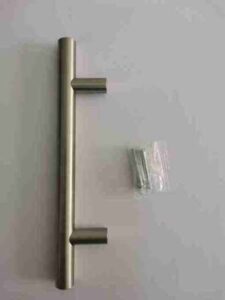
Common designs include bar handles, pull handles, T-bar handles, and cabinet knobs.
What Types of Cabinet Door Handles Are Available?
Bar Cabinet Handles
Bar handles have a straight grip fixed at two points.
They are widely used on modern furniture and can provide a comfortable grip.
Pull Handles
Pull handles provide space between the handle and cabinet surface, allowing you to grip and pull the door.
They work well on larger cabinet doors.
T-Bar Handles
T-bar handles have a compact horizontal grip.
They can suit modern cabinets, wardrobes, and cupboards.
Cabinet Knobs
Cabinet knobs normally use a single mounting point.
They are suitable for smaller doors and compact furniture designs.
How Do You Choose Cabinet Door Handles?
1. Measure the Existing Hole Spacing
For a two-hole handle, measure from the centre of one mounting hole to the centre of the other.
This is called the centre-to-centre measurement.
It is one of the most important measurements when replacing cabinet handles.
2. Consider the Door Size
Large cabinet doors can benefit from larger handles.
Smaller doors may work better with compact handles.
3. Choose the Right Grip
Consider how much space you need between your fingers and the cabinet surface.
A handle should allow comfortable operation.
4. Consider the Material
Common materials include:
- Aluminium.
- Stainless steel.
- Brass.
- Zinc alloy.
- Other furniture-grade materials.
Choose a material suitable for the environment and expected usage.
5. Choose the Finish
The finish should work with the cabinet and other furniture hardware.
Common options include:
- Black.
- Chrome.
- Silver.
- Brushed finishes.
- Brass finishes.
What Is Cabinet Handle Hole Spacing?
Hole spacing is the distance between the centres of the mounting holes.
For example, if two mounting holes have a centre-to-centre distance of 96 mm, you need a replacement handle designed for the same spacing if you want to reuse the existing holes.
Do not confuse hole spacing with the handle’s total length.
How Do You Measure Cabinet Door Handles?
Follow these steps before purchasing replacement handles.
Step 1: Remove the Existing Handle
Remove the handle carefully.
Step 2: Measure the Hole Spacing
Measure from the centre of one mounting hole to the centre of the other.
Step 3: Measure the Handle
Record the overall length.
Step 4: Check Screw Length
Make sure the screws match the cabinet door thickness.
Step 5: Check Handle Clearance
Make sure there is enough space to grip the handle comfortably.
What Size Cabinet Door Handle Should You Choose?
The correct handle size depends on the cabinet door.
Small doors can use smaller handles.
Large doors often need larger handles that provide enough grip.
For replacement projects, hole spacing should take priority over overall handle length because the new handle must fit the existing mounting holes.
Cabinet Door Handles for Kitchen Cabinets
Kitchen cabinet handles receive frequent use.
When selecting them, consider:
- Door size.
- Drawer size.
- Hole spacing.
- Material.
- Finish.
- Grip.
- Cleaning requirements.
For larger kitchen drawers, longer pull handles can provide better leverage.
Cabinet Door Handles for Wardrobes
Wardrobe doors are generally larger than many kitchen cabinet doors.
Longer handles can make large doors easier to operate.
Before installation, check the door thickness and available mounting space.
Cabinet Door Handles for Office Cabinets
Office cabinet handles should provide reliable daily operation.
Choose a design that fits the cabinet and provides enough grip for regular use.
Cabinet Door Handles for Wooden Cabinets
Wooden cabinets can accommodate many types of furniture handles.
However, drilling requires accurate measurements.
Mark the mounting points carefully before creating new holes.
Cabinet Door Handles for Metal Cabinets
Metal cabinets often require suitable screws and mounting hardware.
Check the panel construction before installation.
If replacing an existing handle, match the existing hole spacing whenever possible.
Cabinet Handles vs Cabinet Knobs
| Feature | Cabinet Handles | Cabinet Knobs |
|---|---|---|
| Mounting Points | Usually two | Usually one |
| Grip | Larger | Compact |
| Large Doors | Suitable | Application dependent |
| Large Drawers | Very suitable | Less suitable |
| Installation | Requires accurate spacing | Simpler |
| Style Options | Many | Many |
Can You Replace Cabinet Knobs With Handles?
Yes, but the installation requirements differ.
A knob normally uses one hole.
A handle commonly requires two holes.
If you replace a knob with a handle, you may need to drill additional holes.
Measure the position carefully before drilling.
How to Install Cabinet Door Handles
A typical installation process involves:
- Measure the cabinet door.
- Determine the handle position.
- Mark the mounting points.
- Check the hole spacing.
- Drill the holes if required.
- Insert the screws.
- Position the handle.
- Tighten the screws.
- Check the alignment.
- Test the door.
For multiple cabinet doors, use a template or measuring guide to maintain consistent positioning.
Common Cabinet Handle Problems
Handle Becomes Loose
The mounting screws may have loosened.
Check and tighten them appropriately.
New Handle Does Not Fit
The hole spacing may not match.
Measure the existing holes again.
Screws Are Too Long
Long screws can protrude through the cabinet door.
Use screws suitable for the panel thickness.
Handle Feels Uncomfortable
The handle may have insufficient clearance or an unsuitable grip shape.
Handles Look Uneven
The mounting points may have been measured inconsistently.
Use the same reference points on every door.
When Should You Replace Cabinet Door Handles?
Replace cabinet handles when:
- They are broken.
- They become loose repeatedly.
- The finish is badly worn.
- The grip is uncomfortable.
- The handles no longer match the furniture.
- You are renovating the cabinet.
- You want to update the furniture appearance.
Benefits of New Cabinet Door Handles
Easier Operation
A suitable handle provides a secure grip.
Improved Appearance
New handles can update older furniture.
Affordable Upgrade
Changing handles can refresh furniture without replacing the entire cabinet.
Better Consistency
Matching handles can create a consistent appearance across multiple cabinets.
Easy Maintenance
Individual handles can be replaced when damaged.
Common Installation Mistakes
Avoid:
- Measuring the overall handle instead of hole spacing.
- Drilling without confirming measurements.
- Using the wrong screw length.
- Installing handles at inconsistent heights.
- Overtightening screws.
- Ignoring door thickness.
- Choosing a handle that does not provide enough clearance.
How to Maintain Cabinet Door Handles
- Clean handles regularly.
- Check screws periodically.
- Tighten loose fittings.
- Use suitable cleaning products.
- Inspect handles for cracks or damage.
- Replace damaged handles.
Why Buy Cabinet Door Handles from Jobel Hardware?
Jobel Hardware supplies cabinet door handles and furniture hardware for:
- Kitchen cabinets.
- Wardrobes.
- Office cabinets.
- Cupboards.
- Storage furniture.
- Custom furniture.
- Furniture repair projects.
Before purchasing, confirm the handle type, hole spacing, overall length, material, finish, screw length, and door thickness.
Frequently Asked Questions
What is the most important measurement when replacing cabinet handles?
For two-hole handles, measure the centre-to-centre distance between the mounting holes.
Are cabinet door handles universal?
No. Cabinet handles come in different lengths, hole spacings, materials, and mounting configurations.
What size cabinet handle is best?
The appropriate size depends on the cabinet door dimensions and required grip. Larger doors generally need handles that provide sufficient grip and leverage.
Can I install cabinet handles without existing holes?
Yes. You can drill new mounting holes if the cabinet material and handle design allow it.
Can I replace a cabinet knob with a handle?
Yes, but you will usually need to create an additional mounting hole because knobs typically use one fixing point.
What material is best for cabinet handles?
The best material depends on the application, environment, durability requirements, appearance, and budget.
How do I keep cabinet handles from becoming loose?
Check the mounting screws periodically and tighten them when necessary. If the panel or mounting hardware is damaged, repair or replace the affected components.
Conclusion
Cabinet door handles affect both furniture usability and appearance. The correct choice depends on door size, hole spacing, handle length, material, finish, grip, and mounting requirements.
If you are replacing existing handles, measure the centre-to-centre hole spacing before purchasing.
Jobel Hardware supplies cabinet door handles and furniture hardware for homes, offices, workshops, commercial spaces, and furniture projects across Kenya.
