

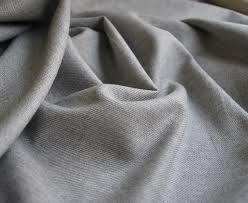
Cotton Fabric in Kenya: Buyer’s Guide | Jobel Services
Where Can You Buy Cotton Fabric in Kenya?
If you are looking for cotton fabric in Kenya for furniture projects, sewing, or suitable interior applications, start by comparing the fabric’s quality, weight, texture, colour, and intended use. Jobel Services lists cotton fabric in its online shop, giving customers a place to enquire about available options.
Cotton fabric is made from natural cotton fibres. It is widely used in clothing, household textiles, decorative items, and selected upholstery applications. However, not every cotton fabric is suitable for covering sofas or chairs. The right choice depends on the fabric’s construction, thickness, durability, and the amount of wear it will experience.
Before buying, consider where you intend to use the fabric and how much material your project requires.
Ready to enquire about cotton fabric? Visit Jobel Services online or visit the shop at Gikomba, Beaver House, opposite NCBA Bank, Nairobi. Ask about the available fabric options, widths, colours, prices, and suitability for your project.
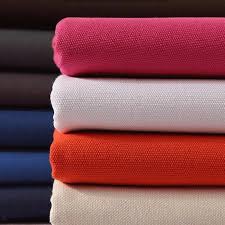
https://jobelservices.co.ke/product/cotton-fabric-in-kenya/
What Is Cotton Fabric?
Cotton fabric is a textile produced from fibres obtained from the cotton plant. These fibres are spun into yarn and woven or knitted into different fabric structures.
The resulting material can vary significantly. Some cotton fabrics are lightweight and soft, while others are thicker and more tightly woven.
These differences affect how the fabric looks, feels, performs, and responds to cleaning.
Common cotton fabric applications include:
- Clothing and garments.
- Cushion covers and decorative textiles.
- Curtains and other household items, where the fabric is suitable.
- Craft and sewing projects.
- Selected furniture upholstery applications.
- Other textile products requiring an appropriate cotton-based material.
The suitability of a particular fabric depends on its specifications. Always check the intended use before selecting cotton fabric for a demanding application such as sofa upholstery.
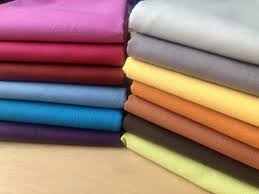
https://www.jobelgeneralhardware.com/shop
Why Choose Cotton Fabric?
Cotton fabric has several characteristics that make it useful for different textile projects.
1. Natural Fibre Construction
Cotton is a plant-based natural fibre. Some buyers prefer it because they want natural fibres in their clothing or home textiles.
However, natural fibre content alone does not determine fabric quality. Weave, yarn quality, finishing, and intended use also matter.
2. Comfortable Texture
Many cotton fabrics have a soft, comfortable feel. The exact texture depends on the yarn, weave, finishing process, and fabric weight.
If comfort is important, feel a sample before ordering a large quantity. A fabric that feels suitable for clothing may not have the structure needed for heavy-use furniture.
3. Variety of Fabric Styles
Cotton can be produced in different weaves, weights, textures, and finishes.
This gives buyers flexibility when selecting material for particular projects. However, colours, patterns, and specific fabric constructions available from Jobel Services should be confirmed directly with the supplier.
4. Versatility
Cotton fabric can serve many purposes, from simple sewing projects to decorative household items.
The important consideration is choosing a grade and construction that suit the intended application. For example, upholstery fabric generally needs to withstand more friction and pressure than fabric used for a decorative craft.
5. Familiar Care Requirements
Many cotton fabrics can be cleaned using conventional textile-care methods, but the correct procedure depends on the specific material and finish.
Some fabrics may shrink, fade, wrinkle, or lose their shape if cleaned incorrectly. Always follow the care instructions for the product you purchase.
Is Cotton Fabric Suitable for Sofa Upholstery?
Cotton fabric can be used for certain upholstery projects, but not every cotton fabric is strong enough for a sofa or frequently used chair.
Furniture upholstery experiences friction, pressure, stretching, and repeated contact. Therefore, the fabric needs to be suitable for the intended level of use.
Before selecting cotton fabric for upholstery, consider the following factors.
Fabric Weight and Construction
A tightly woven, appropriately constructed fabric may be more suitable for some upholstery applications than a lightweight cotton fabric.
However, weight alone does not prove durability. The yarn, weave, finishing, and fabric testing also matter.
Ask the supplier whether the particular fabric is intended for upholstery.
Abrasion Resistance
Abrasion resistance refers to how well a fabric withstands rubbing during use.
Sofas in busy living rooms may experience frequent friction. For these applications, ask about the fabric’s abrasion performance or other relevant durability information.
Do not assume that a fabric suitable for cushion covers is automatically suitable for a complete sofa.
Colourfastness
Colourfastness describes how well a fabric retains its colour when exposed to conditions such as light, rubbing, or cleaning.
If the furniture will sit near a sunny window or receive frequent use, ask whether the fabric has suitable colourfastness for the environment.
Cleaning Requirements
Furniture upholstery can collect dust, spills, and everyday marks.
Check the recommended cleaning method before choosing the material. If the furniture will be used in a busy household or commercial environment, ease of maintenance should be part of your decision.
Professional Upholstery Advice
If you are reupholstering an expensive sofa or an item used every day, ask an upholstery professional to assess the fabric before purchasing.
The professional can help determine whether the material is suitable for the furniture’s shape, padding, seams, and intended use.
How to Choose the Right Cotton Fabric in Kenya
Choosing fabric becomes easier when you compare the main features before making a purchase.
1. Identify the Intended Application
First, decide what you want to make.
Are you buying cotton fabric for clothing, curtains, cushion covers, crafts, or furniture upholstery? Each application has different requirements.
Write down the purpose before visiting the supplier. This helps narrow the available choices.
2. Check the Fabric Weight
Fabric weight can affect how a material drapes, feels, and performs.
Lightweight fabric may work well for some garments and decorative projects. Heavier fabric may be more appropriate for other applications, provided its construction and durability meet the requirements.
Ask for the fabric’s weight or specification if available.
3. Examine the Weave
The weave affects the fabric’s texture, appearance, and behaviour.
Inspect the material for uneven sections, loose yarns, visible defects, or inconsistent construction. For upholstery, ask whether the weave is suitable for repeated friction and tension.
A sample can help you assess the material more accurately than a photograph alone.
4. Choose a Suitable Colour
The colour should suit the project and the surrounding interior.
For furniture, consider the colour of the walls, flooring, curtains, and other furnishings. Also consider whether the material will be exposed to direct sunlight.
If colour matching is important, compare physical samples under lighting similar to the environment where the finished item will be used.
5. Ask About Fabric Width
Fabric width affects how much material you need.
For curtains, upholstery, or large sewing projects, the width can influence cutting layouts and the number of metres required.
Confirm the actual usable width before calculating the total quantity.
6. Calculate the Required Quantity
Measure the project carefully before purchasing fabric.
For upholstery, the amount needed depends on the furniture’s dimensions, shape, pattern direction, cushion design, and cutting requirements. Extra material may be necessary for seams, matching patterns, and mistakes.
For a sofa or complex furniture item, ask an upholsterer to estimate the required quantity.
7. Check the Care Instructions
Ask how the fabric should be cleaned and maintained.
Cotton may shrink or wrinkle depending on its construction and treatment. Some finishes also require special care.
Choose a material whose maintenance requirements suit your household, business, or project.
Cotton Fabric vs Polyester Fabric
Cotton and polyester are common textile materials, but they have different characteristics. The better choice depends on the intended application and the properties of the particular fabric.
| Feature | Cotton fabric | Polyester fabric |
|---|---|---|
| Fibre type | Natural plant fibre | Synthetic fibre |
| Feel | Varies by weave and finish; often soft | Varies by construction and finish |
| Moisture behaviour | Generally absorbs more moisture | Generally absorbs less moisture |
| Wrinkling | Can wrinkle depending on construction | Often more wrinkle-resistant |
| Shrinkage | May shrink depending on treatment and care | Often has lower shrinkage under appropriate care conditions |
| Upholstery suitability | Depends on weight, weave, and durability | Depends on construction, durability, and finish |
| Cleaning | Follow the specific fabric-care instructions | Follow the specific fabric-care instructions |
Neither material is automatically superior for every project. Some upholstery textiles also use blended fibres to combine different properties.
When buying fabric for furniture, compare the actual product specifications rather than choosing based only on whether it is cotton or polyester.
How Much Cotton Fabric Do You Need?
The required quantity depends on the project, material width, cutting layout, and pattern.
For Cushion Covers
Measure the cushion dimensions and account for seams, closures, and the way the fabric will be cut.
The quantity also depends on whether the cushions have patterned fabric that must be matched.
For Curtains
Measure the window width and the desired curtain length. The amount of fabric depends on the fullness, heading style, number of curtain panels, and fabric width.
Ask a curtain maker to calculate the quantity if you are unsure.
For Sofa Upholstery
Sofa upholstery requires careful measurement because the fabric must cover multiple sections, including the seat, back, arms, and sometimes removable cushions.
The quantity varies according to the sofa’s design and dimensions. Pattern matching can also increase material requirements.
For this reason, have an experienced upholsterer calculate the required quantity before buying.
For Clothing and Sewing Projects
Use a pattern or cutting plan to estimate the amount needed. Consider the garment size, fabric width, pattern direction, and any matching requirements.
If you are buying for a specific project, take the measurements or pattern details with you when enquiring.
Common Mistakes to Avoid When Buying Cotton Fabric
Choosing Fabric by Appearance Alone
A fabric may look attractive but still be unsuitable for its intended use.
Check the weight, construction, durability, care requirements, and intended application before making a decision.
Assuming All Cotton Fabric Is Upholstery Fabric
Cotton includes many types of textiles. Lightweight cotton suitable for clothing may wear out quickly when used on a frequently occupied sofa.
Ask the supplier whether the specific fabric is intended for upholstery.
Buying Without Measuring
Buying too little fabric can delay a project, while purchasing too much can increase unnecessary costs.
Measure carefully and allow for seams, pattern matching, and cutting requirements.
Ignoring Cleaning Requirements
A fabric that requires delicate care may be inconvenient for furniture used by children, pets, or many people.
Check the cleaning instructions and choose a material that fits your maintenance preferences.
Failing to Check the Colour in Person
Colours may appear different on screens because of lighting and display settings.
If an exact colour match matters, request a physical sample where available and compare it with your existing furnishings.
Overlooking Fabric Width
Two fabrics may have similar patterns but different widths.
Confirm the usable width before estimating the required quantity.
How to Care for Cotton Fabric
Correct care helps maintain the fabric’s appearance and performance.
Follow the Care Instructions
Always follow the instructions supplied for the specific fabric. Washing, drying, ironing, and cleaning requirements vary.
Test Cleaning Methods First
If the fabric has no clear care instructions, test a suitable cleaning method on a discreet sample before treating the visible surface.
For upholstered furniture, avoid soaking the material unless the manufacturer or upholstery professional confirms that it is safe.
Protect Against Excessive Sunlight
Some fabrics can fade when exposed to direct sunlight over long periods.
Where practical, use curtains or blinds to reduce intense exposure, particularly on furniture placed beside sunny windows.
Remove Spills Promptly
Address spills using the recommended cleaning method. Avoid aggressive scrubbing, which may damage fibres or spread the stain.
For valuable upholstered furniture, seek professional cleaning advice when necessary.
Store Unused Fabric Properly
Keep spare fabric clean and dry. Protect it from prolonged sunlight, dust, and moisture.
Store the material according to its care requirements so it remains suitable for future use.
Where to Buy Cotton Fabric in Nairobi, Kenya
If you are searching for cotton fabric in Nairobi, Jobel Services is a supplier to contact because cotton fabric is listed in its online shop.
Before visiting, prepare a few details about your project:
- The intended use of the fabric.
- The required quantity and width.
- Your preferred colour or pattern.
- Whether you need fabric suitable for upholstery.
- Any durability or cleaning requirements.
- Your budget and project deadline.
These details help you make a more informed enquiry.
Visit Jobel Services online or visit the business at Gikomba, Beaver House, opposite NCBA Bank, Nairobi. Confirm the current price, available options, and specifications before purchasing.
If you are outside Nairobi, contact the business to confirm available purchasing and delivery arrangements.
Frequently Asked Questions About Cotton Fabric in Kenya
1. Where can I buy cotton fabric in Kenya?
Jobel Services lists cotton fabric in its online shop. Visit jobelservices.co.ke/shop to enquire about the available options and current prices.
2. Is cotton fabric suitable for sofa upholstery?
Some cotton fabrics are suitable for upholstery, but others are too lightweight for frequent use. Check the fabric’s construction, abrasion resistance, weight, and intended application before buying.
3. How much does cotton fabric cost in Kenya?
The price depends on the fabric’s quality, construction, width, design, and quantity. Contact Jobel Services to confirm the current price of the available cotton fabric.
4. Is cotton fabric better than polyester?
Neither material is best for every application. Cotton is a natural fibre, while polyester is synthetic. Compare durability, comfort, care requirements, and intended use before deciding.
5. Can cotton fabric be used for curtains?
Some cotton fabrics are suitable for curtains. Check the fabric’s weight, drape, colourfastness, and care requirements before selecting it for window coverings.
6. How do I calculate the amount of fabric needed for a sofa?
Measure the sofa and consider its design, cushions, arms, seams, and pattern direction. An experienced upholsterer can estimate the required quantity more accurately.
7. Does cotton fabric shrink?
Cotton fabric can shrink, depending on its construction, treatment, and cleaning conditions. Follow the care instructions and ask about shrinkage before cutting the fabric for a project.
8. How do I know whether cotton fabric is durable?
Check its construction, weight, yarn quality, and relevant durability specifications. For upholstery, ask about abrasion resistance and whether the material is intended for furniture use.
9. Can cotton fabric fade in sunlight?
Yes. Some cotton fabrics can fade with prolonged exposure to sunlight. Consider the fabric’s colourfastness and protect it from excessive direct sunlight where possible.
10. Can I buy cotton fabric for a custom furniture project?
You can enquire with Jobel Services about its listed cotton fabric. Explain your project and confirm whether the available material is suitable for the intended application before ordering.
Conclusion: Enquire About Cotton Fabric at Jobel Services
Choosing the right cotton fabric in Kenya starts with understanding your project’s requirements. Fabric weight, weave, colour, width, durability, and care instructions all affect the final result.
For clothing and decorative projects, comfort and appearance may be priorities. For sofa upholstery, durability and resistance to repeated use are particularly important.
Before purchasing, confirm the material’s specifications and calculate the quantity required for your project.
Ready to enquire about cotton fabric? Visit Jobel Services online or visit the shop at Gikomba, Beaver House, opposite NCBA Bank, Nairobi. Explain your intended use and ask about current fabric options, prices, and availability.
