

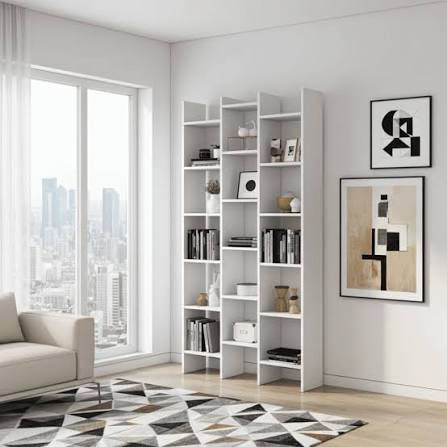
Display Cabinets: How Do You Choose the Right One?
Where Can You Buy Display Cabinets in Kenya?
If you need to buy display cabinets in Kenya, choose a cabinet that presents your products or valuables clearly while providing the right level of storage, protection, and security. The best display cabinet should fit your available space, accommodate the items you want to showcase, and complement your business or home interior.
Jobel Services serves customers looking for furniture and related hardware products in Nairobi. Before purchasing a display cabinet, consider its dimensions, construction material, shelf arrangement, door design, visibility, and locking options.
For example, a retail shop may need a glass display cabinet that allows customers to view products without handling them. An office may require a cabinet for awards, certificates, models, or company merchandise. At home, a display cabinet can help organise ornaments, collectibles, and decorative items.
By identifying your requirements before buying, you can choose a cabinet that combines appearance, practicality, and durability.
https://jobelservices.co.ke/product/duplex-office-cabinets/
What Is a Display Cabinet?
A display cabinet is a storage unit designed to showcase items while keeping them organised and, in some cases, protected from dust, accidental contact, or unauthorised access.
Display cabinets are available in different sizes, shapes, materials, and configurations. Some feature glass panels and shelves, while others combine glass with wood, metal, or solid cabinet sections.
Depending on the design, you can use a display cabinet to store:
- Retail products and merchandise.
- Awards, trophies, and certificates.
- Collectibles, ornaments, and souvenirs.
- Electronics and accessories.
- Books, models, and educational materials.
- Branded products and company displays.
The right cabinet depends on what you want to display, who needs access, and where you intend to install it.
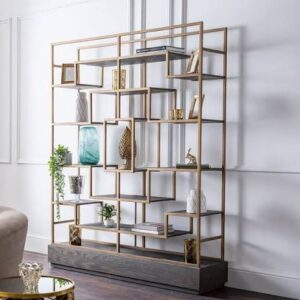
https://primepathsolutions.co.ke/shop/
Why Should You Invest in a Suitable Display Cabinet?
A well-selected display cabinet can improve product presentation, organisation, and the appearance of your space.
1. Present Products More Effectively
For retail businesses, visibility matters. A suitable display cabinet allows customers to view products without searching through boxes or crowded shelves.
Clear glass panels can make products easier to see. In addition, good internal organisation helps customers compare available items.
2. Keep Items Organised
Display cabinets provide designated spaces for different products or valuables. You can arrange items by category, size, price, colour, or purpose.
As a result, your shop, reception area, or home can look more organised.
3. Reduce Dust and Accidental Contact
Enclosed cabinets can help protect displayed items from everyday dust and unnecessary handling. This feature is useful for delicate ornaments, awards, collectibles, and selected retail products.
However, the level of protection depends on the cabinet’s construction and how well its doors and panels fit.
4. Improve Your Interior Design
A display cabinet can complement your existing furniture and create a more professional environment.
For example, a cabinet in a reception area can showcase company awards, while a retail display cabinet can help products stand out.
5. Support Better Security
Some display cabinets include lockable doors. These can help control access to merchandise, electronics, collectibles, and other valuable items.
Nevertheless, a lockable display cabinet is not automatically a high-security safe. Choose a cabinet with appropriate construction and locking features for the value and risk associated with the items stored inside.
What Types of Display Cabinets Can You Choose From?
Different display cabinets serve different purposes. Compare the following options before making a purchase.
1. Glass Display Cabinets
Glass display cabinets allow customers or visitors to see displayed items from one or more sides.
They are commonly suitable for retail products, trophies, collectibles, ornaments, and exhibition items.
When choosing one, inspect the glass panels, door alignment, shelf supports, and frame construction. Also, consider the weight of the products you plan to display.
2. Lockable Display Cabinets
Lockable display cabinets help restrict access to displayed items. They are useful for shops, offices, schools, and reception areas where products or valuables need additional protection.
Check the lock type, door design, and ease of use. If several staff members need access, consider how keys will be managed.
3. Wall-Mounted Display Cabinets
Wall-mounted display cabinets use wall space instead of occupying the floor.
They can suit compact offices, small shops, and rooms where floor space is limited. However, the wall, brackets, and fixings must support the combined weight of the cabinet and its contents.
Follow the manufacturer’s installation requirements and use suitable fixings for the wall type.
4. Freestanding Display Cabinets
Freestanding cabinets stand on the floor and may offer several shelves or compartments.
They are suitable for retail shops, offices, showrooms, and homes that need larger display areas.
Before purchasing, measure the available floor space and ensure that customers, staff, or household members can move around the cabinet comfortably.
5. Countertop Display Cabinets
Countertop display cabinets sit on counters or service desks. They are useful for small merchandise, accessories, samples, and products customers may want to inspect closely.
Choose a size that leaves enough room for other counter activities. Also, consider whether the cabinet needs a lock or a design that allows easy staff access.
6. Wooden Display Cabinets
Wooden display cabinets offer a traditional or executive appearance. Depending on their design, they may combine solid panels, glass doors, open shelves, and drawers.
Check the material used, joint quality, finish, and resistance to the conditions in your space.
7. Metal Display Cabinets
Metal display cabinets can provide a practical structure for commercial and institutional environments.
Their suitability depends on the frame design, shelf construction, finish, and intended load. Inspect the cabinet for sharp edges, damaged coatings, loose fittings, and weak joints.
8. Display Cabinets With Storage Compartments
Some cabinets combine display shelves with closed cupboards or drawers.
This arrangement lets you showcase selected items while storing packaging, documents, spare stock, or supplies out of sight.
It can be especially useful for retail counters, offices, and reception areas where you need both display space and everyday storage.
How Do You Choose the Right Display Cabinet?
Before buying display cabinets, compare the following features against your actual requirements.
1. Identify What You Want to Display
Start by listing the items you intend to store. Their size, weight, value, and fragility will influence your choice.
For instance, small accessories may fit comfortably in a countertop cabinet. Large trophies or decorative objects may require wider shelves and greater vertical clearance.
If you are displaying retail products, consider how customers will view them and whether staff need quick access.
2. Measure the Available Space
Measure the cabinet’s intended width, height, and depth. Also, check entrances, corridors, counters, and nearby furniture.
A cabinet that fits against a wall may still obstruct a doorway or reduce movement in a busy shop.
For wall-mounted models, confirm the wall dimensions and suitable mounting points. For freestanding units, allow enough room for doors to open fully.
3. Choose the Right Material
The material affects appearance, durability, maintenance, and suitability for different environments.
- Glass: Provides visibility and works well for showcasing products.
- Metal: Can provide a practical frame or cabinet structure.
- Wood: Offers a range of finishes suitable for homes, offices, and reception areas.
- MDF or particleboard: Can provide economical furniture construction, depending on quality and design.
- Combined materials: May balance visibility, structural support, and concealed storage.
Do not judge quality by appearance alone. Check the construction, fittings, finish, and suitability for the intended load.
4. Check Shelf Capacity
Every shelf should support the items you plan to display.
Check the manufacturer’s load rating where available. Consider both the weight of individual products and the combined weight on each shelf.
For heavy merchandise, trophies, or equipment, verify that the shelves and supports are designed for the load. Avoid placing heavy items on shelves that have not been rated to hold them.
5. Decide Whether You Need Locks
If the cabinet will hold valuable merchandise or sensitive display items, consider lockable doors.
For example, a retail shop may benefit from a cabinet that lets customers see products while staff control access. An office may use a lockable cabinet for awards or valuable equipment.
For low-risk decorative items, an unlocked cabinet may be sufficient.
6. Consider Visibility and Lighting
A display cabinet should make its contents easy to see.
Glass panels, suitable shelf spacing, and a practical arrangement can improve visibility. If you intend to add lighting, check whether the cabinet supports it safely and whether the lighting will produce excessive heat for the items displayed.
Position the cabinet where lighting helps customers or visitors view the contents without causing excessive glare.
7. Choose the Right Door Design
Display cabinets may have hinged doors, sliding doors, or open sections.
Hinged doors need enough clearance to swing open. Sliding doors can be useful in narrow spaces because they do not require the same opening area.
Check that doors move smoothly and close securely. Also, inspect handles, hinges, locks, and other fittings before purchasing.
8. Plan for Future Needs
Your display requirements may change as your business grows or your collection expands.
If you expect to add products, choose a cabinet with enough capacity or consider a modular arrangement. Adjustable shelves can also make it easier to accommodate items of different heights.
However, avoid buying a cabinet that is so large that it wastes space or makes the room difficult to navigate.
Which Display Cabinets Are Best for Retail Shops?
Retail shops need cabinets that present products clearly and support convenient sales operations.
First, consider the type of merchandise. Small accessories may require several compact shelves, while larger products need more space between shelves.
Next, think about customer visibility. Place frequently promoted items where shoppers can see them easily. Arrange products neatly, and avoid overcrowding the cabinet.
Security is also important. If products are expensive or easy to remove, consider lockable doors and a layout that allows staff to supervise the display.
Finally, ensure the cabinet fits the shop layout. Customers should be able to approach the display without blocking entrances, service counters, or walkways.
How Do You Choose Display Cabinets for Offices and Reception Areas?
Office display cabinets often showcase company awards, trophies, certificates, branded products, and presentation materials.
Choose a cabinet that matches your office interior while keeping the contents visible and organised.
For reception areas, consider the visitor’s line of sight. A cabinet should complement the reception desk without obstructing movement or making the space feel crowded.
For executive offices and meeting rooms, consider the finish, proportions, and available space. If the cabinet will store both display items and office supplies, a model with enclosed compartments may be more practical.
Also, check whether the cabinet requires a lock and whether the shelves can support the weight of the items you intend to display.
What Should You Consider When Buying Display Cabinets for Your Home?
For home use, choose a display cabinet based on the room, the items you want to showcase, and your preferred interior style.
A living room cabinet may hold ornaments, souvenirs, photographs, or collectibles. A dining area may benefit from a cabinet designed for decorative items or selected tableware.
Consider these factors:
- Available wall and floor space.
- The size and weight of your collection.
- Whether you need glass doors or open shelves.
- Ease of cleaning and maintenance.
- Door clearance and household movement.
- Stability and appropriate anchoring.
If children use the room, pay particular attention to stability, glass safety, and secure installation. Avoid placing heavy or fragile items where they could fall easily.
Display Cabinets vs. Storage Cabinets: What Is the Difference?
Display cabinets prioritise visibility. They are designed to showcase products, awards, collectibles, or other items while keeping them arranged.
Storage cabinets prioritise keeping items stored and organised. Many use solid doors that conceal the contents.
Choose a display cabinet when presentation and visibility are important. Choose a storage cabinet when you mainly need to keep supplies, files, equipment, or personal belongings out of sight.
If you need both functions, consider a combined unit with glass display sections and closed storage compartments.
Common Mistakes to Avoid When Buying Display Cabinets
Avoid these mistakes when comparing display cabinets:
- Ignoring measurements: The cabinet may obstruct movement or fail to fit its intended location.
- Overloading shelves: Excessive weight can damage shelves or supports.
- Choosing poor visibility: Dark interiors or badly arranged products can make items difficult to see.
- Ignoring door clearance: Hinged doors may interfere with counters or nearby furniture.
- Overlooking security: An unlocked cabinet may not suit valuable merchandise.
- Choosing the wrong material: Some finishes may not suit damp or demanding environments.
- Forgetting maintenance: Glass panels and frequently handled surfaces require regular cleaning.
- Ignoring installation: Wall-mounted units need suitable walls and fixings, while freestanding cabinets need adequate stability.
Compare these factors before making your final decision.
How Do You Maintain a Display Cabinet?
Proper maintenance helps keep your display cabinet attractive and functional.
- Clean glass panels regularly. Use a suitable glass cleaner and a soft cloth.
- Inspect the frame. Look for loose joints, damaged finishes, and signs of instability.
- Check hinges and locks. Ensure that doors open, close, and lock correctly.
- Keep shelves within their load limits. Remove excess weight if a shelf begins to bend.
- Protect wooden surfaces. Avoid excessive moisture and follow the manufacturer’s care instructions.
- Inspect metal components. Check for corrosion, damaged coatings, and loose fittings.
- Keep the cabinet stable. Follow installation and anchoring instructions.
- Rearrange products carefully. Place heavy items on suitable shelves and avoid overcrowding.
If a glass panel, shelf support, or structural component is damaged, stop using the affected section until it has been assessed and repaired appropriately.
Where Can You Buy Display Cabinets in Nairobi?
If you are ready to buy display cabinets in Nairobi, Jobel Services is a useful starting point for exploring furniture and related hardware options.
Visit Jobel Services at Gikomba, Beaver House, opposite NCBA Bank, Nairobi. Before visiting, identify the items you want to display and measure the available space.
To help narrow down your options, prepare the following information:
- The required cabinet height, width, and depth.
- The type and approximate weight of the items to be displayed.
- Your preferred material and finish.
- Whether you need glass panels, locks, drawers, or closed compartments.
- Your budget and intended installation location.
You can also send photos of your space and examples of the cabinet style you prefer. Contact Jobel Services before travelling to confirm whether a suitable model is available.
Whether you need a display cabinet for a retail shop, office, reception area, school, or home, prioritise visibility, stability, appropriate storage capacity, and a design that fits your space.
Frequently Asked Questions About Display Cabinets
1. What is the best material for a display cabinet?
The best material depends on your budget, environment, intended use, and preferred appearance. Glass helps display products clearly, while wood and metal can provide different structural and decorative options. Compare the complete construction before buying.
2. Are glass display cabinets suitable for shops?
Yes. Glass display cabinets can help customers view merchandise while limiting direct handling. For valuable products, consider a lockable design and ensure the glass, frame, and shelves are suitable for the intended use.
3. Should I buy a lockable display cabinet?
Choose a lockable cabinet if you need to control access to merchandise, electronics, collectibles, or other valuable items. The level of security should match the value of the contents and the risks in your environment.
4. How do I choose the right display cabinet size?
Measure the available space and the items you intend to display. Compare cabinet dimensions, shelf spacing, door clearance, and load capacity before making a purchase.
5. Can display cabinets be used in offices?
Yes. Offices can use display cabinets for trophies, awards, company merchandise, models, and presentation materials. Select a design that complements your interior and provides suitable visibility and storage.
6. Are wall-mounted display cabinets safe?
They can be safe when installed using appropriate fixings on a suitable wall. Confirm the combined weight of the cabinet and its contents, follow the manufacturer’s instructions, and use qualified installation assistance where needed.
7. What is the difference between a display cabinet and a glass cabinet?
A display cabinet is a broad term for furniture designed to showcase items. A glass cabinet uses glass for some of its panels or doors, allowing the contents to remain visible. Many display cabinets are glass cabinets, but designs vary.
8. Where can I buy display cabinets in Kenya?
You can visit Jobel Services at Gikomba, Beaver House, opposite NCBA Bank, Nairobi, to explore relevant furniture and hardware options. Contact the business before visiting to confirm availability of your preferred design.
Conclusion
The right display cabinets help you present products and valuables neatly while making effective use of your space. Before buying, compare the dimensions, material, shelf capacity, visibility, door design, security features, and installation requirements.
Retail businesses should prioritise product visibility and controlled access. Offices may need cabinets for awards and company displays, while homes may benefit from designs that complement existing furniture.
For customers in Nairobi, Jobel Services at Gikomba, Beaver House, opposite NCBA Bank, is a starting point for exploring suitable furniture and hardware options. Prepare your measurements, photos, storage requirements, and budget before enquiring so you can narrow down the options more efficiently.
