


How to Install Curtain Rails in Kenya: Step-by-Step Guide
How Do You Install Curtain Rails?
To install curtain rails correctly, measure the window, mark the rail position, identify the fixing points, install the brackets, attach the rail and test the curtain movement.
The exact installation method depends on whether you are installing the rail on a wall or ceiling and whether you are using a single, double, heavy-duty or motorised curtain rail.
A properly installed curtain rail should be straight, securely supported and positioned so the curtains can open and close without obstruction.
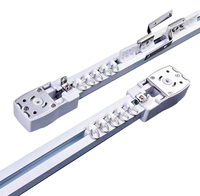
https://jobelservices.co.ke/product/curtain-rails/
What You Need to Install Curtain Rails
Before starting, prepare the necessary tools and materials.
You may need:
- Curtain rail
- Curtain rail brackets
- Wall plugs
- Screws
- Drill
- Appropriate drill bits
- Screwdriver
- Tape measure
- Pencil
- Spirit level
- Ladder or step stool
- Stud or wall detector where appropriate
- Safety glasses
The exact fixings depend on the wall or ceiling material.
For example, the fixing method for concrete is different from that used for plasterboard or timber.
Do not assume that the screws supplied with a curtain rail are suitable for every wall or ceiling.
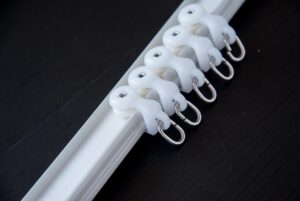
https://primepathsolutions.co.ke/
Step 1: Measure the Window
Start by measuring the window before drilling anything.
Measure:
- Window width
- Window height
- Available wall space
- Distance from the ceiling
- Distance above the window
- Space beside the window
Do not measure only the glass area.
The curtain rail normally extends beyond the window so the curtains can move away from the glass when opened.
For many installations, extending the rail beyond both sides of the window provides better curtain coverage and allows the curtains to open more fully.
For unusual windows such as bay windows, measure each section and consider the complete path of the rail.
Step 2: Decide Where to Position the Rail
A curtain rail can be mounted on a wall or ceiling, depending on the rail design and the structure of the installation area.
Wall-Mounted Curtain Rails
Wall mounting is common for bedrooms, living rooms and offices.
Position the rail high enough to provide adequate curtain clearance while leaving enough space for the brackets.
Make sure the rail does not interfere with:
- Window handles
- Window frames
- Air conditioners
- Furniture
- Other wall fixtures
Ceiling-Mounted Curtain Rails
Ceiling mounting can work well when:
- The window reaches close to the ceiling
- You want a full-height curtain
- Wall space above the window is limited
- You want a cleaner ceiling-mounted appearance
Check that the ceiling can safely support the rail and curtains before drilling.
Step 3: Mark the Bracket Positions
Use a pencil to mark where each bracket will be installed.
Use a spirit level to make sure the marks are aligned.
The brackets should provide enough support for the length and weight of the curtain rail.
Long rails and heavy curtains may require additional support.
Avoid placing all the weight on two brackets simply because the rail is supplied with two.
The correct number and spacing of brackets depend on the rail design, length and curtain weight.
Step 4: Check the Wall or Ceiling Before Drilling
This is an important safety step.
Before drilling, check for:
- Electrical cables
- Water pipes
- Other concealed services
- Structural limitations
- Weak or damaged surfaces
Use an appropriate detector where necessary.
Never drill into a location if you are unsure what is behind the surface.
If the installation involves a difficult wall, high ceiling, heavy curtain system or motorised rail, professional installation is safer than guessing.
Step 5: Drill the Fixing Holes
After confirming the bracket positions, drill the holes using the appropriate drill bit.
The hole size should match the fixing system being used.
Masonry surfaces, appropriate wall plugs are normally required.
Plasterboard, use fixings designed specifically for plasterboard and consider where the structural support is located.
Timber, use appropriate screws that provide sufficient penetration.
Do not use the same fixing method for every surface.
Step 6: Install the Wall Plugs and Brackets
Insert the appropriate wall plugs where required.
Position the brackets over the fixing holes and secure them with screws.
Do not overtighten the screws.
Overtightening can damage some wall surfaces or fittings.
Once the brackets are secured, check them by hand to make sure they do not move excessively.
The brackets should sit firmly against the mounting surface.
Step 7: Attach the Curtain Rail
Place the curtain rail onto the installed brackets according to the rail design.
Some rails clip into their brackets while others require screws or another fixing mechanism.
Make sure the rail is properly seated before hanging the curtains.
For longer rails, check the centre and intermediate supports carefully.
A rail that looks secure at the ends can still sag if the middle section does not have enough support.
Step 8: Install the Curtain Runners or Rings
Depending on the curtain system, you may need to install:
- Curtain runners
- Curtain rings
- Hooks
- Gliders
- Eyelets
Check that the runners move freely along the rail.
If a runner catches at a bracket or connection point, investigate the problem before hanging the full curtain.
Do not force the curtain across a section that is not aligned correctly.
Step 9: Hang the Curtains
Once the rail is secure, attach the curtains.
Start from one side and work across the rail.
Check that the curtain weight is distributed evenly.
Then open and close the curtains several times.
Look for:
- Sagging
- Stiff movement
- Loose brackets
- Misaligned rails
- Runners catching
- Curtains touching obstructions
Correct these problems before considering the installation complete.
How to Install a Double Curtain Rail
A double curtain rail allows two curtain layers to operate independently.
It is useful when you want combinations such as:
Sheer curtains + blackout curtains
Before installation, check the required distance between the two rails.
The front and rear curtains need enough clearance to move without rubbing against each other.
Measure carefully because a double rail requires more space than a single rail.
When installing a double system:
- Mark the position of both rails.
- Check the spacing between them.
- Ensure both rails are level.
- Install suitable brackets.
- Secure both rails.
- Install runners or rings.
- Hang the curtains.
- Test both curtain layers independently.
How to Install Curtain Rails for Heavy Curtains
Heavy curtains require more attention to support.
Before installation, consider:
- Curtain weight
- Rail strength
- Bracket strength
- Wall construction
- Number of fixing points
- Rail length
Do not rely on a lightweight rail for a heavy blackout or velvet curtain.
A heavy curtain can place significant downward and outward force on the rail and brackets when it is opened and closed.
For large windows, professional assessment can help determine the appropriate rail and fixing method.
Common Curtain Rail Installation Mistakes
1. Installing the Rail Without Measuring
Guessing the rail length can result in poor curtain coverage.
Measure before purchasing and drilling.
2. Mounting the Rail Too Close to the Window
Curtains need enough clearance to move freely.
Check window handles and other obstructions before fixing the brackets.
3. Using Weak Wall Plugs
The fixing must match the wall or ceiling material.
A strong rail cannot compensate for an unsuitable fixing.
4. Using Too Few Brackets
Long or heavy installations need adequate support.
Insufficient brackets can cause the rail to bend or pull away from the wall.
5. Ignoring the Curtain Weight
A rail suitable for lightweight sheers may not be suitable for heavy blackout curtains.
Always consider the complete curtain system.
6. Failing to Check Level
A slightly sloping rail can become very noticeable once the curtains are installed.
Use a spirit level during installation.
7. Installing Before Checking for Hidden Services
Drilling into electrical wiring or plumbing can cause serious damage and injury.
Always check the installation area before drilling.
When Should You Hire a Professional?
Installing a short, lightweight curtain rail on a suitable wall can be a straightforward DIY project.
Professional installation is recommended when you are dealing with:
- Very long curtain rails
- Heavy curtains
- High ceilings
- Bay windows
- Curved rails
- Double curtain systems
- Motorised curtain rails
- Difficult wall surfaces
- Commercial installations
Professional installation can also help when accurate alignment and clean finishing are important.
For motorised systems, installation may involve additional electrical and control requirements. Follow the manufacturer’s installation requirements and use a qualified professional where electrical work is required.
How Jobel Services Can Help With Curtain Rail Installation
Choosing the correct curtain rail is only part of the job.
You also need the right:
- Rail length
- Brackets
- Runners
- Fixings
- Mounting method
- Curtain configuration
Jobel Services provides curtain rail solutions for homes, offices and other interior spaces.
If you are unsure which rail to purchase, provide the following information:
- Window measurements
- Curtain type
- Curtain weight
- Number of curtain layers
- Wall or ceiling mounting preference
- Window shape
- Installation location
For unusual installations, photographs can also help when discussing the required rail configuration.
Frequently Asked Questions
Can I install curtain rails myself?
Yes. Basic curtain rail installations can be suitable for DIY installation if you have the correct tools, fixings and a suitable mounting surface. More complicated or heavy installations may require professional help.
How high should a curtain rail be installed?
There is no single height that works for every window. The rail should provide adequate curtain coverage and clearance while fitting the available wall or ceiling space.
Can curtain rails be installed directly into plasterboard?
Yes, but you need appropriate plasterboard fixings and sufficient support. For heavy curtains, identify structural support where possible instead of relying only on ordinary wall plugs.
How many brackets does a curtain rail need?
The number depends on the rail length, design and curtain weight. Longer rails and heavier curtains generally require more support.
Can I install a curtain rail on the ceiling?
Yes, if the rail is designed for ceiling mounting and the ceiling can safely support the complete curtain system.
Can double curtain rails be installed on the same brackets?
Some double systems are designed for shared brackets, while others use separate supports. Follow the specific rail system’s installation requirements.
How do I stop a curtain rail from sagging?
Use a suitable rail, adequate brackets and appropriate fixings. Long rails carrying heavy curtains may require additional support.
Should I install the curtain rail before buying curtains?
It is better to plan the curtain size and rail together. Curtain weight and fullness can affect the rail you need, so consider both before purchasing.
Final Tips Regarding how to install curtain rails
A good curtain rail installation starts with accurate measurement and proper planning.
Before drilling, confirm:
- The rail length
- Mounting position
- Curtain weight
- Bracket locations
- Wall or ceiling material
- Appropriate fixing method
- Clearance around the window
- Presence of hidden cables or pipes
After installation, test the curtains several times.
The curtains should move smoothly without pulling the rail, catching on brackets or hitting surrounding objects.
For simple installations, DIY fitting may be practical. For heavy, long, curved, double or motorised systems, professional installation can provide better alignment, support and safety.
Need curtain rails for your home or office in Kenya? Contact Jobel Services with your window measurements and curtain requirements. We can help you identify a suitable curtain rail system and the accessories required for your installation.
