

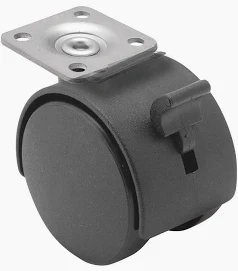
Locking Caster Wheels
Locking Caster Wheels: How Do They Work and When Should You Use Them?
Direct Answer
Locking caster wheels allow furniture, carts, tables, cabinets, and equipment to move when unlocked and remain more stable when the brake is engaged. They are useful when you need both mobility and controlled positioning.
https://jobelservices.co.ke/how-to-choose-office-chair-caster-wheels/
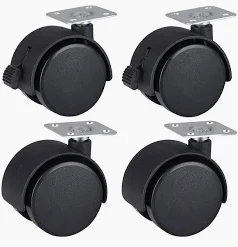
Complete Guide to Locking Caster Wheels
Furniture and equipment often need to move for cleaning, storage, maintenance, or repositioning.
However, mobility can become a problem when the item needs to remain stationary during use.
caster wheels solve this by combining wheel mobility with a braking mechanism.
They are commonly used on:
- Office chairs.
- Mobile tables.
- Trolleys.
- Cabinets.
- Workbenches.
- Equipment stands.
- Storage units.
- Commercial furniture.
Jobel Hardware supplies caster wheels and furniture hardware for residential, office, commercial, and workshop applications across Kenya.
https://primepathsolutions.co.ke/
What Are Locking Caster Wheels?
Locking caster wheels are wheels fitted with a brake mechanism.
When the brake is released, the caster can move.
When the brake is engaged, it restricts movement.
Depending on the design, a brake can lock:
- The wheel rotation.
- The swivel movement.
- Both the wheel and swivel.
The exact mechanism varies by caster model.
How Do Locking Caster Wheels Work?
A typical locking caster works through a simple mechanism.
- The caster moves normally when unlocked.
- You activate the brake.
- The brake engages the wheel or swivel mechanism.
- Movement becomes restricted.
- You release the brake to restore mobility.
The locking mechanism can be operated using a foot pedal, lever, or other control depending on the design.
Types of Locking Caster Wheels
Total Lock Casters
A total lock mechanism can restrict both wheel rotation and swivel movement.
This provides greater stability.
Wheel Lock Casters
These primarily restrict the wheel from rotating.
The caster may still swivel depending on the design.
Directional Lock Casters
Some specialised casters can restrict swivel movement while allowing the wheel to roll in a particular direction.
These are useful for specific equipment applications.
Where Are Locking Caster Wheels Used?
Office Furniture
casters can be useful for mobile office furniture that needs to stay in position.
Workbenches
A workbench can be easier to reposition with casters and more stable when the brakes are engaged.
Mobile Tables
Locking wheels allow a table to be moved and then positioned securely.
Storage Cabinets
Heavy storage units can be easier to reposition when fitted with suitable casters.
Trolleys
Trolley wheels with brakes can help keep the trolley stationary during loading or unloading.
Equipment Stands
Equipment that requires occasional movement can benefit from lockable casters.
Are Locking Caster Wheels Better Than Standard Casters?
Locking casters provide an additional stability feature.
They are useful when you need to move an item and then keep it stationary.
Standard casters may be sufficient when braking is unnecessary.
| Feature | Locking Casters | Standard Casters |
|---|---|---|
| Mobility | Yes | Yes |
| Braking | Yes | Usually no |
| Stability When Locked | Higher | Lower |
| Furniture Use | Excellent | Good |
| Trolleys | Excellent | Good |
| Cost | Usually higher | Usually lower |
How Do You Choose Locking Caster Wheels?
Check the Load Capacity
Calculate the total weight of the furniture or equipment and everything it will carry.
Choose a caster rated for the required load.
Check the Wheel Size
Consider:
- Available space.
- Required clearance.
- Floor condition.
- Desired mobility.
Check the Floor Surface
The wheel material should suit the surface.
Common surfaces include:
- Tiles.
- Concrete.
- Wood.
- Vinyl.
- Carpet.
Choose the Brake Type
If you need maximum stability, consider a caster that locks both the wheel and swivel.
Check the Mounting System
Confirm whether the caster uses:
- Plate mounting.
- Stem mounting.
- Threaded mounting.
- Another mounting configuration.
The mounting system must match the furniture or equipment.
How Do You Measure Caster Wheels?
When replacing existing casters, check several dimensions.
Wheel Diameter
Measure from one side of the wheel to the other.
Wheel Width
Measure the wheel across its width.
Overall Height
Measure from the mounting point to the floor.
Stem Dimensions
For stem-mounted casters, check:
- Stem diameter.
- Stem length.
- Stem design.
Mounting Plate
For plate-mounted casters, measure:
- Plate length.
- Plate width.
- Hole spacing.
How to Install Locking Caster Wheels
A typical installation involves:
- Remove the existing caster.
- Inspect the mounting point.
- Measure the old caster.
- Confirm the replacement specifications.
- Install the new caster.
- Secure the mounting hardware.
- Check that the caster is firmly attached.
- Test the brake.
- Test movement with the brake released.
- Test stability with the brake engaged.
Always verify that the mounting hardware can support the expected load.
Common Locking Caster Problems
Brake Does Not Hold
Possible causes include:
- Worn brake components.
- Incorrect installation.
- Excessive load.
- Damaged mechanism.
Caster Does Not Move When Unlocked
Check for:
- Debris.
- Damaged bearings.
- Brake interference.
- Wheel damage.
Furniture Wobbles
Check whether:
- All casters are the same height.
- The furniture base is level.
- The casters are correctly mounted.
Caster Keeps Coming Loose
Inspect the mounting hardware and furniture base.
Locking Caster Wheels for Heavy Furniture
Heavy furniture requires casters with suitable load ratings.
Examples include:
- Tool cabinets.
- Heavy storage cabinets.
- Workbenches.
- Commercial tables.
- Equipment stands.
Calculate the maximum loaded weight before choosing the caster.
Locking Caster Wheels for Office Chairs
Office chair casters can include braking mechanisms for situations where you want more controlled movement.
Before buying replacement chair casters, check the stem dimensions and chair base compatibility.
Caster Wheels for Tables
Locking casters can make large tables easier to move while allowing you to secure them when positioned.
This is useful for:
- Meeting tables.
- Work tables.
- Training tables.
- Workshop tables.
- Mobile desks.
Benefits of Locking Caster Wheels
Mobility
You can move furniture without lifting it.
Stability
The brake helps prevent unwanted movement.
Easier Cleaning
Mobile furniture can be moved away from walls and other objects.
Flexible Furniture Layouts
Tables and storage units can be repositioned when needed.
Better Control
Locking mechanisms give you greater control over where mobile furniture stays.
Common Installation Mistakes
Avoid:
- Choosing the wrong caster size.
- Exceeding the load capacity.
- Installing mismatched caster heights.
- Using the wrong mounting hardware.
- Ignoring the floor surface.
- Failing to test the brake.
- Using damaged mounting points.
How to Maintain Locking Caster Wheels
- Keep the wheels clean.
- Remove debris from moving components.
- Inspect the brake regularly.
- Check mounting hardware.
- Inspect the wheels for cracks.
- Check bearings and swivel movement.
- Replace damaged casters.
Why Buy Locking Caster Wheels from Jobel Hardware?
Jobel Hardware supplies locking caster wheels and furniture hardware for:
- Office furniture.
- Tables.
- Cabinets.
- Trolleys.
- Workbenches.
- Storage equipment.
- Commercial furniture.
- Workshop applications.
Before purchasing, confirm the wheel size, load capacity, mounting type, wheel material, brake mechanism, and floor compatibility.
Frequently Asked Questions
What are locking caster wheels?
They are caster wheels with a brake mechanism that restricts movement when engaged.
Do locking casters lock the wheel and swivel?
It depends on the caster design. Some lock only the wheel, while total lock casters can restrict both wheel rotation and swivel movement.
Are locking caster wheels suitable for furniture?
Yes. They can be used on tables, cabinets, workbenches, trolleys, and other furniture designed for caster mounting.
How do I know what size locking caster I need?
Measure the wheel diameter, wheel width, overall height, mounting plate or stem, and confirm the required load capacity.
Can locking casters be used on wooden floors?
Yes, provided the wheel material is suitable for the specific floor and the caster is correctly installed.
Do locking caster wheels support heavy loads?
Some models do. Always check the manufacturer’s load rating before selecting a caster for heavy furniture or equipment.
Why won’t my locking caster lock?
The brake mechanism may be worn, damaged, obstructed, incorrectly installed, or overloaded.
Conclusion
Locking caster wheels provide a combination of mobility and stability. They allow furniture and equipment to move when needed and help keep it stationary when the brake is engaged.
The right caster depends on load capacity, wheel size, floor type, mounting method, wheel material, and brake design.
Jobel Hardware supplies locking caster wheels and furniture hardware for residential, office, commercial, and workshop applications across Kenya.
