

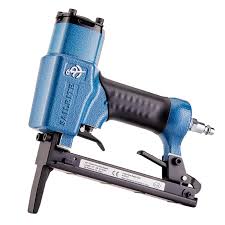
SALI Pneumatic Stapler in Kenya: Is It Right for Your Workshop?
Where Can You Buy a SALI Pneumatic Stapler in Kenya?
If you repair sofas, reupholster office chairs or manufacture furniture, a SALI pneumatic stapler can help you fasten suitable upholstery materials more efficiently than a manual stapler. Jobel Services lists the SALI Pneumatic Stapler compatible with 1006J to 1013J staples in its online shop, making it an option to consider for furniture workshops and upholstery businesses.
Before purchasing, check the staple sizes your projects require, confirm that your air compressor can supply the necessary operating pressure and ensure the tool suits your intended work.
The SALI Pneumatic Stapler is particularly relevant to professionals who regularly attach fabric and other compatible materials to furniture frames. Choosing the correct tool can help improve workflow, reduce repetitive manual effort and support consistent fastening.
You can explore the product through the official Jobel Services shop at https://jobelservices.co.ke/shop/.
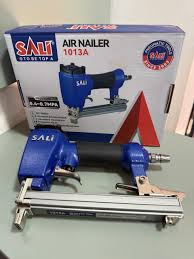
What Is a SALI Pneumatic Stapler?
A SALI pneumatic stapler is a compressed-air-powered fastening tool designed to drive compatible staples into suitable materials. Unlike a manual stapler, which relies on hand pressure, a pneumatic model uses air supplied by a compressor to operate its firing mechanism.
This type of tool can be useful in upholstery workshops, furniture manufacturing and other applications where repeated fastening is required.
The SALI Pneumatic Stapler listed by Jobel Services is specified for 21-gauge crown staples in sizes from 6 mm to 13 mm, including the 1006J, 1008J, 1010J and 1013J designations. Always confirm the precise staple specification before purchasing consumables.
The tool requires a compatible compressed-air supply. Therefore, you should evaluate the stapler and your compressor together rather than buying the tool without checking your workshop setup.
https://www.jobelgeneralhardware.com/shop
What Can You Use a SALI Pneumatic Stapler For?
The suitability of the stapler depends on the material, staple size and requirements of the particular project.
1. Sofa Upholstery
Upholstery professionals often need to secure fabric to suitable wooden furniture frames. A pneumatic stapler can help with repeated fastening during reupholstery work.
For example, when recovering a sofa, the technician may need to secure upholstery fabric around suitable frame sections. The correct staple length and careful positioning help achieve a neat finish.
However, the staple must suit the fabric, underlying material and fastening requirements. Avoid using a staple length that could penetrate an unintended surface.
2. Office Chair Repairs
Office chair repair workshops may use pneumatic staplers for suitable upholstery tasks involving fabric and compatible supporting materials.
When replacing worn chair upholstery, the technician must secure the covering without damaging the seat structure or interfering with the chair’s mechanisms.
A pneumatic stapler can make repetitive fastening more convenient, but it is not suitable for every part of an office chair. Always assess the construction and follow an appropriate repair method.
3. Furniture Manufacturing
Furniture makers may use pneumatic staplers during selected assembly and upholstery operations.
The tool can help speed up repetitive fastening when the material and staple specification are compatible. However, it should not replace screws, bolts or other structural fasteners where the furniture design requires them.
4. Cabinet and Woodworking Projects
Some cabinet-making and woodworking tasks involve fastening thin panels, backing materials or upholstery-related components.
Before using a pneumatic stapler, confirm that the staple can penetrate the material correctly without splitting the wood or damaging the finished surface.
For structural joints, use the fastening method specified for the project.
5. Workshop Repair Tasks
A pneumatic stapler may also support suitable repair and finishing work where small crown staples are appropriate.
Nevertheless, the tool is not a universal fastening solution. Check the material thickness, staple requirements and tool specifications before beginning a new application.
What Are the Key Specifications of the SALI Pneumatic Stapler?
Jobel Services’ product listing provides several specifications that buyers should understand before purchasing.
| Specification | Listed details |
|---|---|
| Staple type | 21-gauge crown staples |
| Compatible staple sizes | 6 mm to 13 mm |
| Listed staple designations | 1006J, 1008J, 1010J and 1013J |
| Magazine capacity | 120 staples |
| Operating pressure | 60–100 psi |
| Air inlet | Standard 1/4-inch connection |
| Listed weight | Approximately 0.8 kg |
Confirm these details against the current product listing and manufacturer documentation before use. Do not assume that every staple with a similar length will fit the tool.
What Does Staple Compatibility Mean?
Staple compatibility refers to the specific staple type and dimensions that the tool is designed to accept.
The SALI model is listed for 21-gauge crown staples within the stated size range. The designation matters because staples can differ in crown width, wire dimensions and leg length.
Using the wrong staple can cause feeding problems, jams or poor fastening.
Before ordering staples, check the exact designation and dimensions required by the tool.
Why Does Operating Pressure Matter?
A pneumatic stapler needs sufficient air pressure to operate according to its specifications.
The listed operating range is 60–100 psi. Your compressor must be capable of supplying the required pressure while maintaining suitable airflow for the work.
Pressure that is too low may result in incomplete fastening. Incorrect settings can also create safety risks or damage materials.
Follow the manufacturer’s instructions for setting pressure and testing the tool on scrap material before starting the main project.
How Do You Choose the Right Pneumatic Stapler for Your Business?
The best tool is one that matches your daily workload, materials and available equipment.
1. Identify Your Main Applications
Start by listing the tasks you perform most often.
Do you mainly repair office chairs, reupholster sofas, manufacture furniture or complete small woodworking projects?
Your answer helps determine the staple type, staple length and tool specifications you need.
For example, an upholstery workshop that frequently secures fabric may have different requirements from a business that assembles wooden furniture frames.
2. Confirm Staple Availability
A compatible stapler is only useful if you can obtain the correct consumables.
Before purchasing, confirm the availability of the staple designations required for your work. Consider the quantities you use and how frequently you will need replacements.
Ask Jobel Services about compatible staples and confirm their specifications before ordering.
3. Check Your Air Compressor
A pneumatic tool requires an appropriate compressed-air supply.
Check the compressor’s pressure rating, airflow capacity and connection requirements. Also consider how many other pneumatic tools operate from the same supply.
If you are buying your first pneumatic stapler, make sure you understand the compressor requirements before committing to the purchase.
4. Consider Weight and Handling
The listed tool weight is approximately 0.8 kg. Even a relatively lightweight tool can cause fatigue during prolonged use.
Consider how frequently you will operate the stapler, the positions in which you work and whether you need to reach around large furniture pieces.
Good handling technique, appropriate work positioning and regular breaks can help make repetitive work more manageable.
5. Evaluate Magazine Capacity
The product listing specifies a magazine capacity of 120 staples.
A suitable magazine capacity can reduce the frequency of reloading during repetitive tasks. However, actual productivity also depends on staple compatibility, workpiece preparation and the operator’s technique.
Choose a tool that fits your workload rather than relying on magazine capacity alone.
6. Compare Total Operating Costs
The purchase price is only one part of the cost of using a pneumatic stapler.
Consider the cost of compatible staples, compressor operation, routine maintenance and any accessories required for your setup.
For a professional workshop, compare these expenses with the expected workload and the time saved during repeated fastening.
What Is the Difference Between a Pneumatic Stapler and a Manual Stapler?
Both tools fasten materials using staples, but they operate differently.
| Feature | Pneumatic stapler | Manual stapler |
|---|---|---|
| Power source | Compressed air | Hand pressure |
| Repetitive fastening | Can be convenient for frequent use | May require more repetitive effort |
| Equipment requirements | Requires a compatible air supply | Usually requires no compressor |
| Initial setup | Requires pressure and connection checks | Generally simpler to prepare |
| Best use | Suitable repeated fastening tasks, depending on specifications | Occasional or smaller fastening tasks, depending on design |
A pneumatic stapler may be a practical choice for a busy upholstery workshop. However, a manual tool may be sufficient for occasional repairs or projects that require relatively few staples.
Compare your actual workload before deciding which tool offers better value.
How Do You Use a SALI Pneumatic Stapler Safely?
Pneumatic staplers can cause serious injuries if handled incorrectly. Read the manufacturer’s instructions and use the specified safety equipment.
Follow these basic precautions.
Step 1: Inspect the Tool
Before connecting the air supply, check the body, magazine, trigger, nose assembly and air connection for visible damage.
Do not use a tool with damaged components or an air connection that cannot be secured correctly.
Step 2: Check the Staples
Load only the staple type and dimensions specified for the tool.
Incorrect staples can cause jams or unreliable fastening. Keep the magazine closed and secured according to the manufacturer’s instructions.
Step 3: Connect the Air Supply
Use a compatible hose and connection. Set the pressure according to the tool’s instructions and the requirements of the task.
Never exceed the manufacturer’s maximum pressure.
Step 4: Wear Suitable Protective Equipment
Use appropriate eye protection. Depending on the environment, hearing protection may also be necessary.
Keep your hands and other body parts away from the firing area.
Step 5: Test on Scrap Material
Before working on the actual furniture, test the tool on a similar scrap material.
Check that the staple penetrates correctly and does not emerge through an unintended surface.
Adjust the setup only according to the manufacturer’s guidance.
Step 6: Maintain Control During Use
Keep the nose of the tool positioned against the intended work surface as directed by the manufacturer.
Never point the tool towards yourself or another person. Do not carry it with your finger on the trigger.
Step 7: Disconnect Before Clearing Jams
Disconnect the air supply before clearing a jam, performing maintenance or making adjustments that require the tool to be disabled.
Follow the manufacturer’s procedure. Never assume that a tool is safe merely because it appears not to be firing.
Important: Do not use a pneumatic stapler on materials or in applications for which it is not designed. A staple that penetrates through the workpiece can cause injury or damage.
How Do You Maintain a Pneumatic Stapler?
Routine maintenance helps keep the tool in suitable working condition.
- Clean the magazine and remove debris according to the instructions.
- Inspect the air hose and connections for damage.
- Use only the lubricant and quantity recommended by the manufacturer.
- Drain compressor moisture according to the compressor manufacturer’s instructions.
- Check for air leaks or unusual operating behaviour.
- Store the tool in a clean, dry location.
- Disconnect the air supply before servicing or clearing jams.
Do not disassemble pressure-related components unless the manufacturer’s instructions permit it and you have the necessary skills.
If the tool develops recurring jams, air leaks or inconsistent fastening, stop using it until the problem has been identified.
What Mistakes Should You Avoid When Buying a SALI Pneumatic Stapler?
Buying Without Checking Staple Compatibility
Staples that look similar may not fit the magazine. Confirm the gauge, crown dimensions and compatible staple designations.
Ignoring Compressor Requirements
A compressor that cannot maintain the required operating pressure may prevent the tool from working as intended.
Using the Wrong Staple Length
Staples that are too long may penetrate through the material, while unsuitable shorter staples may not provide the required fastening.
Choose the length according to the material and the job.
Treating the Tool as a Universal Fastener
A pneumatic stapler is not a replacement for every screw, nail or bolt. Use it only where staples are appropriate.
Neglecting Safety Instructions
Compressed-air tools require careful handling. Read the operating instructions and disconnect the air supply before servicing or clearing jams.
Buying Without Planning for Consumables
Check the supply of compatible staples before purchasing the tool. Reliable access to the correct consumables helps reduce interruptions during work.
Where Can You Buy a SALI Pneumatic Stapler in Nairobi?
Jobel Services lists the SALI Pneumatic Stapler compatible with 1006J–1013J staples in its online shop.
Visit https://jobelservices.co.ke/shop/ to view the product and confirm the latest product information.
The stapler may be worth considering if you regularly work on upholstery, furniture repairs or compatible woodworking tasks. Before ordering, confirm the current price, stock status, staple compatibility and air-pressure requirements.
For a more accurate enquiry, share the following information:
- The type of work you perform
- The staple sizes you currently use
- Your compressor’s specifications
- The quantity of tools required
- Whether you also need compatible staples
You can also visit Jobel Services at Gikomba, Beaver House, opposite NCBA Bank, Nairobi.
Discuss your requirements with the seller before purchasing so that you can confirm whether the tool suits your workshop.
Frequently Asked Questions About the SALI Pneumatic Stapler
What staples does the SALI Pneumatic Stapler use?
The Jobel Services listing specifies 21-gauge crown staples in sizes from 6 mm to 13 mm, including 1006J, 1008J, 1010J and 1013J. Confirm the exact compatibility details before purchasing staples.
Can I use the SALI Pneumatic Stapler for sofa upholstery?
It may suit compatible upholstery fastening tasks. The correct staple length and material compatibility are important, and the tool should be used according to its specifications.
Can the stapler be used for office chair repairs?
It can be useful for suitable upholstery work on office chairs. However, it should not be used indiscriminately on chair mechanisms, metal components or areas where staples are not the correct fastening method.
Does the SALI Pneumatic Stapler require an air compressor?
Yes. It is a pneumatic tool that requires a compatible compressed-air supply. Check that your compressor meets the specified operating pressure and connection requirements.
What operating pressure does the stapler require?
The product listing specifies an operating range of 60–100 psi. Follow the manufacturer’s instructions and do not exceed the permitted maximum pressure.
Is a pneumatic stapler better than a manual stapler?
It can be more convenient for repeated fastening in a busy workshop. A manual stapler may be sufficient for occasional jobs. Your workload, materials and available equipment should guide the decision.
Where can I buy the SALI Pneumatic Stapler in Kenya?
Jobel Services lists the SALI Pneumatic Stapler in its online shop. Visit https://jobelservices.co.ke/shop/ or enquire at Gikomba, Beaver House, opposite NCBA Bank, Nairobi. Confirm current pricing and availability before ordering.
Conclusion: Choose the Right Pneumatic Stapler for Your Workshop
The SALI Pneumatic Stapler is an option for upholstery professionals, furniture repair technicians and other users who need a compatible compressed-air fastening tool.
Before buying, check the staple specifications, compressor requirements, magazine capacity and intended applications. Consider the cost of compatible staples and follow the manufacturer’s safety and maintenance instructions.
Looking for a SALI Pneumatic Stapler in Kenya? Visit the Jobel Services online shop or enquire in person at Gikomba, Beaver House, opposite NCBA Bank, Nairobi.
Explain your workshop requirements and confirm the tool’s current price, availability and compatibility before purchasing.
