

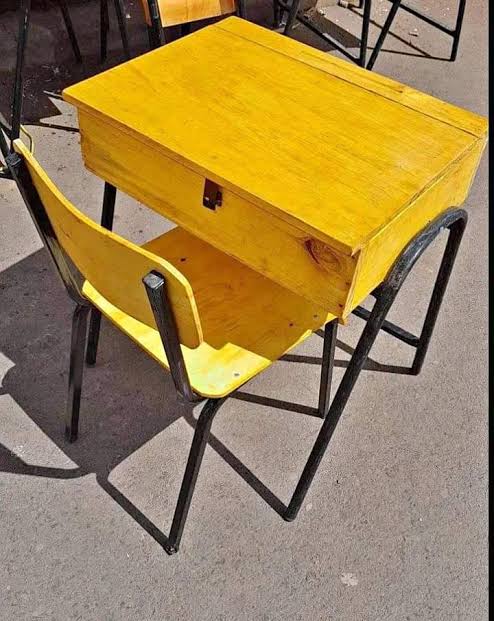
School Desks: How Do You Choose the Right Ones?
School Desks: What Should You Consider Before Buying?
If you need to buy school desks in Kenya, choose desks that provide learners with enough space to write, read, use textbooks, and complete classroom activities comfortably. The right school desks should suit the learners’ age, fit the classroom layout, withstand daily use, and remain practical to maintain.
Whether you are furnishing a nursery school, primary school, secondary school, college, or tuition centre, compare desk dimensions, construction, materials, and seating arrangements before placing an order. A suitable choice can help you use classroom space efficiently while providing learners with functional work surfaces.
Jobel Services serves customers looking for furniture and workspace solutions in Nairobi. Before buying school desks, establish the number required, measure the classroom, and determine the type of furniture that suits your learners.
Use these factors to guide your purchase:
- Learner age: Select dimensions appropriate for the intended age group.
- Durability: Check the frame, joints, desktop, and overall stability.
- Desk design: Decide whether individual desks or shared desks suit your classroom.
- Classroom space: Allow room for seating, movement, and access to doors.
- Materials: Compare the surface finish and structural construction.
- Maintenance: Choose furniture that staff can clean and inspect easily.
- Budget: Consider the total cost of furnishing the classroom, not just the price of one desk.
For enquiries, contact Jobel Services at Gikomba, Beaver House, opposite NCBA Bank, Nairobi. You can share classroom measurements, photos, and the number of desks required to help discuss suitable options.
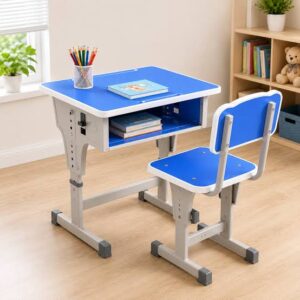
https://jobelservices.co.ke/product/office-desk/
What Are School Desks?
School desks are work surfaces designed for learners to use during lessons, examinations, reading, writing, and other educational activities. Depending on the design, they may be individual desks, shared desk-and-seat units, or separate desks paired with classroom chairs.
Schools use different desk designs to suit learners at various stages of education. Younger children may need smaller furniture, while older students often require more space for textbooks, exercise books, and examination papers.
The right school desk should match the classroom’s intended use. For example, a nursery classroom may need compact furniture suited to young children, while a secondary school may require larger individual desks for written assignments and examinations.
https://primepathsolutions.co.ke/shop/
Why Are Quality School Desks Important?
1. They Provide Practical Learning Surfaces
Learners need enough space to write, read, and organise their materials. A suitably sized desk allows them to work without constantly moving books and stationery to make room.
For classrooms where students use several textbooks, exercise books, and worksheets, surface size becomes especially important.
2. They Support Classroom Organisation
The right desk design helps teachers arrange learners according to classroom activities. Individual desks can support separate work, while shared desks may suit activities that require learners to work together.
A consistent furniture layout can also make it easier to organise classroom rows and maintain clear walking routes.
3. They Withstand Everyday Use
School furniture experiences frequent movement, repeated cleaning, and regular use by many learners. Strong construction can help reduce problems such as loose joints, unstable frames, and damaged desktop surfaces.
However, durability depends on the materials, manufacturing quality, assembly, and maintenance. Inspect these factors instead of relying on appearance alone.
4. They Help Schools Use Space Efficiently
Classrooms have limited floor space. Choosing desks with suitable dimensions helps schools accommodate learners while preserving access to doors, teaching areas, and walkways.
Before purchasing, plan the layout using the actual classroom measurements and the dimensions of the proposed furniture.
5. They Can Simplify Maintenance
Desks with practical surfaces and sturdy construction can be easier to clean and maintain. Regular inspection also helps school staff identify loose fittings, damaged edges, or unstable frames before these problems become more serious.
What Types of School Desks Can You Choose?
Different educational settings require different furniture designs. Consider these common options when planning your purchase.
1. Individual School Desks
Individual school desks provide a separate work surface for each learner. They suit classrooms where students need personal space for writing, reading, and examinations.
They also allow schools to rearrange classroom layouts more easily, depending on the desk design and weight.
Before buying, check whether the desks will be used with separate chairs or as part of a combined desk-and-seat unit.
2. Shared School Desks
Shared desks accommodate two or more learners at one work surface. They can be useful where classroom space, budget, and teaching arrangements support shared seating.
However, the desk must provide adequate room for every learner. Compare the available surface area with the number of students expected to use it.
3. Desk-and-Bench Units
These units combine a desktop with an attached bench. They can create a consistent classroom arrangement and reduce the need to purchase separate desks and chairs.
Before selecting this design, consider the learners’ ages, seating dimensions, ease of cleaning, and classroom layout. Confirm that the furniture provides suitable support for the intended users.
4. Nursery School Desks
Nursery school desks are intended for younger children. They should have dimensions suited to the learners and a stable design appropriate for everyday classroom activities.
Check the edges, joints, stability, and surface finish carefully. Also, choose furniture that teachers can clean easily and arrange according to the classroom’s learning activities.
5. Primary School Desks
Primary school desks should provide enough space for exercise books, textbooks, and writing materials. The suitable dimensions will depend on the age group and the design of the classroom.
If one school serves several age groups, consider whether different desk sizes are necessary instead of selecting a single size for every learner.
6. Secondary School Desks
Secondary school desks may need larger work surfaces for textbooks, notebooks, calculators, and examination papers.
Individual desks can be useful where learners complete independent assignments or examinations. Check the dimensions and legroom to ensure that students can work comfortably.
7. Computer Classroom Desks
Computer classroom desks support digital learning and computer-based instruction. They may need space for monitors, keyboards, mice, and associated cables.
Before buying, measure the equipment and check the desktop dimensions. Plan safe cable routing and adequate ventilation for desktop computers.
8. Training and Examination Desks
Training centres and examination facilities may require desks that support focused individual work. Depending on the use, separate desks may make it easier to rearrange seating between lessons, examinations, and group activities.
Choose the design according to the room size, number of users, and required desk layout.
How Do You Choose the Right School Desks?
A careful assessment helps schools avoid purchasing unsuitable furniture.
1. Establish the Number of Desks Required
Start by determining how many learners will use the classroom. Then decide whether you need individual desks, shared desks, or desk-and-bench units.
Do not calculate quantities using the classroom’s floor area alone. You must also account for furniture dimensions, teacher access, walkways, doors, and other classroom requirements.
If you are furnishing several classrooms, prepare a separate count for each room. This helps you plan quantities and identify differences between age groups.
2. Measure the Classroom
Measure the room’s length and width. Record the positions of doors, windows, pillars, cupboards, and other fixed features.
Next, estimate the space needed for each desk and its seating arrangement. Allow enough room for learners and teachers to move around safely.
For bulk orders, draw a simple floor plan or take clear photographs of the classroom. Share these details when discussing furniture options with a supplier.
3. Choose Dimensions for the Learners’ Age Group
Desk height and seating dimensions should suit the intended users. A desk designed for older students may be too high for young children.
When choosing school furniture, consider:
- The learners’ approximate ages and heights.
- The height of the desktop.
- The seating arrangement.
- The available legroom.
- The space required for books and writing materials.
If the furniture will serve several age groups, assess whether separate sizes would provide a better fit.
4. Inspect the Construction
School desks must withstand regular use. Check the desktop, frame, joints, fasteners, and supporting structure.
Look for unstable legs, loose connections, rough edges, and surfaces that appear poorly finished. If possible, inspect a sample before ordering a large quantity.
A low purchase price may not provide good value if the furniture requires frequent repairs or early replacement.
5. Compare Desktop Materials
The best material depends on the intended use, budget, and maintenance requirements.
Engineered wood: Often provides an economical option for classroom furniture. Check the edge finishing and resistance to everyday wear.
Solid wood: Can provide a traditional appearance and durability, depending on the wood, construction, and finish.
Metal frames: Can provide structural support when properly designed and assembled. Inspect joints and the finish for potential damage.
Laminated surfaces: Can be practical for regular cleaning when the finish and edges are suitable for classroom use.
Regardless of the material, choose a design that can withstand the expected workload and be maintained appropriately.
6. Consider Storage Requirements
Some school desks include compartments or storage space for books and stationery. Others provide only a desktop.
Decide whether learners need to store materials at their desks or use shared classroom shelves and cupboards.
Built-in storage can be useful, but it may add weight or reduce legroom. Compare the benefits with the available classroom space.
7. Plan for Cleaning and Maintenance
School furniture needs regular cleaning. Select surfaces that staff can maintain using suitable cleaning methods.
Check whether the desk design allows easy access to corners and supporting structures. Also, consider whether loose screws and other fittings can be inspected and tightened without difficulty.
Establish a maintenance routine after installation to help identify damage early.
8. Evaluate the Total Purchase Cost
When buying school desks in bulk, compare more than the unit price.
Consider the number of desks, required sizes, transport, assembly, and any additional furniture needed. Also, confirm the seller’s current pricing, availability, and delivery arrangements.
For a large school project, request a quotation based on the actual quantities and specifications. This helps you plan the budget more accurately.
How Do You Choose School Desks for Different Educational Levels?
Nursery Schools
Prioritise furniture with suitable dimensions, stable construction, and carefully finished edges. The desk should support activities such as drawing, reading, and basic writing.
Primary Schools
Choose desks that accommodate exercise books, textbooks, and writing materials. Check dimensions for the particular age group rather than assuming all primary-school learners require identical furniture.
Secondary Schools
Consider larger work surfaces for textbooks, revision materials, calculators, and examinations. Individual desks may be appropriate where independent work is common.
Colleges and Training Institutions
Students may need space for notebooks, laptops, and reference materials. Select desk designs according to the type of training, classroom layout, and expected equipment.
Computer Laboratories
Computer rooms require additional planning for equipment dimensions, electrical access, and cable management. Confirm that the furniture supports the computers safely and leaves sufficient room for learners.
School Desks vs Study Desks: What Is the Difference?
Although the terms overlap, school desks and study desks are often selected for different environments.
| Feature | School Desks | Study Desks |
|---|---|---|
| Main setting | Classrooms and educational institutions | Homes, bedrooms, and individual study areas |
| Users | Often multiple learners across classrooms | Usually an individual learner |
| Purchase quantity | May involve bulk orders | Often one or a few desks |
| Design priorities | Classroom layout, durability, and learner requirements | Personal space, comfort, and storage |
| Arrangement | Individual, shared, or desk-and-bench layouts | Usually arranged around one learner |
A study desk can work in a school if its dimensions, construction, and intended use are appropriate. Likewise, a school desk can suit home learning when it fits the learner and available space.
Choose according to actual requirements rather than the product label alone.
Common Mistakes to Avoid When Buying School Desks
Buying One Size for Every Age Group
Younger children and older students may require different desk dimensions. Assess the intended users before ordering.
Ignoring Classroom Measurements
Too many desks can obstruct movement and make the room difficult to use. Measure the classroom and plan the layout before purchasing.
Focusing Only on the Price
Low-cost furniture may not provide the durability required for frequent classroom use. Compare construction, materials, and maintenance requirements alongside price.
Overlooking Stability and Finishing
Unstable frames, loose fittings, and rough edges can create maintenance and safety concerns. Inspect the furniture before accepting a bulk delivery.
Ordering the Wrong Quantity
Estimate the number of learners and the furniture arrangement before confirming quantities. For multiple classrooms, calculate each room’s needs separately.
Failing to Plan Delivery and Assembly
Large furniture orders may require coordinated transport and assembly. Confirm these arrangements before finalising the purchase.
How Do You Maintain School Desks?
Regular maintenance can extend the useful life of school furniture.
- Clean desktops using products suitable for the material.
- Remove spills promptly.
- Check screws, joints, and supporting frames periodically.
- Repair loose fittings before the desk becomes unstable.
- Avoid dragging heavy furniture unnecessarily.
- Inspect damaged surfaces and rough edges.
- Follow the manufacturer’s assembly and maintenance instructions.
Schools should also encourage learners to use furniture appropriately. Routine inspections help staff identify problems and arrange repairs before minor issues become more costly.
Where Can You Buy School Desks in Kenya?
If you are sourcing school desks in Kenya, start by identifying the learner age groups, quantities, classroom dimensions, and preferred furniture design. Then compare available options based on construction, surface materials, dimensions, and maintenance requirements.
Jobel Services, located at Gikomba, Beaver House, opposite NCBA Bank, Nairobi, serves customers looking for furniture and workspace solutions.
When making an enquiry, prepare the following information:
- The number of desks required.
- The type of institution and learners’ age groups.
- Classroom dimensions or a simple floor plan.
- Your preferred desk style and materials.
- Any storage requirements.
- Your budget and delivery needs.
For bulk orders, share classroom photographs and measurements before requesting a quotation. Also confirm the current price, availability, delivery arrangements, and any assembly requirements directly with the seller.
Ready to source school desks? Contact Jobel Services to discuss your classroom furniture requirements. By providing your quantities, measurements, and preferred design, you can have a more focused conversation about suitable options for your institution.
Frequently Asked Questions About School Desks
1. Which school desks are best for primary schools?
Choose desks with suitable dimensions for the learners, enough writing space, stable construction, and surfaces that staff can maintain easily. Requirements may vary between lower and upper primary classes.
2. How do I choose school desks for secondary schools?
Consider desktop size, learner dimensions, classroom layout, and durability. Desks should provide adequate room for textbooks, exercise books, and examination papers.
3. Are individual desks better than shared school desks?
Neither option is best for every classroom. Individual desks provide separate work surfaces and flexible arrangements, while shared desks may accommodate several learners efficiently. Choose according to teaching needs, classroom space, and budget.
4. What materials are suitable for school desks?
Engineered wood, solid wood, metal-supported designs, and laminated surfaces can all be suitable, depending on their construction and intended use. Inspect the materials and finish before purchasing.
5. How many school desks can fit in a classroom?
The number depends on classroom dimensions, desk size, seating arrangements, and the space required for movement and access. Measure the room and plan the layout before deciding on quantities.
6. Can I buy school desks in bulk in Kenya?
You can enquire about bulk purchasing options. Provide the required quantity, desk specifications, classroom measurements, and delivery location when requesting a quotation.
7. How often should school desks be inspected?
Inspect desks regularly as part of routine classroom maintenance. Check for loose fittings, unstable frames, damaged surfaces, and rough edges. The inspection frequency should reflect how heavily the furniture is used.
8. What should I confirm before ordering school desks?
Confirm the dimensions, materials, construction, quantities, price, availability, delivery arrangements, and any assembly requirements. For large orders, inspect a sample where possible.
Conclusion: Choose School Desks That Meet Classroom Needs
The right school desks provide practical work surfaces, support classroom organisation, and help schools make effective use of available space. Before buying, assess the learners’ ages, classroom dimensions, desk construction, materials, and required quantities.
For schools and training institutions, planning the layout before placing a bulk order can help prevent costly sizing and space problems.
For school desk enquiries in Nairobi, contact Jobel Services at Gikomba, Beaver House, opposite NCBA Bank. Share your classroom measurements, photographs, quantities, and specifications to discuss suitable options.
