

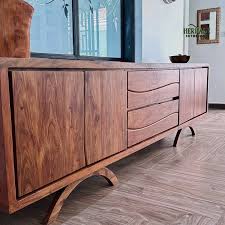
TV Stands: How Do You Choose the Right One?
Where Can You Buy TV Stands in Kenya?
If you need to buy TV stands in Kenya, choose one that supports your television safely, fits your room, and provides enough space for your entertainment equipment. The right TV stand should match your television’s size and weight, offer practical storage, manage cables neatly, and complement your existing furniture.
Jobel Services serves customers looking for furniture and related hardware products in Nairobi. Before buying a TV stand, compare its dimensions, construction, weight capacity, storage compartments, and compatibility with your television.
For example, a compact stand may suit a bedroom, while a wider unit with drawers and shelves may work better in a living room. An office reception area may need a simple design that keeps the television and cables organised without occupying too much space.
Measure your television and the intended installation area before purchasing. These details will help you narrow down suitable options and avoid choosing a stand that is too small, unstable, or difficult to use.
https://jobelservices.co.ke/product/mahogany-tv-stand/
What Is a TV Stand?
A TV stand is a furniture unit designed to support a television and, depending on its design, store related equipment and accessories.
Many TV stands include shelves, drawers, cupboards, or open compartments. These features can accommodate devices such as decoders, gaming consoles, streaming devices, speakers, remote controls, and cables.
Some designs focus on basic television support, while others combine a TV platform with extensive storage or decorative shelving.
TV stands are suitable for:
- Living rooms and family entertainment areas.
- Bedrooms and guest rooms.
- Offices and reception areas.
- Hotels and furnished accommodation.
- Conference rooms and waiting areas.
- Gaming and home entertainment spaces.
The best option depends on your television, available space, equipment, and preferred layout.
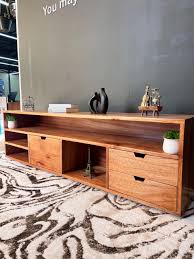
https://primepathsolutions.co.ke/shop/
Why Should You Choose the Right TV Stand?
A suitable TV stand improves safety, organisation, and the appearance of your entertainment area.
1. Provide Stable Television Support
Your TV stand must support the television’s weight and dimensions. A stand that is too narrow, weak, or unstable may create a risk of tipping or damage.
Always check the manufacturer’s weight rating and compatibility requirements before placing your television on the unit.
2. Keep Entertainment Equipment Organised
A TV stand with shelves or cupboards can help you arrange decoders, consoles, speakers, and accessories.
As a result, your entertainment area becomes easier to clean and maintain.
3. Improve Cable Management
Televisions often require power cables and connections to other devices. Some TV stands include cable openings or concealed compartments to reduce visible wiring.
Good cable management makes the area neater and can also help prevent cables from becoming tangled or accidentally pulled.
4. Make Better Use of Space
A well-designed TV stand combines television support with useful storage. This can reduce the need for additional cabinets or shelves.
For smaller rooms, a compact unit may provide enough storage without obstructing walkways.
5. Complement Your Interior
TV stands come in different colours, finishes, and designs. Choosing a unit that matches your other furniture can help create a coordinated living room, bedroom, or reception area.
However, prioritise stability and suitability before selecting a design based only on appearance.
What Types of TV Stands Can You Buy?
Different TV stands suit different televisions, rooms, and storage requirements.
1. Basic TV Stands
Basic TV stands provide a surface for placing a television. Some include a lower shelf for a decoder or other equipment.
They are suitable when you need straightforward television support without extensive storage.
Before purchasing, check the stand’s dimensions, weight capacity, and compatibility with the television’s feet or base.
2. TV Stands With Drawers
TV stands with drawers provide concealed storage for remote controls, cables, gaming accessories, and other small items.
They can help keep frequently used accessories organised and out of sight.
Check the drawer dimensions and opening clearance, especially if the stand will sit close to a sofa, wall, or other furniture.
3. TV Stands With Cupboards
Cupboard-style TV stands offer enclosed storage for selected equipment and accessories.
They are useful when you want to reduce visible clutter. However, ensure that enclosed compartments provide adequate ventilation for electronic equipment that produces heat.
4. TV Stands With Open Shelves
Open-shelf TV stands provide convenient access to decoders, consoles, speakers, and other devices.
They may also improve ventilation around equipment. However, the contents remain visible and may collect dust more easily.
5. Modern TV Console Units
TV console units often feature a wide horizontal design with storage compartments and a coordinated finish.
They can suit living rooms and entertainment areas where the television is a central feature.
Measure the available wall space and confirm that the unit will not obstruct doors, walkways, or nearby furniture.
6. Corner TV Stands
Corner TV stands are designed for placement in suitable corners. They can help use space that might otherwise remain empty.
However, check the television’s viewing angle and the stand’s shape. Not every corner unit provides enough width or depth for every television.
7. TV Stands With Additional Shelving
Some TV stands combine a television platform with side shelves or vertical storage sections.
These units can accommodate books, decorative items, speakers, or accessories. Nevertheless, make sure the complete unit fits the room without making the entertainment area feel crowded.
8. Wall-Mounted TV Units
Wall-mounted TV units attach to a suitable wall and may combine a mounted television with floating shelves or cabinets.
They can free up floor space, but installation requires appropriate wall construction and fixings. Confirm the combined load, mounting method, and cable routing before installation.
A wall-mounted TV unit is not the same as a freestanding TV stand, so choose according to your room layout and installation preferences.
How Do You Choose the Right TV Stand?
Before buying TV stands, compare the following factors to find a suitable option.
1. Match the Stand to Your TV Size
Start by checking your television’s screen size and overall dimensions.
Screen size is measured diagonally, so two televisions with the same advertised screen size may have slightly different widths and base dimensions.
Measure the actual television and compare it with the stand’s usable top surface. The television should sit securely according to the manufacturer’s instructions, with appropriate support for its feet or base.
A wider stand may also provide more space for accessories and create a balanced appearance.
2. Check the Weight Capacity
Never assume that a TV stand can support every television size.
Check the manufacturer’s maximum load and compare it with the television’s weight. If you plan to place speakers or other equipment on the same surface, confirm whether the stand’s rating accounts for your intended arrangement.
Inspect the stand’s frame, joints, legs, and support panels. Avoid units that wobble, have damaged components, or lack clear suitability for the intended load.
3. Measure Your Available Space
Measure the width, height, and depth of the area where the TV stand will sit.
Also, consider nearby sofas, doors, windows, power outlets, and walkways. Leave enough space to access storage compartments and connect equipment.
For small rooms, a compact or corner unit may be appropriate. Larger rooms may accommodate a wider console with additional storage.
4. Choose the Right Height
The stand’s height affects the television’s viewing position.
For comfortable viewing, consider the height of your seating and where your eyes naturally fall when seated. The centre of the screen should generally be near seated eye level, although the ideal position depends on your room and viewing setup.
Avoid placing the television so high that you regularly need to tilt your head upward.
5. Decide How Much Storage You Need
List the equipment and accessories you intend to keep near the television.
For example, you may need room for:
- A decoder or streaming device.
- A gaming console.
- A soundbar or speakers.
- Remote controls and cables.
- Gaming accessories.
- DVDs, books, or decorative items.
Choose a stand with sufficient shelf space, drawer capacity, or cupboard storage. If you own several electronic devices, check the compartment dimensions before buying.
6. Consider Cable Management
Cable openings and routing channels can help keep television connections organised.
Check whether the stand provides suitable access for power cables, HDMI connections, aerial cables, and other required connections.
Make sure cables will not be pinched behind the unit or stretched tightly between devices. Keep electrical connections accessible and follow the equipment manufacturer’s ventilation and safety instructions.
7. Select a Suitable Material
TV stands may use solid wood, engineered wood, metal, glass, or combinations of these materials.
- Solid wood: Can offer a natural appearance and durability, depending on construction and maintenance.
- Plywood: Quality plywood can provide useful strength and stability.
- MDF: Often provides smooth surfaces for painted or laminated finishes, but needs protection from excessive moisture.
- Particleboard: Can be an economical option, although strength depends on its grade, thickness, and construction.
- Metal: Can provide a strong frame when properly designed and rated.
- Glass: May feature in decorative designs, but requires careful attention to load ratings and safe construction.
Compare the complete unit rather than choosing solely by colour or surface finish.
8. Check Ventilation
Decoders, gaming consoles, and other electronic devices may generate heat during operation.
If you plan to place them inside cupboards, check whether the compartments provide adequate ventilation. Avoid blocking vents or placing equipment in a tightly enclosed space unless the manufacturer permits it.
Open shelves may be more suitable for devices that require greater airflow.
9. Choose a Design That Matches Your Room
Consider the colour, finish, shape, and proportions of your existing furniture.
A simple unit may suit a compact bedroom, while a wider console can complement a spacious living room. For offices and reception areas, a clean and practical design may be more appropriate.
Ensure that decorative features do not compromise stability, storage access, or cable management.
Which TV Stand Is Best for a Small Living Room?
Small living rooms benefit from compact furniture that serves more than one purpose.
Consider a narrow console, a corner TV stand, or a unit with built-in shelves. These designs can provide television support and storage while limiting the amount of floor space used.
Before buying, measure the wall and the distance between nearby furniture. Also, check the television’s viewing angle from the main seating position.
Avoid choosing a unit that blocks a walkway or makes it difficult to open doors and cupboards.
If you have several entertainment devices, prioritise practical storage and ventilation instead of selecting a stand based only on its compact size.
How Do You Choose a TV Stand for a Bedroom?
Bedroom TV stands should fit the room without obstructing movement around the bed or wardrobe.
First, measure the available space and check the height of the television relative to your usual viewing position.
Next, decide whether you need storage for a decoder, remote controls, gaming accessories, or other devices.
A compact stand may be sufficient for a small bedroom. If you have limited floor space, consider whether a suitable wall-mounted arrangement would work better.
Also, ensure that the television and stand remain stable, especially where people may walk close to the unit.
What Should You Consider When Buying a TV Stand for an Office?
Offices may use TV stands for presentations, digital signage, reception displays, or shared entertainment areas.
Choose a unit that supports the screen and any connected equipment. If the television will display presentations, consider visibility from the intended seating or viewing area.
For reception spaces, choose a design that keeps cables organised and complements the surrounding furniture.
For meeting rooms, confirm that the stand’s dimensions suit the room layout. If the screen needs to be positioned at a particular height or moved between locations, a standard fixed TV stand may not meet all your requirements.
Where the television will be installed in a public or busy area, pay particular attention to stability and cable safety.
TV Stand vs. Wall Mount: Which Should You Choose?
A TV stand supports the television on a furniture surface, while a wall mount secures it to a suitable wall.
Choose a TV stand if you want movable furniture, integrated storage, or a setup that does not require wall mounting.
Choose a wall mount if you want to free up floor space and your wall can safely support the television and mounting system.
Some rooms benefit from a combination of wall mounting and a low console for equipment storage.
Before deciding, consider installation requirements, cable routing, storage needs, viewing height, and the construction of your wall.
Common Mistakes to Avoid When Buying TV Stands
Avoid these mistakes when choosing a TV stand:
- Ignoring the weight rating: The stand may not safely support your television.
- Choosing the wrong width: The television may not fit securely on the intended surface.
- Overlooking viewing height: Poor positioning can make watching uncomfortable.
- Forgetting device dimensions: Decoders and consoles may not fit inside the compartments.
- Ignoring ventilation: Enclosed storage can trap heat around electronic equipment.
- Neglecting cable routing: Poorly arranged cables can become tangled or damaged.
- Buying an oversized unit: A large console may overwhelm a small room.
- Failing to check stability: Wobbling or damaged furniture may create a tipping risk.
- Ignoring future needs: Additional equipment may require more shelf space later.
Compare the stand’s measurements, load rating, construction, and storage features before purchasing.
How Do You Maintain a TV Stand?
Regular maintenance helps keep your TV stand stable and presentable.
- Clean the surface regularly. Use a suitable cleaning method for the material.
- Check joints and fasteners. Tighten or repair components according to the manufacturer’s instructions.
- Avoid overloading shelves. Keep equipment within the recommended limits.
- Manage cables carefully. Prevent cables from becoming trapped or stretched.
- Maintain ventilation. Keep electronic equipment’s air vents unobstructed.
- Protect wooden surfaces. Avoid excessive moisture and use suitable cleaning products.
- Inspect glass components. Stop using damaged glass sections until they have been assessed and replaced appropriately.
- Keep the stand level. Correct uneven positioning before loading it with equipment.
When moving the stand, remove the television and other equipment first. Do not drag a heavily loaded unit across the floor.
Where Can You Buy TV Stands in Nairobi, Kenya?
If you are ready to buy TV stands in Nairobi, Jobel Services is a starting point for exploring furniture and related hardware options.
Visit Jobel Services at Gikomba, Beaver House, opposite NCBA Bank, Nairobi. Before visiting, prepare your television’s dimensions, its weight if available, and the measurements of your intended space.
To narrow down suitable options, share the following details:
- Your television’s screen size and actual dimensions.
- The available width, height, and depth.
- The number and type of devices you want to store.
- Your preferred material, colour, and design.
- Whether you need drawers, cupboards, or open shelves.
- Your budget.
You can also send photos of your room and the television setup you want to achieve. Contact Jobel Services before travelling to confirm the availability of a suitable model.
Choose a TV stand that supports your television securely, organises your equipment, and fits your room. A well-planned purchase can improve your entertainment area without wasting valuable space.
Frequently Asked Questions About TV Stands
1. How do I know which TV stand size I need?
Measure your television’s width, depth, and base dimensions. Compare these measurements with the stand’s usable surface, and confirm that its load rating and design are suitable for your television.
2. Can a TV stand be wider than the television?
Yes. A wider stand can provide additional space for equipment and may create a balanced appearance. However, the television must still sit securely according to the manufacturer’s requirements.
3. Which material is best for a TV stand?
The best material depends on your budget, design preference, expected load, and maintenance requirements. Compare wood, engineered wood, metal, and glass designs based on their construction and stated capacity.
4. Do TV stands need cable management holes?
Cable openings are useful because they help route wires behind the stand and reduce visible clutter. However, you can also manage cables with suitable accessories if the stand does not have built-in openings.
5. Can I put a gaming console inside a TV stand cupboard?
Yes, if the compartment provides sufficient space and ventilation for the console. Follow the console manufacturer’s instructions and avoid blocking its air vents.
6. Is a TV stand better than a wall mount?
Neither option is best for every room. A TV stand provides a furniture surface and often offers integrated storage, while a wall mount can save floor space. Choose based on your room layout, storage needs, wall suitability, and installation preferences.
7. How can I make my TV stand safer?
Use a stand rated for your television’s weight, assemble it correctly, and position it on a level surface. Follow any recommended anti-tip or anchoring instructions, and keep cables arranged safely.
8. Where can I buy TV stands in Nairobi?
You can visit Jobel Services at Gikomba, Beaver House, opposite NCBA Bank, Nairobi, to explore relevant furniture and hardware options. Contact the business before visiting to confirm whether your preferred design is available.
Conclusion
Choosing the right TV stands involves more than matching the furniture to your television. You also need to consider weight capacity, dimensions, viewing height, storage, cable management, ventilation, and room layout.
For smaller rooms, compact or corner designs may help save space. For larger living rooms, a wide console with drawers and shelves may provide more storage. Offices and reception areas may benefit from a simple design that supports the screen and keeps cables organised.
Before buying, measure your television and available space, identify the equipment you need to store, and compare suitable designs.
For customers in Nairobi, visit Jobel Services at Gikomba, Beaver House, opposite NCBA Bank, with your measurements and photos to help narrow down the options. Contact the business to confirm availability before travelling.
