

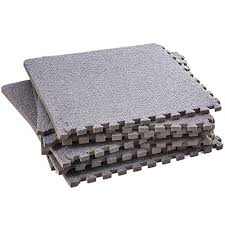
Carpet Tiles in Kenya: How to Choose the Right Flooring
What Are Carpet Tiles?
Carpet tiles are individual sections of carpet designed to fit together and cover a floor. They provide a practical flooring option for offices, commercial spaces and selected residential interiors.
Unlike traditional wall-to-wall carpeting, carpet tiles come in separate sections. This design makes it possible to arrange them in different patterns and replace individual damaged sections when compatible replacement tiles are available.
Jobel Services lists carpet tiles flooring in its online shop. If you are planning to improve your office floor or update a commercial interior, carpet tiles are worth considering.
Before purchasing, check the tile dimensions, material, thickness, colour and installation requirements. These details help you determine whether the flooring suits your space.
Why Choose Carpet Tiles for Your Office?
Carpet tiles offer several practical advantages when selected and installed correctly.
1. Suitable for Office Flooring
Carpet tiles can help create a more comfortable and organised office environment. They are suitable for selected workspaces, meeting rooms, reception areas and other commercial interiors.
Their individual tile format also allows different floor layouts depending on the available space.
2. Flexible Floor Designs
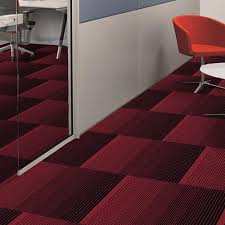
You can arrange carpet tiles in different patterns and layouts. Depending on the available designs, you may combine colours or create a consistent appearance throughout the room.
This flexibility can help businesses coordinate flooring with office furniture, wall colours and interior finishes.
3. Individual Tile Replacement
One practical advantage of modular carpet flooring is that damaged sections may be replaced individually.
For example, if a small area becomes stained or damaged, you may only need to replace the affected tiles rather than the entire carpeted floor.
However, the replacement must match the original tile’s dimensions, construction and appearance. Colour differences may also occur between production batches.
https://www.jobelgeneralhardware.com/
4. Useful for Commercial Interiors
Businesses can use carpet tiles in areas where a carpeted finish suits the intended activity.
Potential applications include:
- Office workspaces.
- Meeting rooms.
- Reception areas.
- Commercial interiors.
- Selected home offices.
- Other suitable indoor spaces.
Always consider the expected foot traffic and cleaning requirements before choosing a particular tile.
5. Easier Floor Planning
Individual tiles make it easier to plan flooring around room dimensions and selected layouts.
You can calculate the required quantity based on the floor area, then account for cutting, edges and installation waste.
This helps you estimate the amount of flooring needed before purchasing.
Where Can You Use Carpet Tiles?
Carpet tiles can suit different spaces, provided the product specifications match the environment.
Office Workspaces
Carpet tiles can give an office a consistent floor finish. They may also help create a defined appearance across different work areas.
Before installation, consider desk placement, chair movement and the amount of daily foot traffic.
Meeting Rooms
Meeting rooms often require flooring that complements the furniture and interior design.
Carpet tiles can help create a coordinated appearance around conference tables, meeting chairs and other office furniture.
Reception Areas
A reception area creates an important first impression for visitors. Suitable flooring can contribute to a clean and professional interior.
Choose a carpet tile that suits the expected foot traffic and cleaning routine.
Home Offices
Carpet tiles can also be considered for home offices where a carpeted floor finish is preferred.
Measure the available floor area and check that the selected tiles work with your furniture arrangement and room design.
Commercial Spaces
Some commercial interiors may benefit from modular carpet flooring. However, suitability depends on the product’s construction, traffic rating and maintenance requirements.
Ask the supplier to confirm whether the selected tiles are appropriate for your intended application.
How Do You Choose the Right Carpet Tiles in Kenya?
Choosing suitable carpet tiles requires attention to the room, floor condition, material and expected use.
1. Measure the Floor Area
Start by measuring the length and width of the room.
For a rectangular room, use this formula:
Floor area = Length × Width
For example, a room measuring 6 metres by 4 metres has a floor area of:
6 × 4 = 24 square metres.
If the tiles cover a known area, divide the total floor area by the coverage per tile.
For example, if each tile covers 0.25 square metres:
24 ÷ 0.25 = 96 tiles.
This calculation gives the basic quantity. You should also allow extra tiles for cutting, fitting and future replacements.
For irregular rooms, divide the floor into smaller rectangular sections and calculate each area separately.
2. Check the Carpet Tile Material
Carpet tiles can use different fibre materials and backing constructions.
The material affects durability, appearance, cleaning and overall performance.
Before purchasing, ask the supplier about the actual material used in the product. Do not assume that every carpet tile has the same construction or cleaning requirements.
3. Consider Foot Traffic
A busy office reception area experiences different demands from a private home office.
Consider how many people will walk across the floor each day. Areas with frequent movement may require flooring designed for heavier use.
Ask the seller to confirm the recommended application and any available durability specifications.
4. Choose a Suitable Colour
Colour affects how the floor looks and how easily visible dirt appears.
Consider the following points:
- Darker colours may make some stains less noticeable.
- Lighter colours can create a brighter appearance.
- Patterned designs may suit spaces where a uniform finish is not required.
- Neutral colours can coordinate with different furniture styles.
Request actual product photographs or samples where possible. Screen images may not show the exact colour.
5. Check Tile Dimensions and Thickness
Carpet tiles come in different dimensions and thicknesses.
Confirm the measurements before ordering. The dimensions affect the number of tiles required and the installation layout.
Also check the total floor height after installation, especially where the flooring meets doors, adjoining rooms or existing floor finishes.
6. Inspect the Existing Floor
The condition of the existing floor affects installation.
Check for:
- Uneven sections.
- Cracks or loose surfaces.
- Moisture problems.
- Dust and dirt.
- Existing adhesive or flooring residue.
The floor should meet the installation requirements of the selected carpet tiles.
If the surface has moisture problems, address them before installation. Covering a damp floor can lead to further complications.
7. Consider Cleaning and Maintenance
Different carpet tile materials require different cleaning methods.
Ask about routine vacuuming, stain removal and suitable cleaning products.
If the flooring will be installed in a busy office, choose an option with maintenance requirements that your cleaning team can manage.
8. Compare the Total Project Cost
Do not calculate your flooring budget using the tile price alone.
Consider:
- The number of tiles required.
- Extra tiles for cutting and replacement.
- Floor preparation.
- Installation labour.
- Adhesives or other installation materials, where required.
- Delivery costs.
- Future maintenance.
Ask for a quotation based on your actual floor measurements.
Carpet Tiles vs Wall-to-Wall Carpet
Carpet tiles and wall-to-wall carpeting both provide carpeted floor finishes. However, their formats and maintenance considerations differ.
| Feature | Carpet tiles | Wall-to-wall carpet |
|---|---|---|
| Format | Individual sections | Continuous carpet covering |
| Layout | Allows different tile arrangements | Usually follows one continuous design |
| Replacement | Individual sections may be replaceable | Damaged areas can be more difficult to replace seamlessly |
| Installation | Requires correct tile alignment and fitting | Requires carpet cutting and fitting |
| Design | Patterns can be created using tile arrangements | Designs depend on the carpet roll or selected product |
| Maintenance | Individual sections can be assessed separately | Cleaning generally covers the installed carpet area |
The better choice depends on your room, budget, design preference and maintenance needs.
Carpet tiles may suit buyers who value modular flooring. Wall-to-wall carpet may suit spaces where a continuous floor finish is preferred.
How Are Carpet Tiles Installed?
Correct installation helps carpet tiles remain properly positioned and gives the floor a neat appearance.
The exact process depends on the tile design and the manufacturer’s instructions.
Step 1: Prepare the Floor
Clean the floor and remove loose dirt, dust and debris.
Check whether the surface is level, dry and suitable for the selected flooring.
Step 2: Measure and Plan the Layout
Measure the room and identify the starting point.
Plan the tile arrangement before installation. This helps reduce unnecessary cutting and makes it easier to maintain consistent alignment.
Step 3: Identify the Tile Direction
Some carpet tiles have directional patterns or arrows on their backing.
Check the manufacturer’s instructions and position the tiles correctly. Changing the direction can affect the final appearance.
Step 4: Install the Tiles
Use the installation method recommended for the particular tile.
Depending on the product, installation may involve suitable adhesive or another approved fitting system.
Avoid using an unsuitable adhesive because it may affect the tiles or the existing floor.
Step 5: Cut the Edges
Measure sections around walls, doorways and other obstacles.
Use appropriate tools to cut the tiles accurately. Take care around corners and edges to avoid gaps.
Step 6: Inspect the Finished Floor
Check the alignment, edges and joints.
Confirm that the tiles sit properly and that there are no loose sections. Follow the manufacturer’s instructions before allowing normal foot traffic.
For larger commercial projects, professional installation can help achieve a consistent finish.
Common Carpet Tile Problems and How to Avoid Them
Tiles Moving or Lifting
Tiles may move when the installation method is unsuitable or the floor has not been prepared properly.
Follow the recommended installation procedure and use compatible materials.
Visible Gaps Between Tiles
Gaps can result from poor measurement or incorrect alignment.
Plan the layout before installation and check each row as you work.
Uneven Floor Appearance
An uneven floor surface can affect how carpet tiles sit.
Prepare the floor according to the manufacturer’s requirements before fitting the tiles.
Stains and Discolouration
Spills and dirt can affect carpet fibres.
Clean stains using products suitable for the tile material. Test cleaning products as recommended by the manufacturer.
Colour Differences After Replacement
Replacement tiles may not match the original flooring exactly, especially if the existing tiles have faded or come from a different production batch.
Keep spare tiles from the original installation where possible.
How Do You Maintain Carpet Tiles?
Regular maintenance helps preserve the appearance of carpet tile flooring.
Vacuum Regularly
Vacuuming removes loose dirt and dust from the carpet surface.
The frequency depends on how much foot traffic the room receives.
Clean Spills Promptly
Attend to spills as soon as possible using a cleaning method suitable for the carpet material.
Avoid rubbing stains aggressively because this may spread the dirt or damage the fibres.
Inspect High-Traffic Areas
Check entrances, corridors and areas around desks regularly.
These sections may experience more wear than less frequently used areas.
Replace Damaged Tiles When Appropriate
If a tile becomes badly damaged, check whether it can be replaced individually.
Use a compatible replacement and follow the recommended installation method.
Follow Manufacturer Instructions
Different carpet tiles have different cleaning and maintenance requirements.
Use the care instructions provided for the specific product rather than applying one cleaning method to every type of carpet.
What Mistakes Should You Avoid When Buying Carpet Tiles?
Avoid these common mistakes when planning your flooring project.
- Buying without measuring: Incorrect measurements can result in too many or too few tiles.
- Ignoring the floor condition: Uneven or damp surfaces can affect installation.
- Choosing colour without considering the room: The flooring should coordinate with your interior.
- Ignoring foot traffic: The tile must suit the level of use.
- Overlooking installation costs: Include preparation, labour and other materials in your budget.
- Failing to confirm specifications: Check the dimensions, thickness and material before ordering.
- Buying too few replacement tiles: Keep spare tiles where practical to help with future repairs.
Good preparation makes it easier to plan the project and avoid unnecessary expenses.
Why Enquire About Carpet Tiles from Jobel Services?
Jobel Services lists carpet tiles flooring in its online shop.
If you are planning an office renovation, furnishing a commercial space or updating a home office, you can enquire about the listed carpet tile product.
Before purchasing, confirm the available design, dimensions, material, thickness, price and installation requirements.
You should also provide your floor measurements so that the team can help you discuss the quantity required.
Where Can You Buy Carpet Tiles in Kenya?
You can explore the carpet tiles flooring listing through the official Jobel Services shop:
https://jobelservices.co.ke/shop/
Jobel Services is located at Gikomba, Beaver House, opposite NCBA Bank, Nairobi.
When making an enquiry, provide:
- The length and width of your floor.
- The type of room where you intend to install the tiles.
- Your preferred colour or design.
- The approximate quantity required.
- Photographs of the existing floor.
These details can help you discuss a suitable flooring option and obtain accurate purchasing information.
Contact Jobel Services on +254 701 930876 to confirm current availability, pricing and ordering arrangements.
Frequently Asked Questions About Carpet Tiles in Kenya
1. What are carpet tiles used for?
Carpet tiles are used to cover floors in offices, meeting rooms, reception areas, commercial interiors and selected residential spaces.
2. How many carpet tiles do I need for a room?
Measure the floor area and divide it by the coverage of one tile. Add extra tiles for cutting, fitting and future replacements.
3. Are carpet tiles suitable for offices?
Yes. Carpet tiles can suit offices when their construction and specifications match the expected foot traffic and maintenance requirements.
4. Can you replace individual carpet tiles?
In many modular carpet systems, individual damaged tiles can be removed and replaced. The replacement must be compatible with the original flooring.
5. Are carpet tiles easy to clean?
Their cleaning requirements depend on the material and construction. Regular vacuuming and prompt stain treatment can help maintain their appearance.
6. Can carpet tiles be installed over existing flooring?
That depends on the condition and type of the existing floor, as well as the carpet tile manufacturer’s installation instructions. The surface must meet the product’s requirements.
7. Do carpet tiles require adhesive?
Some carpet tile systems require adhesive, while others use different installation methods. Confirm the correct fitting method for the specific product before installation.
8. Where can I buy carpet tiles in Nairobi?
You can enquire from Jobel Services at Gikomba, Beaver House, opposite NCBA Bank, Nairobi, or through its online shop at https://jobelservices.co.ke/shop/.
9. What should I check before purchasing carpet tiles?
Check the tile dimensions, material, thickness, colour, floor compatibility, installation method and maintenance requirements. Also confirm the price and available quantity.
Conclusion
Carpet tiles provide a modular flooring option for offices, meeting rooms, reception areas and selected home interiors. Their individual sections allow flexible layouts and may make it easier to replace damaged areas when compatible tiles are available.
Before purchasing, measure your floor, check the tile specifications and consider the room’s foot traffic. You should also account for floor preparation, installation and future maintenance.
Looking for carpet tiles in Kenya? Visit the Jobel Services online shop or contact the team on +254 701 930876. Share your floor measurements and photographs to discuss a suitable flooring option.
Visit Jobel Services at Gikomba, Beaver House, opposite NCBA Bank, Nairobi, and enquire about carpet tiles for your next flooring project.
