

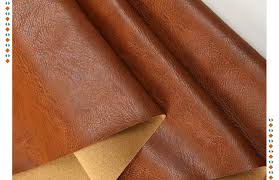
Faux Leather Fabric in Kenya: Uses, Prices and Buying Guide
Where Can You Buy Faux Leather Fabric in Kenya?
You can buy faux leather fabric in Kenya from Jobel Services for sofa upholstery, office chair restoration, car interiors and headboard projects. The material offers a leather-like appearance and provides an alternative to genuine leather for residential and commercial furniture.
Faux leather is useful when you want a smooth, leather-style finish without purchasing genuine animal leather. However, quality varies according to the material, thickness, backing and manufacturing process.
Jobel Services lists faux leather fabric in its online shop. Customers can contact the supplier to confirm available colours, material specifications, prices and quantities before ordering.
Whether you are restoring an old sofa, repairing an office chair or manufacturing new furniture, choosing the correct upholstery material will affect the appearance and service life of the finished product.

https://jobelservices.co.ke/shop/page/1/
What Is Faux Leather Fabric?
Faux leather is a synthetic material designed to resemble genuine leather. Manufacturers commonly use polyurethane (PU) or polyvinyl chloride (PVC) coatings over a textile backing.
The finished material can have a smooth surface, leather-like grain or other decorative textures.
Faux leather is popular in furniture manufacturing because it offers several design options. It can also simplify routine cleaning when compared with some fabric upholstery materials.
Common applications include:
- Sofa and couch upholstery.
- Office chair seats and backrests.
- Dining chairs.
- Upholstered headboards.
- Car seats and interior panels.
- Reception furniture.
- Restaurant and hotel seating.
- Decorative furniture projects.
The exact performance depends on the product specification. Therefore, you should confirm the material type and intended application before purchasing.
https://www.jobelgeneralhardware.com/shop
Types of Faux Leather Used in Furniture Upholstery
Two common types of faux leather are PU leather and PVC leather.
1. PU Faux Leather
PU stands for polyurethane. Manufacturers apply a polyurethane coating to a textile backing to create a leather-like surface.
PU faux leather can provide a soft feel and flexible finish. Its appearance and performance vary according to the coating, backing and manufacturing process.
It is commonly considered for:
- Sofa upholstery.
- Office chairs.
- Headboards.
- Decorative furniture.
- Selected automotive interior applications.
Before buying PU material, ask about its thickness, backing and suitability for the furniture you intend to cover.
2. PVC Faux Leather
PVC stands for polyvinyl chloride. This synthetic material uses a PVC-based surface coating over a supporting fabric layer.
PVC faux leather is available in different textures and finishes. Some products have a firm surface, while others have a more flexible construction.
It can be considered for selected furniture and interior applications. However, the correct choice depends on the product specification and expected level of use.
PU vs PVC Faux Leather
| Feature | PU Faux Leather | PVC Faux Leather |
|---|---|---|
| Main coating | Polyurethane | Polyvinyl chloride |
| Surface feel | Often softer and more flexible | Can feel firmer |
| Appearance | Can resemble natural leather | Available in different leather-like finishes |
| Flexibility | Depends on construction | Depends on construction |
| Maintenance | Follow product instructions | Follow product instructions |
| Applications | Furniture and selected interior projects | Furniture and selected interior projects |
Neither type is automatically better for every project. Compare the actual product specifications before making a purchase.
Why Use Faux Leather Fabric for Furniture?
Faux leather offers several practical benefits for furniture makers, homeowners and businesses.
1. Leather-Like Appearance
Faux leather provides a surface that resembles genuine leather. It can give sofas, office chairs and headboards a clean, coordinated appearance.
Different grain patterns and finishes also allow you to match the material with your interior design.
2. Easier Routine Cleaning
Many faux leather surfaces can be cleaned by wiping them with a suitable soft cloth.
This can make routine maintenance convenient for offices, homes and commercial seating areas.
However, cleaning requirements vary. Avoid harsh chemicals, abrasive brushes and unsuitable solvents because they can damage the surface coating.
3. Suitable for Furniture Restoration
You can use suitable faux leather to restore furniture with cracked, faded or damaged upholstery.
Instead of replacing an entire sofa or chair, an upholsterer may remove the old covering and install new material.
The condition of the furniture frame, foam and internal supports should also be assessed during restoration.
4. Different Design Options
Faux leather is available in different colours, textures and surface finishes.
This gives you flexibility when selecting materials for:
- Modern sofas.
- Executive office chairs.
- Reception seating.
- Dining chairs.
- Bedroom headboards.
- Commercial furniture.
Confirm the available designs with Jobel Services before placing an order.
5. An Alternative to Genuine Leather
Faux leather provides a synthetic alternative to animal leather.
It can offer a leather-style appearance at a different price point. However, its durability and ageing characteristics differ from genuine leather.
Choose according to your budget, preferred appearance, maintenance expectations and intended application.
Common Uses of Faux Leather Fabric in Kenya
Faux leather can serve different furniture and interior projects. The material must match the requirements of each application.
Faux Leather for Sofa Upholstery
Sofas are among the most common furniture items covered with leather-style upholstery.
Faux leather can help create a smooth and coordinated finish for living rooms, offices and reception areas.
When selecting material for a sofa, consider:
- The expected frequency of use.
- Surface thickness.
- Flexibility around corners and curves.
- Resistance to cracking and peeling.
- Cleaning requirements.
- Colour and texture.
- Suitability for upholstery.
A sofa used every day needs material designed for regular contact and movement.
If you are restoring an existing sofa, inspect its foam, springs, frame and stitching before choosing the replacement covering.
Faux Leather for Office Chair Upholstery
Office chairs experience repeated pressure and friction. Users sit, lean back, adjust their positions and move across different surfaces.
Faux leather can provide a professional appearance for executive chairs, visitor chairs and selected office seating.
Before buying, check whether the material is suitable for office furniture.
Also inspect the chair’s existing upholstery structure. Worn foam, damaged seat boards and loose stitching may require attention during the repair.
If you need to restore an office chair, send Jobel Services photographs of the chair to help explain the repair requirements.
Faux Leather for Headboards
Upholstered headboards can improve the appearance of bedrooms.
Faux leather provides a smooth surface that can complement different bed designs.
Consider the following factors when choosing material for a headboard:
- Preferred colour.
- Surface texture.
- Padding thickness.
- Cleaning requirements.
- Headboard dimensions.
- Design and stitching pattern.
Measure the headboard before purchasing the material. Include extra allowance for wrapping, folds and fixing around the edges.
Faux Leather for Car Seats
Some automotive upholstery projects use synthetic leather materials.
However, not every faux leather fabric is suitable for vehicle interiors. Car seats experience heat, friction, movement and prolonged exposure to sunlight.
Ask for material specifically suitable for automotive upholstery before using it in a vehicle.
Also consider relevant safety requirements, especially where seat airbags are fitted. Never cover or alter an airbag deployment area with an unsuitable material.
Faux Leather for Restaurant and Hotel Furniture
Hotels, restaurants and reception areas often need coordinated furniture finishes.
Faux leather can be considered for selected seating projects because many versions allow routine surface cleaning.
Before choosing a material for commercial seating, check its expected wear performance and cleaning requirements.
High-use furniture needs an appropriate upholstery specification.
How to Choose the Best Faux Leather Fabric in Kenya
Before buying faux leather, evaluate the following factors.
1. Confirm the Material Type
Ask whether the fabric is PU or PVC faux leather.
This information helps you compare products and understand their construction.
Do not rely on appearance alone. Two materials may look similar but have different coatings and backing structures.
2. Check the Thickness
Material thickness affects how the fabric feels and handles during upholstery.
Very thin material may be difficult to use on furniture that requires stretching around corners and edges. However, thickness alone does not guarantee durability.
Ask the supplier for the available specifications and confirm whether the material suits your project.
3. Inspect the Backing
Faux leather usually has a textile backing that supports the coated surface.
Inspect the backing for defects, loose sections and uneven construction.
A suitable backing helps the upholsterer handle the material during cutting, stitching and installation.
4. Examine the Surface Finish
Look closely at the material before purchasing.
Check for:
- Uneven coating.
- Visible scratches.
- Peeling sections.
- Colour inconsistencies.
- Surface cracks.
- Manufacturing defects.
If possible, inspect a physical sample before ordering a large quantity.
5. Select the Right Colour
Choose a colour that complements your furniture and interior design.
For example, darker colours may suit some office and commercial interiors, while lighter shades can work well in selected residential spaces.
Consider the existing:
- Wall colours.
- Flooring.
- Curtains.
- Furniture frames.
- Decorative accessories.
If you are restoring a sofa, take photographs of the room when requesting fabric recommendations.
6. Consider Flexibility
Upholstery materials must bend around furniture edges and curves.
A material that is too stiff for the furniture design may create difficulties during installation.
Ask an upholsterer to assess the material if the furniture has curved arms, detailed stitching or complex shapes.
7. Ask About Wear Resistance
Furniture upholstery experiences repeated rubbing and pressure.
Ask whether the material has relevant abrasion-resistance information or testing specifications.
This is especially important for office chairs, hotel seating and frequently used sofas.
8. Check Cleaning Requirements
Different faux leather finishes require different cleaning methods.
Ask the supplier how to clean the specific material.
Avoid assuming that every faux leather surface can withstand the same cleaning products.
Faux Leather vs Genuine Leather
Faux leather and genuine leather have different construction, appearance and maintenance characteristics.
| Feature | Faux Leather | Genuine Leather |
|---|---|---|
| Material source | Synthetic coating and textile backing | Animal hide |
| Surface | Manufactured leather-like finish | Natural leather surface |
| Appearance | Can provide a consistent finish | Natural variations in grain and texture |
| Maintenance | Often allows simple surface cleaning | Requires care suited to the leather type |
| Cost | Often positioned as a lower-cost alternative | Usually costs more |
| Ageing | May crack or peel depending on quality and care | Can develop a natural patina |
| Design options | Available in different manufactured finishes | Natural variations influence appearance |
The right option depends on your priorities.
Faux leather may suit customers who want a synthetic leather-style finish. Genuine leather may appeal to buyers who prefer natural leather and its ageing characteristics.
Compare the material quality, maintenance requirements and expected lifespan before deciding.
Faux Leather vs Fabric Upholstery
You can also compare faux leather with conventional upholstery fabrics such as cotton, polyester and microfiber.
| Feature | Faux Leather | Fabric Upholstery |
|---|---|---|
| Surface | Smooth or textured coated finish | Woven or knitted textile |
| Cleaning | Often wiped with a suitable cloth | Depends on fibre and construction |
| Appearance | Leather-like finish | Wide range of textile textures |
| Breathability | Generally less breathable | Varies by material |
| Design | Different leather-style finishes | Many colours, patterns and weaves |
| Maintenance | Avoid damaging the surface coating | Follow the fabric’s care instructions |
Faux leather may suit customers who prefer a smooth surface. Conventional fabric upholstery may suit buyers who want woven textures and different textile finishes.
For either option, select a material designed for the intended furniture use.
How Much Faux Leather Fabric Do You Need?
The quantity depends on the furniture dimensions, design and cutting arrangement.
You should measure the furniture before requesting a quotation.
For a Sofa
A sofa has several sections that require separate measurements.
These may include:
- Seat surfaces.
- Backrest.
- Armrests.
- Outer back panel.
- Side panels.
- Removable cushions.
- Decorative sections.
The required quantity also depends on the sofa’s shape and the direction of the material’s grain or texture.
For a large sofa, ask an upholsterer to prepare a cutting estimate before purchasing.
For an Office Chair
Office chairs have different designs and upholstery requirements.
Some chairs have separate seat and backrest panels. Others use a continuous covering or additional side sections.
Take photographs of the chair and measure the parts that need new upholstery.
This helps the upholsterer estimate the material more accurately.
For a Headboard
Measure the full width and height of the headboard.
Include extra material for:
- Padding.
- Edge wrapping.
- Folding.
- Stitching.
- Fixing at the back.
The design also affects the quantity. A plain rectangular headboard may require a different cutting arrangement from a padded, buttoned or curved design.
For Car Seats
Automotive upholstery requires careful measurement and cutting.
The material must suit the seat’s shape, stitching and safety requirements.
Use an automotive upholstery professional to estimate the required quantity.
How to Maintain Faux Leather Furniture
Proper maintenance can help preserve the appearance of faux leather.
Clean the Surface Regularly
Use a soft, clean cloth to remove dust and ordinary surface dirt.
Follow the cleaning instructions for the specific material.
Attend to Spills Promptly
Wipe spills as soon as possible using a suitable cloth.
Avoid aggressive scrubbing because it can damage the coating.
Avoid Harsh Chemicals
Do not use strong solvents, abrasive cleaners or products that the material manufacturer has not approved.
Test a cleaning product on a hidden section if the care instructions allow it.
Protect Furniture from Excessive Heat
Prolonged exposure to excessive heat can affect some synthetic coatings.
Avoid placing upholstered furniture too close to direct heat sources.
Reduce Prolonged Direct Sunlight
Direct sunlight can contribute to fading and material deterioration.
Where possible, use curtains or blinds to reduce prolonged exposure.
Avoid Sharp Objects
Sharp objects can puncture or scratch faux leather.
Keep knives, tools and other sharp items away from upholstered surfaces.
Repair Damage Early
Small tears and peeling sections can become more noticeable as the material deteriorates.
Arrange an inspection when you notice damage. Depending on the condition, an upholsterer may recommend a repair or complete replacement.
Common Mistakes to Avoid When Buying Faux Leather
Choosing Based Only on Appearance
A material may look like genuine leather but still have poor suitability for your project.
Check the backing, thickness, coating and intended application.
Assuming All Faux Leather Is Waterproof
Some faux leather products resist surface moisture, but this does not mean the entire material is waterproof.
Liquid can enter through seams, damaged sections and exposed backing.
Ask about the actual moisture-resistance properties before purchasing.
Ignoring Furniture Usage
A decorative headboard and a heavily used office chair have different requirements.
Choose material according to the expected frequency of use.
Buying Without Measuring
Incorrect measurements can lead to shortages or unnecessary spending.
Measure the furniture and allow for cutting, stitching and wrapping.
Ignoring Installation Requirements
Faux leather requires appropriate cutting, stretching and stitching techniques.
Poor installation can cause wrinkles, loose sections and premature damage.
Use an experienced upholsterer for complex furniture projects.
Failing to Confirm the Colour
Screen images may not show the exact colour of the physical material.
Request a sample or inspect the fabric in person where possible.
Where to Buy Faux Leather Fabric in Nairobi, Kenya
Jobel Services lists faux leather fabric for customers working on furniture upholstery and interior projects.
You can enquire about its available material options, colours, specifications and quantities before purchasing.
Visit Jobel Services at:
Gikomba, Beaver House, opposite NCBA Bank, Nairobi.
Call or WhatsApp: +254 701 930876
Website: https://jobelservices.co.ke/
When contacting the supplier, provide the following details:
- The type of furniture you want to cover.
- Your preferred colour and finish.
- The estimated fabric quantity.
- Photographs of the furniture.
- Any specific material requirements.
If you are restoring an office chair or sofa, send clear photographs of the damaged sections. This helps explain the project and supports a more useful quotation.
Customers outside Nairobi can contact Jobel Services to confirm delivery arrangements.
Frequently Asked Questions About Faux Leather Fabric in Kenya
1. Where can I buy faux leather fabric in Kenya?
You can enquire at Jobel Services, which lists faux leather fabric in its online shop. Contact the supplier to confirm available options, specifications and current prices.
2. What is faux leather fabric made from?
Faux leather is a synthetic material commonly made using polyurethane or polyvinyl chloride coatings over a textile backing.
3. Is faux leather suitable for sofa upholstery?
Yes. Suitable faux leather can be used for sofa upholstery. Check its thickness, backing, flexibility and wear performance before purchasing.
4. Can faux leather be used for office chairs?
Yes. Suitable faux leather can cover office chair seats and backrests. Choose a material designed to withstand regular sitting, movement and friction.
5. Is faux leather waterproof?
Some faux leather surfaces resist water, but the material is not necessarily waterproof. Liquid may enter through seams, damaged areas or exposed backing.
6. What is the difference between PU and PVC faux leather?
PU faux leather uses a polyurethane coating, while PVC faux leather uses a polyvinyl chloride coating. Their feel and performance depend on their construction and quality.
7. How do you clean faux leather furniture?
Use a soft cloth and a cleaning method approved for the material. Avoid abrasive cleaners and harsh chemicals that may damage the surface.
8. Does faux leather peel or crack?
Faux leather can crack or peel as it ages. The risk depends on material quality, usage, cleaning methods and environmental conditions.
9. Is faux leather cheaper than genuine leather?
Faux leather is often a lower-cost alternative to genuine leather. However, prices vary according to material quality, construction and supplier.
10. How much faux leather fabric do I need for a sofa?
The quantity depends on the sofa’s size, design, cushions and cutting layout. Ask an upholsterer to measure the furniture and estimate the required material.
11. Can faux leather be used for car seats?
Some faux leather materials are suitable for automotive interiors. Confirm that the specific product meets automotive requirements before using it on vehicle seats.
12. How do I order faux leather fabric from Jobel Services?
Contact Jobel Services on +254 701 930876 or visit its website. Share your intended application, preferred finish and estimated quantity to enquire about available options.
Buy Faux Leather Fabric from Jobel Services
Faux leather fabric is an option for customers restoring sofas, office chairs, headboards and other upholstered furniture. It provides a synthetic leather-style finish and comes in different surface designs.
Before purchasing, confirm whether the material is PU or PVC, check its thickness and backing, and make sure it suits your furniture project.
Jobel Services lists faux leather fabric in its online shop. Contact the supplier to confirm the current price, available colours, specifications and stock.
Visit Jobel Services at Gikomba, Beaver House, opposite NCBA Bank, Nairobi.
Call or WhatsApp: +254 701 930876
Share photographs and measurements of your furniture when requesting a quotation. This will help you discuss the material requirements and estimate the quantity needed.
