


Sliding Gate Rollers in Kenya: Sizes, Prices and Buying Guide
Sliding Gate Rollers in Kenya: Which Gate Wheels Should You Buy?
If you are installing a sliding gate or replacing worn-out gate wheels, choosing the correct sliding gate rollers in Kenya helps your gate move smoothly and remain properly supported. Jobel Services supplies galvanized steel sliding gate rollers in several sizes, including 50 mm, 60 mm, 70 mm, 80 mm and 90 mm.
Sliding gate rollers support the movement of gates along their tracks. They help reduce friction and allow the gate to open and close without requiring you to lift or drag it manually.
However, the correct roller depends on your gate design, weight, track arrangement, mounting system and operating requirements. Buying a wheel based on diameter alone can result in poor alignment, difficult movement or premature wear.
This guide explains how sliding gate rollers work, how to choose the right size, what to check before purchasing and how to maintain your gate system.
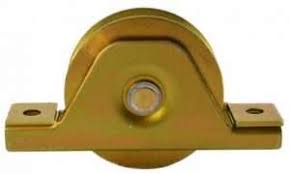
https://jobelservices.co.ke/product/sliding-gate-rollers-in-kenya-durable-heavy-duty/
What Are Sliding Gate Rollers?
Sliding gate rollers are wheels or roller assemblies that support a sliding gate as it moves along a designated track or guide system.
They form an important part of the gate’s movement mechanism.
Depending on the gate design, rollers may attach to the gate frame or operate within a track. Their purpose is to support the gate and allow controlled movement between open and closed positions.
You will commonly find sliding gate rollers in:
- Residential compound gates.
- Apartment entrance gates.
- Commercial property entrances.
- Industrial premises.
- Warehouse gates.
- Parking area gates.
- Workshop entrances.
- Security gates.
- Automated sliding gate systems.
The correct roller assembly helps the gate move consistently while reducing unnecessary strain on other components.

https://www.jobelgeneralhardware.com/shop
How Do Sliding Gate Rollers Work?
A sliding gate uses rollers to move along a track or another compatible support arrangement.
When you push a manual gate, the rollers move along the track and support the gate’s movement.
For an automated sliding gate, an electric motor drives the gate through a rack-and-pinion mechanism or another compatible drive arrangement. The rollers still support the gate while the motor controls its movement.
A typical sliding gate system may include:
- Sliding gate rollers.
- Gate track or guide system.
- Gate frame.
- Guide rollers.
- End stops.
- Gate motor, where automation is installed.
- Rack and pinion, where required by the automation system.
Each component performs a different function.
For example, the main rollers support the gate, while guide rollers help maintain its position. The motor moves an automated gate, but it does not replace the need for correctly installed supporting rollers.
Available Sliding Gate Roller Sizes at Jobel Services
Jobel Services lists five roller sizes for different gate applications.
| Roller size | Common consideration |
|---|---|
| 50 mm | Smaller compatible gate systems |
| 60 mm | Gate systems designed for this wheel size |
| 70 mm | Medium-sized compatible roller assemblies |
| 80 mm | Larger compatible gate systems |
| 90 mm | Larger roller applications |
These sizes refer to roller diameter. They do not automatically indicate the maximum weight each roller can support.
Before purchasing, confirm the complete dimensions and design of the roller assembly.
The correct choice depends on the track, mounting arrangement, bearing design, material and gate load.
How Do You Choose the Right Sliding Gate Roller Size?
Choosing the correct roller requires more than measuring the existing wheel.
Use these factors when comparing products.
1. Measure the Existing Roller
If you are replacing an old roller, start by measuring its diameter.
For example, a worn roller may measure approximately 70 mm across.
However, do not rely on diameter alone. Two rollers with the same diameter can have different widths, grooves, bearings and mounting arrangements.
Record the following measurements:
- Outer diameter.
- Wheel width.
- Groove profile.
- Bearing dimensions.
- Mounting hole positions.
- Shaft or bolt dimensions.
- Overall assembly height.
Take clear photographs of the existing roller and its mounting position.
This information helps you identify a compatible replacement.
2. Consider the Gate Weight
A sliding gate places a load on its supporting rollers.
The gate’s weight depends on its size, frame construction, cladding and additional fittings.
A large steel gate may weigh considerably more than a small residential gate.
When selecting rollers, check the manufacturer’s load rating for the complete roller assembly.
Do not assume that a larger wheel automatically supports a heavier gate. The bearing, shaft, mounting bracket and wheel construction also matter.
3. Check the Track Design
Sliding gate rollers must match the track system.
Some gate systems use V-groove rollers that run on V-shaped tracks. Others use U-groove or flat-profile arrangements.
The wheel profile must match the track.
An incompatible roller may cause:
- Poor alignment.
- Excessive friction.
- Unstable gate movement.
- Uneven wear.
- Difficulty opening or closing the gate.
Before ordering, compare the existing wheel profile with the replacement product.
4. Check the Mounting Arrangement
Rollers attach to gate frames in different ways.
Some use brackets, while others use shafts, bolts or specialised mounting assemblies.
Check the mounting dimensions before purchasing.
A roller with the correct diameter may still fail to fit if its mounting arrangement differs from the original.
5. Consider the Operating Environment
Outdoor gates experience rain, dust, temperature changes and regular exposure to dirt.
These conditions can affect roller performance over time.
Jobel Services describes its sliding gate rollers as using galvanized steel construction with resistance to rust and corrosion.
However, the actual lifespan depends on the environment, installation quality and maintenance.
If your gate operates near a coastal area or in an environment with heavy chemical exposure, discuss the suitability of the material and protective finish with the supplier.
6. Consider Manual or Automated Operation
Sliding gate rollers can be used in compatible manual and automated gate systems.
For a manual gate, smooth rolling reduces the effort required to open and close it.
For an automated gate, correct roller selection helps the motor move the gate without unnecessary resistance.
Before fitting rollers to an automated gate, check that the gate moves freely by hand when the motor is disengaged according to the manufacturer’s instructions.
A stiff gate can place additional strain on the motor and drive components.
What Is the Difference Between V-Groove, U-Groove and Flat Gate Rollers?
The wheel profile determines how the roller interacts with its track.
V-Groove Gate Rollers
V-groove rollers have a V-shaped channel around the wheel.
They are designed to run on compatible V-shaped tracks.
This arrangement helps guide the wheel along the track.
U-Groove Gate Rollers
U-groove rollers have a rounded groove around the wheel.
They are used with compatible track designs that match the groove profile.
Flat Gate Rollers
Flat rollers have a relatively flat running surface.
They work with suitable flat tracks or support arrangements designed for this wheel type.
Do not replace one profile with another without confirming compatibility. The wheel and track must work together as a system.
Why Choose Galvanized Steel Sliding Gate Rollers?
Material selection affects the durability and maintenance requirements of gate hardware.
Jobel Services lists galvanized steel construction for its sliding gate rollers.
Galvanization provides a protective zinc coating that helps reduce corrosion.
This is useful because gate rollers often operate outdoors and encounter moisture and dirt.
Other considerations include:
- Strength of the wheel body.
- Quality of the bearing.
- Smoothness of rotation.
- Resistance to environmental exposure.
- Suitability for the gate’s weight.
- Compatibility with the track.
Remember that galvanized construction alone does not guarantee that every roller suits every gate. Confirm the product specifications before installation.
Signs That Your Sliding Gate Rollers Need Replacement
Damaged rollers can affect the movement and alignment of your gate.
Watch for these signs.
1. The Gate Has Become Difficult to Open
If your gate requires more force than usual, inspect the rollers and track.
Dirt, corrosion, worn bearings or misalignment may increase rolling resistance.
2. The Gate Makes Unusual Noises
Grinding, squeaking or scraping sounds may indicate a problem with the rollers, bearings or track.
Identify the source before replacing parts.
3. The Gate Moves Unevenly
A gate that jerks or changes direction during movement may have damaged rollers or alignment problems.
Check whether the wheels rotate freely and whether the track remains straight.
4. Visible Wheel Damage
Inspect the roller surface for cracks, deformation, excessive wear or missing sections.
Replace damaged components with suitable replacements.
5. The Gate Has Dropped or Become Misaligned
A gate that sits lower on one side may have a damaged support system.
Do not continue operating a visibly unstable gate. A qualified gate technician should inspect the supporting structure and mounting points.
6. The Bearings Are Worn
Worn bearings can cause rough movement, noise and excessive play.
Depending on the roller design, you may need to replace the complete roller assembly.
How Do You Install Sliding Gate Rollers?
The installation method depends on the gate design and roller mounting arrangement.
A typical replacement process involves these stages.
Step 1: Inspect the Existing Gate System
Examine the gate, rollers, track and mounting brackets.
Identify the cause of the problem before purchasing replacement components.
A damaged track may continue affecting the new rollers if you fail to repair it.
Step 2: Measure the Existing Rollers
Record the wheel diameter, width, groove profile and mounting dimensions.
Take photographs from different angles.
If possible, remove one existing roller for comparison after safely supporting the gate.
Step 3: Support the Gate Safely
Sliding gates can be heavy.
Use suitable lifting equipment and secure supports before removing any load-bearing roller.
Never rely on a jack alone to support a heavy gate.
Keep people away from the gate’s movement path during the work.
Step 4: Remove the Damaged Roller
Follow the gate manufacturer’s instructions or use a qualified technician.
Remove the necessary fasteners and inspect the mounting bracket.
Check for corrosion, cracks or deformation.
Step 5: Fit the Compatible Replacement
Confirm that the replacement matches the original mounting arrangement and track profile.
Install the roller securely using the appropriate fasteners.
Do not modify the gate frame or mounting bracket without checking the structural requirements.
Step 6: Check Alignment
Inspect the position of the roller against the track.
The gate should sit correctly and move without binding.
Misalignment can cause premature wear even when the replacement roller is suitable.
Step 7: Test Gate Movement
After installation, remove the temporary supports only when the gate is safely secured.
Test the gate movement carefully.
Check for unusual noise, excessive resistance and instability.
For automated gates, follow the motor manufacturer’s commissioning and safety procedures.
Common Sliding Gate Roller Problems and Their Solutions
| Problem | Possible cause | Recommended action |
|---|---|---|
| Gate is difficult to move | Dirt, worn bearings or misalignment | Inspect rollers and clean the track |
| Gate makes grinding sounds | Damaged bearings or wheel wear | Inspect and replace damaged parts |
| Gate moves unevenly | Misaligned rollers or damaged track | Check the full support system |
| Roller wears quickly | Incorrect size, poor alignment or excessive load | Verify specifications and installation |
| Gate leaves the track | Damaged guides or incorrect alignment | Stop operation and arrange inspection |
| Automated gate strains | Excessive rolling resistance | Inspect rollers, track and drive system |
These are possible causes, not guaranteed diagnoses. Inspect the complete gate system before replacing components.
How Do You Maintain Sliding Gate Rollers?
Regular maintenance helps preserve smooth gate movement.
Follow these practices:
- Remove leaves, stones and dirt from the track.
- Inspect the rollers for visible damage.
- Check for unusual noise during movement.
- Inspect mounting bolts and brackets.
- Check track alignment.
- Examine bearings for excessive movement or rough rotation.
- Use suitable lubrication where the roller manufacturer recommends it.
- Arrange professional inspections for heavy or automated gates.
Avoid applying grease indiscriminately to every part of the gate. Some roller and track systems require specific maintenance methods.
Keep the track clear because trapped stones and debris can damage rollers or obstruct gate movement.
Can You Use Sliding Gate Rollers for Automated Gates?
Yes. Suitable sliding gate rollers can support automated gate systems.
However, the roller assembly must match the gate’s weight, track arrangement and mounting design.
An automated system may also include:
- Electric gate motor.
- Rack and pinion.
- Control unit.
- Safety photocells.
- Remote controls.
- Limit switches.
- Guide rollers.
- End stops.
The motor controls gate movement, while the rollers support the gate.
If the gate does not move freely, the motor may experience additional strain. Therefore, check the rollers and track before installing or replacing an automation system.
How Much Do Sliding Gate Rollers Cost in Kenya?
The cost of sliding gate rollers in Kenya depends on several factors.
These include:
- Roller diameter.
- Wheel material.
- Bearing construction.
- Groove profile.
- Load rating.
- Mounting arrangement.
- Quantity required.
- Supplier and delivery location.
A 50 mm roller may differ in price from a 90 mm roller. However, size alone does not determine value.
Compare the complete specifications before making a purchase.
Jobel Services lists sliding gate rollers in different sizes. Contact the business to confirm current prices, stock availability and delivery arrangements.
For an accurate quotation, provide the existing roller measurements and photographs of your gate system.
Why Buy Sliding Gate Rollers From Jobel Services?
Jobel Services lists sliding gate rollers for residential and commercial gate applications.
The product description highlights:
- Galvanized steel construction.
- Corrosion resistance.
- Smooth rolling action.
- Multiple size options.
- Applications in residential and commercial settings.
The listed sizes include 50 mm, 60 mm, 70 mm, 80 mm and 90 mm.
Before ordering, confirm the available roller profile, dimensions, bearing details and load rating.
This is especially important when replacing an existing roller because the correct fit depends on the complete gate system.
Where Can You Buy Sliding Gate Rollers in Kenya?
You can enquire about sliding gate rollers directly from Jobel Services.
Visit the official online shop:
https://jobelservices.co.ke/shop/
For product enquiries, call or WhatsApp +254 701 930876.
You can also visit the physical shop at Gikomba, Beaver House, opposite NCBA Bank, Nairobi.
When contacting the supplier, provide:
- Required roller diameter.
- Existing wheel photographs.
- Wheel width and groove profile.
- Gate type.
- Approximate gate dimensions.
- Mounting arrangement.
- Number of rollers required.
- Delivery location.
If you are unsure about the correct size, send photographs and measurements before purchasing.
This can help reduce compatibility problems and unnecessary replacement costs.
Frequently Asked Questions About Sliding Gate Rollers in Kenya
1. What are sliding gate rollers used for?
Sliding gate rollers support a gate and allow it to move along a compatible track or support system. They are used in residential, commercial and industrial gate installations.
2. Which sliding gate roller sizes are available at Jobel Services?
The product listing identifies 50 mm, 60 mm, 70 mm, 80 mm and 90 mm sizes. Confirm the available sizes and exact specifications before ordering.
3. How do I measure a sliding gate roller?
Measure the outside diameter and wheel width. Also check the groove profile, bearing dimensions and mounting arrangement.
4. Are galvanized steel gate rollers suitable for outdoor use?
Galvanized steel offers corrosion protection through a zinc coating. Its suitability depends on the environment, product construction and maintenance.
5. Can I use a 90 mm roller instead of a 70 mm roller?
Not automatically. The larger roller must match the track, mounting arrangement, clearance and gate design. Confirm compatibility before replacing the original wheel.
6. How many rollers does a sliding gate need?
The number depends on the gate design, weight and support arrangement. Follow the gate manufacturer’s design specifications or consult a qualified fabricator.
7. Why is my sliding gate difficult to open?
Possible causes include worn bearings, damaged rollers, track obstruction, corrosion and misalignment. Inspect the entire system before replacing components.
8. Can sliding gate rollers be used with automatic gates?
Yes, provided they are compatible with the automated gate design. The rollers support the gate while the motor controls its movement.
9. Do sliding gate rollers require lubrication?
Some designs require lubrication, while others use maintenance arrangements that differ. Follow the manufacturer’s instructions and use suitable products.
10. When should I replace sliding gate rollers?
Replace them when you notice severe wear, cracks, damaged bearings, excessive noise or poor movement. Also investigate any alignment problems that may have damaged the rollers.
11. Can I install sliding gate rollers myself?
Small repairs may be possible for experienced technicians. However, sliding gates can be very heavy. Use proper support equipment and seek professional assistance when removing load-bearing components.
12. Where can I buy sliding gate rollers in Nairobi?
You can contact Jobel Services on +254 701 930876 or visit Gikomba, Beaver House, opposite NCBA Bank, Nairobi.
Buy Sliding Gate Rollers in Kenya From Jobel Services
Choosing the correct sliding gate roller helps maintain smooth movement and reduces unnecessary strain on your gate system.
Jobel Services lists galvanized steel sliding gate rollers in 50 mm, 60 mm, 70 mm, 80 mm and 90 mm sizes.
Before purchasing, check the roller diameter, width, groove profile, bearing arrangement and mounting dimensions. Also confirm that the product suits your gate’s weight and track design.
Looking for sliding gate rollers in Kenya? Contact Jobel Services on +254 701 930876 for product enquiries.
Visit https://jobelservices.co.ke/shop/ or stop by the physical shop at Gikomba, Beaver House, opposite NCBA Bank, Nairobi.
Send photographs and measurements of your existing gate rollers to help identify a compatible replacement.
