


Visitor Chairs: How Do You Choose the Right Ones for Your Office?
Visitor Chairs: A Complete Buying Guide for Offices in Kenya
If you are looking to buy visitor chairs in Kenya, choose chairs that provide comfortable seating, fit your available space, support regular use, and suit the appearance of your office. The right visitor chairs should also match your reception area, waiting room, meeting space, or customer service environment.
Visitor chair give clients, customers, business partners, and other guests a place to sit while they wait or attend meetings. Therefore, your choice can affect their comfort and the organisation of your workspace.
Before purchasing visitor chair, consider:
- Seat comfort and back support
- Chair dimensions
- Available floor space
- Frame strength
- Upholstery material
- Weight capacity
- Ease of cleaning
- Stacking or storage requirements
- Number of chairs needed
- Overall office design
If you are unsure which visitor chair will suit your premises, send Jobel Services photographs and measurements of your reception or waiting area before purchasing. This can help you identify suitable chair sizes and configurations.
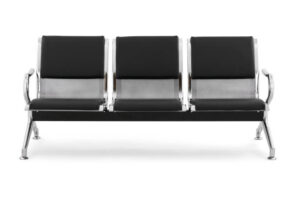
https://jobelservices.co.ke/product/waiting-chairs/
What Are Visitor Chairs?
Visitor chairs are seats designed for people who visit an office, business premises, institution, or commercial facility. They provide temporary seating for customers, guests, suppliers, interview candidates, and business partners.
Unlike many office task chairs, visitor chair usually have a simple design. Most models have fixed legs, a seat, and a backrest. However, some designs include armrests, padded cushions, upholstered surfaces, or metal frames.
You can use visitor chairs in several areas, including:
- Office reception areas
- Waiting rooms
- Meeting rooms
- Consultation rooms
- Clinics and hospitals
- Training facilities
- Customer service offices
- Educational institutions
- Conference facilities
The best choice depends on how frequently people use the chairs and how long they usually sit.
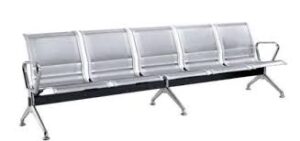
https://www.jobelgeneralhardware.com/shop
Why Are Visitor Chairs Important?
Visitor chairs help you create an organised and comfortable environment for guests. They also make better use of your available office space.
Here are some reasons to invest in suitable visitor seating.
1. They Improve Guest Comfort
Clients and visitors may spend several minutes or even hours waiting for assistance. Comfortable seating helps reduce discomfort during this period.
Look for chairs with suitable seat depth, back support, and adequate cushioning.
2. They Improve Office Organisation
A designated seating area prevents visitors from standing around workstations or blocking walkways.
You can arrange visitor chairs in rows, around a table, or along a reception wall, depending on your floor plan.
3. They Support Your Office Appearance
Visitor chairs contribute to the overall appearance of your reception or waiting area.
For example, upholstered chairs may suit a formal reception, while simple metal-framed chairs may work well in a busy customer service environment.
4. They Provide Practical Seating Capacity
Buying the right number of chairs helps you accommodate visitors without overcrowding the room.
However, you should leave enough space for people to move between chairs and access doors.
Types of Visitor Chairs
Visitor chair come in different designs, materials, and configurations. Understanding these options helps you select suitable seating for your premises.
1. Metal-Framed Visitor Chairs
Metal-framed visitor chair have a supporting frame made from metal, often with a padded or moulded seat.
They are suitable for offices that require practical seating for regular visitors.
Consider them when you need:
- A sturdy supporting frame
- Simple maintenance
- Regular-use seating
- A practical design for reception areas
Check the frame joints, leg construction, and protective finish before purchasing.
2. Upholstered Visitor Chairs
Upholstered visitor chairs have fabric or synthetic leather covering on the seat and backrest.
They provide a softer seating surface and can suit professional reception areas, consultation rooms, and executive offices.
When choosing upholstered chairs, check the stitching, cushioning, fabric quality, and ease of cleaning.
3. Visitor Chairs With Armrests
Some visitor chairs include armrests to support the user’s arms while sitting.
They may be suitable for consultation rooms, executive waiting areas, and locations where visitors spend longer periods seated.
However, armrests increase the overall chair width. Measure the available space before selecting this design.
4. Plastic Visitor Chairs
Plastic visitor chairs have moulded seats and backrests. Some models include metal legs, while others use an integrated plastic structure.
They are useful in environments that require lightweight and easy-to-clean seating.
Consider plastic chairs for:
- Training rooms
- Waiting areas
- Schools
- Community facilities
- Temporary seating arrangements
Check the material thickness, stability, and weight capacity before buying.
5. Stackable Visitor Chairs
Stackable visitor chairs allow you to place several chairs on top of one another when they are not in use.
They help businesses manage limited storage space.
They are especially useful for training rooms, event facilities, and offices that frequently rearrange their seating.
Before purchasing, check whether the chairs stack securely and whether staff can move them safely.
6. Padded Visitor Chairs
Padded visitor chairs have cushioning on the seat, backrest, or both.
They provide additional comfort compared with many basic hard-seat designs.
Choose padding based on expected usage. A chair used throughout the day may require more durable cushioning than one used occasionally.
How Do You Choose the Right Visitor Chairs?
Selecting visitor chairs requires more than comparing designs and prices. You should assess your room, expected visitors, frequency of use, and maintenance requirements.
1. Measure Your Available Space
Start by measuring the area where you intend to position the chairs.
Consider:
- Room length
- Room width
- Door clearance
- Walking space
- Chair width
- Chair depth
- Space between chairs
- Access to reception counters and tables
Do not fill the entire room with seating. Visitors and employees need enough space to move safely.
For example, a small reception area may work better with a few compact chairs than with large armchairs.
2. Consider How Many Visitors You Receive
The number of visitors you receive should influence how many chairs you purchase.
A small office with occasional appointments may require only a few seats. However, a busy clinic or customer service centre may need more seating.
Estimate your usual number of visitors during busy periods.
Also consider whether people normally arrive individually or in groups.
3. Check Seat Comfort
Visitors may sit for different lengths of time. Therefore, select chairs with suitable seat cushioning and back support.
Check:
- Seat width
- Seat depth
- Cushion thickness
- Backrest height
- Backrest shape
- Armrest position
Where possible, test the chair before purchasing. A chair should provide stable support without forcing the user into an uncomfortable position.
4. Choose Suitable Materials
The material affects the chair’s appearance, durability, and maintenance requirements.
Common options include:
Fabric: Fabric upholstery offers a range of colours and textures. However, some fabrics require more frequent cleaning.
Synthetic leather: This material has a smooth surface that is generally easy to wipe clean. Its quality and resistance to cracking vary.
Plastic: Plastic seats are easy to clean and suitable for many high-traffic environments.
Metal: Metal frames provide structural support. Check the frame construction, joints, and finish.
Choose materials based on the environment in which you will use the chairs.
5. Examine the Frame and Construction
A visitor chair should remain stable during normal use.
Inspect the legs, frame joints, seat attachments, and backrest connections.
Avoid selecting a chair based only on its appearance. Weak joints or poorly secured components may lead to problems after regular use.
6. Consider Armrests
Armrests can improve comfort, especially when visitors sit for extended periods.
However, they increase the chair’s overall width and may make it harder to fit several chairs into a small room.
Choose chairs with armrests when comfort and seating space allow.
7. Consider Cleaning and Maintenance
Visitor chairs in busy offices may require frequent cleaning.
Select materials that suit your cleaning routine.
For upholstered chairs, check whether the fabric can be cleaned easily. For plastic and synthetic leather, confirm that the surface can withstand the cleaning products you intend to use.
8. Set a Practical Budget
Your budget should cover the number of chairs required, material quality, construction, and maintenance.
Do not compare chairs using price alone. Consider how frequently you will use them and how long you expect them to remain in service.
A suitable chair should provide the required comfort and durability without exceeding your budget.
Which Visitor Chairs Are Best for a Reception Area?
Reception areas need chairs that accommodate guests while maintaining an organised appearance.
For a small reception, compact visitor chairs can help preserve walking space. For larger reception areas, you can arrange several upholstered or metal-framed chairs in an organised seating section.
Consider these features:
- Comfortable seats
- Stable frames
- Easy-to-clean materials
- Suitable dimensions
- A design that matches the reception area
If your reception receives many visitors, prioritise durability and easy maintenance.
How Do You Choose Visitor Chairs for a Small Office?
Small offices need seating that uses available space efficiently.
Consider compact chairs with simple frames. Avoid oversized designs that restrict movement or reduce access to workstations.
Stackable chairs may also help if you only need extra seating occasionally.
Before purchasing, measure the available area and determine how many chairs can fit without blocking doors or walkways.
How Do You Choose Visitor Chairs for a Large Office?
Large offices may need different seating arrangements for reception areas, meeting rooms, and consultation spaces.
You can select chairs based on the purpose of each room.
For example:
- Use upholstered visitor chairs in formal reception areas.
- Use practical metal-framed chairs in busy waiting rooms.
- Use stackable chairs in training and multipurpose rooms.
- Use armrest designs in consultation areas where visitors may sit longer.
For larger orders, maintain consistent designs and materials where possible. This helps create a coordinated office appearance.
What Is the Difference Between Visitor Chairs and Office Chairs?
Visitor chairs and office chairs serve different purposes.
Visitor chairs provide seating for guests, clients, and other people who visit your premises. Office chairs usually support employees who work at desks for extended periods.
| Feature | Visitor Chairs | Office Chairs |
|---|---|---|
| Main purpose | Guest seating | Employee seating |
| Typical design | Fixed or simple frame | Often adjustable |
| Height adjustment | Usually unavailable | Common in many models |
| Wheels | Not always included | Common in many models |
| Usage | Temporary seating | Regular workstation use |
| Main consideration | Guest comfort and space | Ergonomics and adjustability |
If you need chairs for employees who work at desks throughout the day, consider suitable office chairs instead of basic visitor seating.
Common Visitor Chair Problems
Visitor chairs can develop problems through frequent use, poor maintenance, or unsuitable construction.
1. Loose Chair Legs
Loose legs can make a chair unstable.
Inspect the joints and fasteners. Tighten suitable fittings where possible. Replace damaged components when necessary.
2. Worn-Out Upholstery
Fabric and synthetic leather can wear, tear, or lose their original appearance.
Clean the upholstery according to the manufacturer’s instructions. Avoid harsh cleaning products that may damage the material.
3. Flattened Seat Cushions
Frequent use can reduce the cushioning inside a chair.
If the frame remains in good condition, professional upholstery or cushioning replacement may help restore comfort.
4. Damaged Armrests
Armrests can become loose or damaged through repeated pressure.
Inspect the attachment points and replace damaged parts when necessary.
5. Unstable Frames
A damaged frame can make a visitor chair unsafe to use.
Remove severely damaged chairs from service until they receive a suitable repair or replacement.
How Do You Maintain Visitor Chairs?
Regular maintenance helps keep visitor chairs clean, stable, and presentable.
Follow these steps:
- Clean the seats regularly. Remove dust and stains using suitable cleaning products.
- Inspect the frames. Check for cracks, loose joints, and damaged legs.
- Check the upholstery. Look for tears, worn stitching, and damaged cushioning.
- Tighten loose fittings. Secure suitable screws and bolts when necessary.
- Avoid overloading chairs. Follow the manufacturer’s weight recommendations.
- Store stackable chairs correctly. Follow the recommended stacking arrangement.
- Replace damaged components. Do not continue using chairs with unsafe structural damage.
A simple inspection routine can help you identify problems before they affect visitors.
Where Can You Buy Visitor Chairs in Kenya?
If you need visitor chair in Kenya, first determine the number of people you need to accommodate, the available floor space, and the type of environment where you will use the chairs.
Before purchasing, measure:
- Available room width
- Available room length
- Door and walkway clearance
- Preferred chair width
- Preferred chair depth
- Number of chairs required
- Storage space for additional chairs
Also consider upholstery, frame material, armrests, cushioning, cleaning requirements, and expected daily usage.
Buy Visitor Chairs in Nairobi
Looking for visitor chair in Nairobi? Contact Jobel Services and ask about suitable office furniture and visitor seating solutions.
You can also visit Jobel Services at Gikomba, Beaver House, opposite NCBA Bank, Nairobi, to discuss your office seating requirements.
Get the Right Visitor Chairs
Do not select visitor chairs based only on appearance or price.
Send Jobel Services photographs and measurements of your reception or waiting area, the number of people you need to accommodate, and your preferred chair design before purchasing.
You can also explain whether you need armrests, padded seats, upholstered chairs, stackable designs, or easy-to-clean materials.
This information can help you identify suitable seating options for your premises.
Whether you need a few visitor chair for a small office, several chairs for a reception area, or bulk seating for a commercial facility, choosing the correct design and dimensions can help prevent unnecessary replacement costs.
Need visitor chairs in Kenya? Contact Jobel Services today or visit the shop at Gikomba, Beaver House, opposite NCBA Bank, Nairobi, and ask about suitable visitor chair and office furniture solutions.
Frequently Asked Questions About Visitor Chairs
1. What Are Visitor Chairs Used For?
Visitor chair provide seating for guests, clients, customers, and other people who visit an office or commercial facility. You can use them in reception areas, waiting rooms, consultation rooms, and meeting spaces.
2. Which Visitor Chairs Are Best for Offices?
The best visitor chair depend on your available space, expected usage, comfort requirements, and budget. Metal-framed, upholstered, padded, and stackable chairs are common options.
3. Are Visitor Chairs Available With Armrests?
Yes. Some visitor chair designs include armrests. They can provide additional support, although they require more space than many armless designs.
4. Are Stackable Visitor Chairs Suitable for Small Offices?
Yes. Stackable chairs help save storage space when you do not need all your seats. They are useful for offices that occasionally accommodate additional visitors or hold training sessions.
5. How Many Visitor Chairs Should an Office Have?
The number depends on your average visitor traffic, available floor space, and seating requirements. Estimate how many people usually wait at the same time, then arrange enough chairs without blocking walkways.
6. How Do You Clean Upholstered Visitor Chairs?
Use cleaning products suitable for the upholstery material. Follow the manufacturer’s instructions and test cleaning solutions on a small, hidden area before applying them to the entire surface.
7. Can Visitor Chairs Be Repaired?
Yes. Some visitor chair can be repaired through upholstery work, cushion replacement, or suitable frame and fitting repairs. However, severely damaged structural components may require chair replacement.
8. Where Can I Buy Visitor Chairs in Nairobi?
You can contact Jobel Services or visit its shop at Gikomba, Beaver House, opposite NCBA Bank, Nairobi, to discuss suitable visitor seating and office furniture requirements.
Conclusion
Choosing the right visitor chairs helps you create a comfortable and organised reception, waiting room, or meeting area. Before purchasing, consider the available space, number of visitors, seat comfort, frame construction, upholstery, maintenance requirements, and budget.
A suitable chair should accommodate your visitors while supporting the daily needs of your business.
If you are looking for visitor chair in Kenya, contact Jobel Services for assistance with your office seating requirements. You can also visit the shop at Gikomba, Beaver House, opposite NCBA Bank, Nairobi.
Send your room measurements and photographs before purchasing so you can discuss suitable visitor chair designs and quantities.
