


Training Room Chairs: How Do You Choose the Right Ones?
Training Room Chairs: A Complete Buying Guide for Offices and Institutions in Kenya
If you are looking to buy training room chairs in Kenya, choose chairs that provide comfortable seating, withstand frequent use, fit your room layout, and support the activities carried out during training sessions. The right training room chairs should also match your available space, storage requirements, number of participants, and training equipment.
Training rooms serve different purposes. Businesses use them for staff development, workshops, presentations, and meetings. Schools, colleges, and training centres use them for lessons, examinations, seminars, and group activities.
Therefore, your seating choice should reflect how people use the room.
Before purchasing training room chairs, consider:
- Seat comfort and back support
- Chair dimensions
- Available floor space
- Expected daily usage
- Frame strength
- Writing tablets
- Stacking or folding features
- Upholstery material
- Storage requirements
- Number of participants
If you are unsure which chairs suit your facility, send Jobel Services photographs and measurements of your training room before purchasing. This can help you discuss suitable chair designs, quantities, and room arrangements.
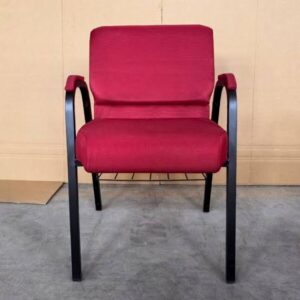
https://jobelservices.co.ke/product/waiting-chairs/
What Are Training Room Chairs?
Training room chairs are seats designed for classrooms, workshops, seminars, staff training sessions, and other learning environments.
They usually have a simple structure that supports organised seating. Some models include writing tablets, padded seats, armrests, or foldable frames.
Common places that use training room chairs include:
- Corporate training rooms
- Schools and colleges
- Universities
- Conference facilities
- Seminar halls
- Vocational training centres
- Churches and community centres
- Government institutions
- Examination rooms
The most suitable design depends on the activities performed in the room and how frequently the chairs are used.
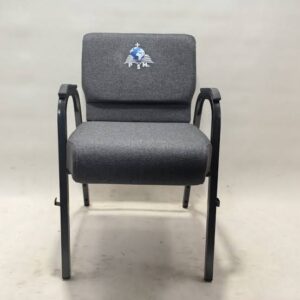
https://www.jobelgeneralhardware.com/shop
Why Are Training Room Chairs Important?
Training room chairs affect participant comfort, room organisation, and the efficient use of available space.
1. They Support Comfortable Learning
Participants may remain seated for several hours during lessons, workshops, or presentations.
Chairs with suitable seat dimensions and back support can help reduce discomfort during these sessions.
2. They Improve Room Organisation
Consistent chair designs make it easier to arrange participants in rows, groups, or classroom layouts.
This helps trainers manage movement and maintain clear walkways.
3. They Support Different Training Activities
Some training sessions require participants to write notes. Others involve group discussions, presentations, or practical demonstrations.
Chairs with writing tablets can support individual note-taking, while movable chairs allow flexible group arrangements.
4. They Help Maximise Available Space
Stackable and folding chairs can help facilities manage limited storage space.
You can arrange the chairs when needed and store them after training sessions.
5. They Support Regular Institutional Use
Training facilities may accommodate different groups throughout the day. Therefore, chairs should have suitable construction and materials for frequent use.
Types of Training Room Chairs
Training room chairs come in different designs. Each option has advantages depending on your facility.
1. Training Chairs With Writing Tablets
These chairs include an attached writing surface that allows participants to take notes without requiring a separate desk.
They are useful for:
- Short courses
- Workshops
- Training seminars
- Examination sessions
- Lecture rooms with limited desk space
Before buying, check the writing tablet size, attachment strength, and whether it suits right-handed or left-handed users.
Also confirm that the tablet does not restrict comfortable movement.
2. Stackable Training Chairs
Stackable training chairs allow you to store several chairs vertically when they are not in use.
They are suitable for multipurpose rooms that frequently change between training, meetings, and other activities.
Check the stacking design and ensure the chairs remain stable when stored.
3. Folding Training Chairs
Folding chairs can be collapsed when you need additional floor space.
They are useful for temporary training arrangements, event facilities, and institutions that move chairs between rooms.
Inspect the folding mechanism before purchasing. It should operate smoothly and lock securely in its intended position.
4. Padded Training Chairs
Padded chairs have cushioning on the seat, backrest, or both.
They may provide greater comfort during longer sessions than basic hard-seat models.
Check the cushion thickness, upholstery quality, stitching, and ease of cleaning.
5. Plastic Training Chairs
Plastic training chairs usually have moulded seats and backrests.
They are practical for facilities that need lightweight seating and surfaces that are easy to clean.
Check the frame construction, stability, and material quality before placing a large order.
6. Metal-Framed Training Chairs
Metal-framed chairs use a metal supporting structure, often combined with plastic or upholstered seats.
They are suitable for facilities that need chairs for regular use.
Inspect the joints, frame finish, leg construction, and seat attachments to assess their overall quality.
How Do You Choose the Right Training Room Chairs?
Before purchasing, assess the room, number of participants, expected usage, and training activities.
1. Consider the Type of Training
Start by identifying the activities that take place in your facility.
For example:
- Lecture-style training: Chairs with writing tablets may suit individual note-taking.
- Group workshops: Lightweight movable chairs can support flexible seating arrangements.
- Computer training: Chairs should provide suitable dimensions and work with the desks or computer stations.
- Examinations: Individual seating arrangements may require enough space between participants.
- Corporate seminars: Padded chairs may be appropriate for longer sessions.
Choose chairs that support your actual training activities.
2. Measure the Training Room
Measure the room before selecting chair dimensions and quantities.
Consider:
- Room length
- Room width
- Door clearance
- Window positions
- Walking paths
- Trainer’s area
- Display or projector location
- Chair width and depth
- Storage space
Do not calculate seating capacity using floor area alone. Participants need enough room to sit, stand, move, and access exits.
3. Check Seat Comfort
Training sessions may last several hours. Therefore, seat comfort should be a major consideration.
Inspect:
- Seat width
- Seat depth
- Cushion thickness
- Backrest height
- Backrest shape
- Support while sitting
Where possible, test the chairs before purchasing. Choose designs that accommodate the people who will use the facility.
4. Consider Writing Tablets
Writing tablets can reduce the need for separate desks in some training environments.
However, they are not necessary for every facility.
Before choosing chairs with writing tablets, consider:
- Tablet size
- Tablet material
- Attachment strength
- Available writing space
- Left-handed and right-handed users
- Space required when participants are seated
If participants use laptops, confirm that the tablet provides enough space and can support the intended equipment safely.
5. Examine Frame Strength
Training chairs often experience repeated movement and frequent use.
Check the frame joints, legs, fasteners, and seat connections.
For metal-framed chairs, inspect the welding, finish, and overall construction. For plastic models, check for cracks, weak joints, or unstable legs.
6. Choose Suitable Upholstery
The upholstery affects comfort, appearance, and cleaning requirements.
Common options include:
Fabric: Fabric offers different colours and textures. However, some materials absorb stains and require more careful cleaning.
Synthetic leather: This material has a smooth surface that is generally easy to wipe clean. Its durability depends on its quality and maintenance.
Plastic: Plastic surfaces are easy to clean and can suit busy training environments.
Select materials that match your cleaning routine and expected usage.
7. Consider Storage Requirements
If you use the room for different activities, you may need to move or store chairs regularly.
Stackable and folding models can help save space.
However, check the storage arrangement before purchasing. You should have enough space to store the chairs without blocking exits or access routes.
8. Determine the Required Quantity
Calculate the number of participants you normally accommodate.
Then consider whether you need additional chairs for trainers, visitors, or occasional larger groups.
Avoid purchasing more chairs than the room can safely accommodate.
For larger facilities, plan the seating layout before placing a bulk order.
How Do You Arrange Training Room Chairs?
The best arrangement depends on the purpose of each session.
Classroom Arrangement
Participants sit in rows facing the trainer or presentation screen.
This layout works well for lectures, examinations, and structured lessons.
U-Shaped Arrangement
Chairs are arranged around three sides of an open central area.
This layout supports discussions and allows participants to see one another.
Group Arrangement
Chairs are positioned around separate tables or work areas.
It works well for workshops, team exercises, and collaborative training.
Theatre Arrangement
Chairs face the front without individual desks.
This layout can accommodate more participants when the session mainly involves presentations.
Before arranging the chairs, confirm that participants can access exits and move safely around the room.
Which Training Room Chairs Are Best for a Small Facility?
Small training facilities need chairs that make efficient use of limited floor space.
Consider:
- Compact chair dimensions
- Stackable designs
- Lightweight frames
- Simple seat structures
- Easy-to-clean materials
If participants need to write, consider chairs with writing tablets or provide separate tables.
Measure the room before purchasing to avoid overcrowding.
Which Training Room Chairs Are Best for Large Institutions?
Large institutions may require many chairs across several classrooms, training rooms, or seminar facilities.
For bulk purchases, prioritise consistent dimensions, reliable construction, and easy maintenance.
You should also consider how the chairs will be moved, stored, and inspected.
For facilities that operate throughout the day, select materials that can withstand frequent cleaning and regular use.
Training Room Chairs With Writing Tablets vs Separate Desks
Both options can support classroom and training activities. However, they serve different requirements.
| Feature | Chairs With Writing Tablets | Separate Desks |
|---|---|---|
| Space usage | Often compact | Requires additional floor space |
| Movement | Easy to rearrange in some designs | Desk placement can limit movement |
| Writing space | Usually smaller | Can provide a larger surface |
| Storage | Depends on chair design | Desks need separate storage |
| Best use | Short courses and compact rooms | Extended lessons and computer work |
Choose based on the equipment participants use and the amount of writing space they need.
Common Training Room Chair Problems
Training chairs can develop problems through frequent use, poor maintenance, or unsuitable construction.
1. Loose Frames
Repeated movement can loosen joints and fasteners.
Inspect the chair regularly and tighten suitable fittings. Replace damaged structural components when necessary.
2. Worn Seat Cushions
Frequent use can reduce the cushioning inside padded chairs.
If the frame remains in good condition, replacing the cushion or upholstery may help restore comfort.
3. Damaged Writing Tablets
Writing tablets may become loose, cracked, or unstable.
Inspect their attachment points and replace damaged components where suitable.
4. Scratched or Damaged Surfaces
Plastic and upholstered surfaces can become damaged through rough handling or unsuitable cleaning products.
Use appropriate cleaning methods and store chairs correctly.
5. Unstable Folding Mechanisms
Folding chairs may develop problems with hinges or locking components.
Inspect the mechanism before use. Remove chairs with damaged locking systems from service until they receive suitable repairs.
How Do You Maintain Training Room Chairs?
A regular maintenance routine can extend the useful life of your training room furniture.
Follow these steps:
- Clean the chairs regularly. Remove dust, dirt, and stains using suitable cleaning products.
- Inspect the frames. Look for cracks, loose joints, and damaged legs.
- Check the seat surfaces. Inspect upholstery, cushions, and plastic surfaces.
- Tighten suitable fittings. Secure loose screws and bolts where appropriate.
- Inspect writing tablets. Check their attachments and supporting mechanisms.
- Store chairs correctly. Follow the manufacturer’s stacking or folding instructions.
- Remove unsafe chairs. Do not continue using chairs with damaged structural components.
Regular inspections are particularly important in facilities where many people use the same chairs.
Where Can You Buy Training Room Chairs in Kenya?
If you need training room chairs in Kenya, first determine your room capacity, training activities, storage requirements, and the number of participants you expect to accommodate.
Before purchasing, measure:
- Training room length
- Training room width
- Available walking space
- Chair width and depth
- Storage area
- Trainer’s working area
- Display and equipment positions
Also consider writing tablets, cushioning, frame material, stacking features, folding mechanisms, and cleaning requirements.
Buy Training Room Chairs in Nairobi
Looking for training room chairs in Nairobi? Contact Jobel Services and discuss your training facility’s seating requirements.
You can also visit Jobel Services at Gikomba, Beaver House, opposite NCBA Bank, Nairobi, to discuss suitable office furniture and seating solutions.
Get the Right Training Room Chairs
Do not select training chairs based only on appearance or price.
Send Jobel Services photographs and measurements of your training room, the number of participants you need to accommodate, and details about your training activities before purchasing.
Explain whether you need writing tablets, padded seats, stackable chairs, folding designs, or chairs for computer training.
This information can help you identify suitable chair configurations for your facility.
Whether you need a few training chairs for a small business, several units for a classroom, or bulk seating for an institution, choosing suitable dimensions and construction can help reduce unnecessary replacement costs.
Need training room chairs in Kenya? Contact Jobel Services today or visit the shop at Gikomba, Beaver House, opposite NCBA Bank, Nairobi, and ask about suitable training room chairs and office furniture solutions.
Frequently Asked Questions About Training Room Chairs
1. What Are Training Room Chairs?
Training room chairs are seats designed for classrooms, workshops, seminars, staff development sessions, and other learning activities.
2. Which Training Room Chairs Are Best for Workshops?
Stackable, lightweight, or movable chairs can suit workshops because they allow trainers to rearrange seating for different activities. Padded chairs may also improve comfort during longer sessions.
3. Are Training Room Chairs Available With Writing Tablets?
Yes. Some training chairs include attached writing tablets for note-taking. Check the tablet dimensions, attachment strength, and available writing space before purchasing.
4. Are Stackable Training Chairs Suitable for Schools?
Yes. Stackable chairs can help schools and training centres save storage space. They are useful when rooms serve different purposes.
5. How Many Chairs Can Fit in a Training Room?
The number depends on the room dimensions, chair size, seating arrangement, and required walking space. Measure the room and plan the layout before purchasing.
6. What Materials Are Used to Make Training Room Chairs?
Common materials include plastic, metal, fabric upholstery, and synthetic leather. Some chairs combine metal frames with plastic or padded seats.
7. How Do You Maintain Training Room Chairs?
Clean the surfaces regularly, inspect the frames, tighten suitable fittings, check the upholstery, and store stackable or folding chairs according to the manufacturer’s instructions.
8. Where Can I Buy Training Room Chairs in Nairobi?
You can contact Jobel Services or visit its shop at Gikomba, Beaver House, opposite NCBA Bank, Nairobi, to discuss suitable training room seating requirements.
Conclusion
Choosing the right training room chairs helps create an organised and comfortable learning environment. Before purchasing, assess the room dimensions, number of participants, training activities, seat comfort, frame construction, storage requirements, and maintenance needs.
The right seating arrangement can support workshops, seminars, classroom lessons, and corporate training sessions.
If you need training room chairs in Kenya, contact Jobel Services to discuss your requirements. You can also visit the shop at Gikomba, Beaver House, opposite NCBA Bank, Nairobi.
Send your room measurements, photographs, and expected seating capacity before purchasing so you can discuss suitable chair designs and quantities.
