

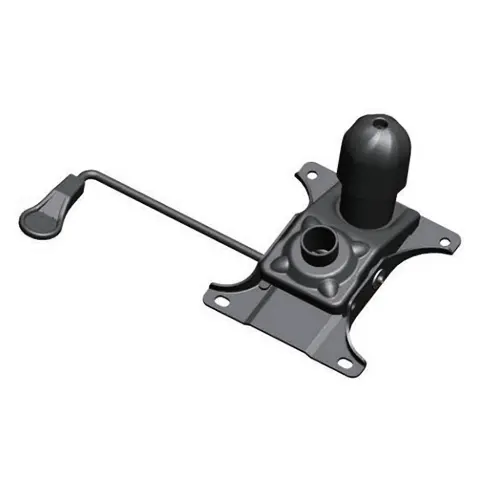
Office Chair Seat Plate: How To Choose the Right Replacement?
What Is an Office Chair Seat Plate?
An office chair seat plate is the metal support component fixed underneath the seat that connects the seat to the chair mechanism and controls functions such as tilting or reclining.
The seat plate is positioned between the chair seat and other components such as the gas lift or tilt mechanism.
Depending on the chair design, the seat plate may provide mounting points for the seat, support the user’s weight, and allow the chair to tilt or move through its mechanism.
If the seat plate becomes bent, cracked, loose, or damaged, the chair may become unstable or difficult to use.
Replacing the correct office chair seat plate can restore the chair without requiring replacement of the entire chair.
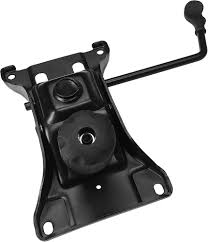
https://jobelservices.co.ke/office-chair-mechanism-2/
What Does an Office Chair Seat Plate Do?
The seat plate performs several important functions.
It can:
- Connect the seat to the chair mechanism
- Provide structural support underneath the seat
- Hold the seat securely in position
- Support tilt or reclining functions
- Connect with the gas lift mechanism through the chair mechanism
- Help distribute the user’s weight across the chair structure
Because the seat plate carries important loads, damage should not be ignored.
If the plate is cracked, badly bent, or unstable, stop using the chair until it has been inspected or repaired.

https://primepathsolutions.co.ke/
What Are the Different Types of Office Chair Seat Plates?
Office chair seat plates can differ according to the chair design and available functions.
1. Standard Office Chair Seat Plate
A standard seat plate provides basic support between the seat and chair mechanism.
It may be suitable for simple office chairs with limited adjustment functions.
2. Tilt Seat Plate
A tilt seat plate works with a chair mechanism that allows the seat or chair to tilt.
The exact design varies between manufacturers and chair models.
3. Lockable Tilt Seat Plate
This type is used with chairs that provide a tilt function with one or more locking positions.
4. Heavy-Duty Seat Plate
Heavy-duty plates are designed for chairs that require stronger structural support.
They may be used on larger office chairs, executive chairs, or chairs designed for higher loads.
5. Replacement Seat Plate
A replacement seat plate is purchased when the original component has become damaged or worn.
The replacement must match the chair’s mounting pattern and mechanism.
When Should You Replace an Office Chair Seat Plate?
You may need to replace an office chair seat plate when the component no longer provides reliable support.
Common warning signs include:
The Seat Is Loose
A loose seat may indicate damaged bolts, mounting holes, or a problem with the seat plate.
The Chair Tilts Unevenly
If the chair suddenly tilts to one side, inspect the seat plate and other supporting components.
The Seat Plate Is Bent
A visibly bent plate may affect the position and stability of the seat.
The Plate Is Cracked
Cracks in the metal structure can create a serious stability problem.
The Chair Makes Unusual Sounds
Clicking, creaking, or grinding may come from loose fittings or damaged moving components.
The Tilt Function Stops Working
If the chair previously tilted correctly but no longer does, the mechanism should be inspected before replacing parts.
How Do You Choose the Right Office Chair Seat Plate?
Choosing an office chair seat plate requires accurate measurements and compatibility checks.
1. Check the Mounting Hole Pattern
The mounting holes underneath the seat are one of the most important factors.
Measure the distance between the holes and compare them with the replacement plate.
2. Measure the Seat Plate
Record the overall length and width of the plate.
Also measure the position of mounting holes and brackets.
3. Check the Chair Mechanism
The seat plate needs to work with the mechanism installed on your chair.
Do not assume that two plates are compatible simply because they look similar.
4. Check the Gas Lift Connection
Some seat plates and mechanisms have different connection arrangements.
Check how the existing component connects to the chair’s gas lift or mechanism.
5. Consider the Chair Size
Larger office chairs may require stronger supporting components.
Consider the size and intended load of the chair before choosing a replacement.
6. Check the Available Functions
Some seat plates work with basic tilt mechanisms while others support additional adjustment features.
Match the replacement to the functions you want to retain.
7. Compare the Old and New Components
If possible, remove the existing plate and compare it directly with the replacement.
Check:
- Shape
- Dimensions
- Mounting holes
- Brackets
- Central connection
- Adjustment lever position
How Do You Measure an Office Chair Seat Plate?
Accurate measurements can reduce the risk of purchasing the wrong replacement.
Before ordering, record:
- Overall plate length
- Overall plate width
- Distance between front mounting holes
- Distance between rear mounting holes
- Distance between left and right mounting holes
- Central mounting or gas lift connection
- Plate thickness where relevant
- Position of the adjustment lever or mechanism
Take clear photographs of both the top and underside of the component.
If possible, photograph the entire chair as well.
These details can help a supplier determine which replacement may be suitable.
Can You Replace an Office Chair Seat Plate Yourself?
Some seat plate replacements can be completed using basic tools.
However, the chair should be handled carefully because several components can carry significant loads.
A typical replacement may involve:
- Turn the chair over carefully.
- Support the chair so it cannot fall.
- Identify the seat plate mounting bolts.
- Remove the bolts securing the plate to the seat.
- Compare the old plate with the replacement.
- Position the new plate correctly.
- Align all mounting holes.
- Install and tighten the required fasteners.
- Reconnect the chair mechanism where applicable.
- Check the chair for stability.
- Test the chair gradually before normal use.
Do not force components into position.
If mounting holes do not align, stop and confirm compatibility rather than drilling new holes into the seat plate or chair.
Safety Considerations When Replacing a Seat Plate
Office chairs can contain pressurized gas lift cylinders and other loaded components.
Do not cut, drill, heat, puncture, or dismantle the gas lift cylinder.
If the seat plate is connected to a pressurized gas lift, use appropriate care when separating components.
For heavy chairs or unfamiliar mechanisms, professional assistance may be safer than attempting the repair without the correct tools or experience.
What Problems Can Develop With an Office Chair Seat Plate?
Several problems can affect the seat plate and its connections.
Loose Mounting Bolts
Regular use can cause fasteners to loosen.
Inspect the mounting points and tighten them when appropriate.
Bent Seat Plate
A bent plate can cause the seat to sit unevenly.
Severe bending may require replacement.
Damaged Mounting Holes
Worn or damaged holes can prevent the seat from being secured properly.
Broken Tilt Connection
Damage around the mechanism connection can affect chair movement.
Rust or Corrosion
Moisture and poor storage conditions can contribute to corrosion.
Severe corrosion can weaken the metal.
How Do You Maintain an Office Chair Seat Plate?
Regular inspection can help identify problems before they become more serious.
Check the Bolts
Inspect the seat mounting bolts periodically.
Inspect for Cracks
Look for cracks, bends, or other visible damage.
Keep the Area Clean
Remove dust and debris from underneath the chair.
Check the Mechanism
Make sure the tilt and adjustment functions operate normally.
Avoid Excessive Loads
Use the chair according to its intended capacity.
Do not stand on the seat or use the chair in ways it was not designed for.
Can an Office Chair Seat Plate Be Repaired?
Minor problems such as loose fasteners may be corrected.
However, a severely cracked, bent, or corroded seat plate may need replacement.
Welding or modifying a structural chair component should only be considered when the repair can safely restore its required strength.
In many cases, replacing a damaged plate with a compatible component is the more practical option.
Office Chair Seat Plate vs Office Chair Mechanism
The office chair seat plate is the supporting component underneath the seat, while the office chair mechanism controls functions such as tilting, reclining, and locking.
Some office chair designs combine these functions into an integrated assembly.
Before ordering a replacement, determine whether you need the seat plate alone or the complete mechanism.
Buying the wrong component can lead to compatibility problems during installation.
Can You Replace an Office Chair Seat Plate Without Replacing the Chair?
Yes, provided the rest of the chair is still in good condition and a compatible replacement is available.
Check the:
- Seat condition
- Backrest
- Gas lift
- Mechanism
- Base
- Wheels
- Armrests
If these components are still functional, replacing the damaged seat plate may be a practical way to extend the life of the chair.
Where Can You Buy an Office Chair Seat Plate in Kenya?
If you need an office chair seat plate in Kenya, identify the existing plate and its mounting pattern before purchasing a replacement.
Take photographs of the underside of the seat and measure the mounting-hole spacing.
Buy an Office Chair Seat Plate in Nairobi
Looking for an office chair seat plate in Nairobi? Contact Jobel Services and ask about available office chair replacement components and seat plate solutions.
You can also visit Jobel Services at Gikomba, Beaver House, opposite NCBA Bank, Nairobi, with the old seat plate, photographs, or measurements where possible.
Get the Correct Office Chair Seat Plate
Do not buy a replacement simply because it looks similar to the old component.
Send Jobel Services clear photographs of your existing seat plate, together with its measurements, mounting-hole spacing, chair details, and mechanism information before purchasing.
This can help determine whether the replacement is suitable for your chair.
Whether you need one replacement seat plate for a home office chair, components for several office chairs, or parts for a larger office furniture repair project, identifying the correct component before purchasing can save time and unnecessary expense.
Need an seat plate in Kenya? Contact Jobel Services today or visit the shop in Gikomba, Beaver House, opposite NCBA Bank, Nairobi, and ask about suitable office chair seat plates and replacement components.
Frequently Asked Questions
What is an office chair seat plate?
An seat plate is the supporting component installed underneath the chair seat. It connects the seat with the chair mechanism and may support tilt or reclining functions.
Can an office chair seat plate be replaced?
Yes. A damaged seat plate can often be replaced if a compatible component is available.
Are office chair seat plates universal?
No. Seat plates can have different dimensions, mounting-hole patterns, mechanisms, and connection arrangements.
How do I measure an office chair seat plate?
Measure the plate’s length and width, mounting-hole spacing, central connection, thickness where relevant, and position of any adjustment lever.
Why is my office chair seat loose?
A loose seat can result from loose bolts, damaged mounting holes, a worn seat plate, or problems with the chair mechanism.
Can I install an office chair seat plate myself?
Some replacements can be installed with basic tools. However, take care when working around the gas lift and other loaded chair components.
Should I replace the seat plate or the entire office chair?
If the rest of the chair is still in good condition, replacing the damaged seat plate may be a practical alternative to buying a new chair.
What should I send a supplier when looking for a replacement?
Provide photographs of the seat plate, mounting points, underside of the seat, chair model if known, and accurate measurements of the mounting holes and plate dimensions.
Conclusion
An seat plate provides important structural support underneath the chair seat and connects the seat to the chair mechanism.
If the plate becomes loose, bent, cracked, corroded, or damaged, replacing it may restore the chair without requiring a complete replacement.
Before buying a replacement, check the plate dimensions, mounting-hole pattern, mechanism compatibility, gas lift connection, chair size, and required functions.
If you are in Nairobi or elsewhere in Kenya, contact Jobel Services for office chair seat plates and replacement components. Visit the shop in Gikomba, Beaver House, opposite NCBA Bank, Nairobi, with photographs or measurements of your existing component.
Choosing the correct seat plate can restore stability, maintain chair functionality, and extend the useful life of an otherwise serviceable office chair.
