

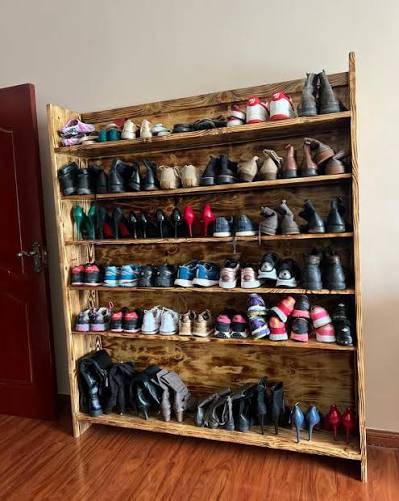
Shoe Racks: How Do You Choose the Right One?
Where Can You Buy Shoe Racks in Kenya?
If you need to buy shoe racks in Kenya, choose a design that accommodates your footwear, fits your available space, and keeps shoes organised and easy to access. The right shoe rack should provide enough storage capacity, support the weight of your footwear, and suit the location where you intend to use it.
Jobel Services serves customers looking for furniture and related hardware products in Nairobi. Before purchasing a shoe rack, consider its dimensions, material, number of shelves, storage capacity, ventilation, and ease of cleaning.
For example, a compact shoe rack may suit an apartment entrance, while a larger multi-tier unit may work better for a family. Offices, schools, and other shared facilities may need durable storage that accommodates several users without blocking walkways.
Measure your available space and estimate the number of pairs you need to store before buying. These simple steps can help you select a practical shoe rack that meets your requirements.
https://jobelservices.co.ke/shop/
What Is a Shoe Rack?
A shoe rack is a storage unit designed to organise footwear in a home, office, or other facility. It provides a designated place for shoes, helping reduce clutter around entrances, bedrooms, wardrobes, and changing areas.
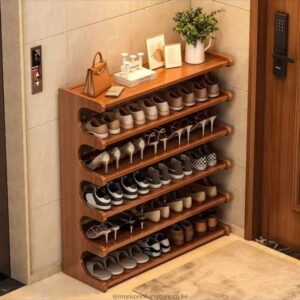
Shoe racks come in different sizes, materials, and configurations. Some have open shelves, while others use enclosed compartments, doors, drawers, or stackable sections.
Depending on the design, a shoe rack can accommodate:
- Everyday shoes and sandals.
- School shoes.
- Formal office shoes.
- Sports shoes and trainers.
- Boots and larger footwear.
- Slippers and indoor footwear.
The best design depends on the number of users, available space, type of footwear, and preferred storage arrangement.
https://primepathsolutions.co.ke/shop/
Why Should You Buy a Suitable Shoe Rack?
A well-chosen shoe rack helps you maintain an organised space while making footwear easier to find.
1. Reduce Clutter
Shoes left near doors, under tables, or beside beds can make a room look untidy. A shoe rack provides a dedicated storage area and helps keep walkways clear.
This is especially useful in apartments, family homes, offices, and shared accommodation.
2. Find Shoes More Easily
When shoes are arranged on shelves, you can see available pairs without searching through piles.
You can organise them by owner, type, colour, or frequency of use. As a result, getting ready for work or school becomes more convenient.
3. Improve Air Circulation
Open shoe racks allow air to circulate around stored footwear. This can help shoes dry after normal use, although it does not replace proper cleaning and drying.
Avoid storing wet shoes in tightly enclosed compartments. Let them dry appropriately before putting them away.
4. Protect Footwear From Damage
Keeping shoes organised reduces the chance of them being crushed, stepped on, or misplaced.
A suitable rack also helps separate different types of footwear, including formal shoes, trainers, sandals, and boots.
5. Use Space More Efficiently
Vertical shoe racks can provide several storage levels within a small floor area.
This is useful in homes and offices where floor space is limited. However, choose a rack that remains stable and does not obstruct entrances or movement.
What Types of Shoe Racks Can You Choose From?
Before buying shoe racks, compare the available designs to find one that matches your storage requirements.
1. Open Shoe Racks
Open shoe racks have exposed shelves that allow you to see and retrieve footwear quickly.
They are suitable for entrances, bedrooms, wardrobes, and changing areas. Their open construction also supports airflow around shoes.
However, shoes stored on open shelves may collect dust more easily, particularly in busy or dusty environments.
2. Multi-Tier Shoe Racks
Multi-tier shoe racks use vertical space to store several rows of footwear.
They are useful for families, shared homes, and people with larger shoe collections.
Before purchasing, check the distance between shelves. Some designs may not provide enough height for boots or bulky footwear.
3. Metal Shoe Racks
Metal shoe racks can provide a practical option for regular use in homes, offices, and shared facilities.
Their strength depends on the metal, frame construction, shelf design, and quality of the joints. Inspect the rack for sharp edges, loose connections, and signs of corrosion.
Also, confirm that the shelves can support the expected load.
4. Wooden Shoe Racks
Wooden shoe racks can complement bedroom furniture, wardrobes, and entrance cabinets.
They are available in different finishes and configurations. Some designs combine open shelves with drawers or enclosed storage.
When comparing wooden models, check the construction material, shelf strength, finish, and resistance to moisture.
5. Plastic Shoe Racks
Plastic shoe racks are often lightweight and easy to move. Depending on the design, they may suit small homes, bedrooms, and temporary storage needs.
However, plastic models vary in strength and durability. Check the stability of the frame and the load capacity before buying.
6. Enclosed Shoe Cabinets
Enclosed shoe cabinets use doors or compartments to conceal footwear.
They can create a neat appearance in entrances, corridors, and bedrooms. Some models also include drawers or additional shelves.
However, enclosed storage may restrict airflow. Allow footwear to dry before storing it, and clean the cabinet regularly.
7. Stackable Shoe Racks
Stackable shoe racks allow you to expand storage by adding compatible sections.
They can be useful when your shoe collection grows or when you need to rearrange a room.
Before buying, confirm that the sections are designed to connect securely. Follow the manufacturer’s instructions and avoid stacking beyond the recommended height.
8. Compact Shoe Racks
Compact shoe racks are designed for smaller spaces, such as narrow entrances, bedrooms, and apartments.
They may hold fewer pairs, but they can help keep frequently used shoes organised without occupying too much floor space.
Measure the intended location carefully and check whether the rack will interfere with doors or nearby furniture.
How Do You Choose the Right Shoe Rack?
The best shoe rack depends on your footwear collection, available space, and daily routine. Consider the following factors before making a purchase.
1. Count the Pairs You Need to Store
Start by estimating how many pairs the rack must accommodate.
A single person may need a compact unit for everyday footwear, while a family may require several shelves or a larger cabinet.
Allow some extra capacity for new purchases and seasonal footwear. However, avoid buying an oversized rack that wastes space.
2. Measure Your Available Space
Measure the width, height, and depth of the intended location.
Also, check door openings, corridor widths, wardrobe access, and nearby furniture. A shoe rack should not obstruct movement or create a tripping hazard.
For narrow entrances, consider a slim unit. For larger rooms, a wider or multi-tier rack may offer more convenient storage.
3. Check Shelf Spacing
Different shoes require different amounts of vertical clearance.
Flat sandals and slippers need less space than trainers or boots. High-top shoes may also require taller compartments.
If you own several types of footwear, choose a design with adjustable shelves or varied compartment heights where possible.
4. Select a Suitable Material
The material affects the rack’s appearance, strength, maintenance, and suitability for the environment.
- Metal: Can provide a sturdy frame when properly constructed and protected against corrosion.
- Wood: Offers a furniture-style appearance and can complement existing interiors.
- Engineered wood: Provides different finishes and price options, depending on its grade and construction.
- Plastic: Can be lightweight and easy to move, although its strength varies.
- Mixed materials: Combine features such as a metal frame and wooden shelves.
Choose according to expected use rather than appearance alone.
5. Consider Ventilation
Footwear can retain moisture after use, particularly in hot weather or following exposure to rain.
Open shelves allow more air to circulate than tightly enclosed compartments. If you prefer a closed cabinet, let shoes dry before storing them and follow suitable cleaning practices.
Avoid storing damp footwear in a way that traps moisture for long periods.
6. Check Stability and Load Capacity
A shoe rack should stand firmly on a level surface.
Check the frame, joints, shelves, and feet for signs of weakness. If you choose a tall or stackable design, follow the manufacturer’s stability and assembly instructions.
Do not overload the rack or place heavy items on shelves that are not designed to support them.
7. Decide Between Open and Closed Storage
Open racks provide quick access and better visibility. Closed cabinets conceal footwear and can create a more uniform appearance.
Choose an open rack if convenience and ventilation are priorities. Consider an enclosed cabinet if you want to reduce visible clutter.
Your decision should also account for cleaning requirements, available space, and the type of footwear being stored.
8. Consider Ease of Cleaning
Shoe racks can collect dust, mud, and debris from footwear.
Choose a design that allows you to reach the shelves and clean beneath the unit. Removable shelves or washable surfaces may make maintenance easier.
If the rack will sit near an entrance, consider how you will manage dirt and moisture brought in from outside.
Which Shoe Rack Is Best for a Small Apartment?
Small apartments benefit from storage solutions that use vertical space and keep entrances clear.
Consider a narrow multi-tier rack, a compact cabinet, or a suitable stackable model. These options can organise several pairs without requiring a large floor area.
Before purchasing, measure the available space and check the rack’s depth. A unit that projects too far into a corridor can make movement difficult.
You should also consider how frequently you use different pairs. Keep everyday shoes within easy reach and place less frequently used footwear on higher or lower shelves, provided they remain safely accessible.
How Do You Choose a Shoe Rack for an Office?
Offices may need shoe storage near entrances, changing areas, staff rooms, or designated spaces for indoor footwear.
Choose a rack that accommodates the expected number of users while keeping corridors and emergency exits clear.
For shared facilities, prioritise stability, durability, easy cleaning, and adequate ventilation. You may also need enough spacing to separate footwear by user or department.
If appearance matters in a reception area, an enclosed shoe cabinet may suit the interior better than an open rack.
Before buying, estimate the number of pairs, measure the installation area, and decide whether open or enclosed storage will work best.
What Should You Consider When Buying Shoe Racks for Schools or Shared Facilities?
Schools, hostels, and other shared facilities may require shoe racks that accommodate many users.
First, estimate the total number of pairs and the space available. Then, choose a layout that makes footwear easy to organise and retrieve.
Durability is particularly important in busy environments. Inspect the frame, shelf supports, joints, and surface finish before purchasing.
You should also consider cleaning, ventilation, and how users will identify their footwear. A clear arrangement can help reduce confusion and prevent shoes from being scattered around entrances.
For tall or stackable units, follow the manufacturer’s installation requirements and ensure that the arrangement remains stable.
Shoe Rack vs. Shoe Cabinet: Which Should You Choose?
A shoe rack generally uses open shelves to keep footwear visible and accessible. A shoe cabinet usually has enclosed compartments or doors that conceal shoes.
Choose an open shoe rack if you want quick access, visibility, and greater airflow. It may also be easier to clean because the shelves are exposed.
Choose a shoe cabinet if you prefer a more concealed storage arrangement or want footwear to remain out of sight.
However, enclosed cabinets need regular cleaning and appropriate ventilation. Always let wet shoes dry before storing them.
If you need both convenience and a tidy appearance, consider a design that combines open shelves with enclosed compartments.
Common Mistakes to Avoid When Buying Shoe Racks
Avoid these mistakes when comparing shoe racks:
- Ignoring measurements: The rack may not fit the available space or could obstruct a walkway.
- Underestimating capacity: Too few shelves may leave shoes scattered around the room.
- Overlooking shelf height: Boots and high-top shoes may not fit in narrow compartments.
- Choosing weak construction: Poorly supported shelves may bend or become unstable.
- Ignoring ventilation: Damp footwear can retain moisture inside enclosed storage.
- Overloading the rack: Excessive weight can damage shelves or joints.
- Forgetting maintenance: Dirt and moisture can build up if the rack is not cleaned regularly.
- Ignoring stability: Tall or stacked units may require special care during assembly and placement.
To avoid these problems, compare dimensions, capacity, material, stability, and cleaning requirements before purchasing.
How Do You Maintain a Shoe Rack?
Regular maintenance helps extend the useful life of your shoe rack.
- Remove dust and dirt regularly. Clean shelves using a method suitable for the material.
- Allow footwear to dry. Avoid placing wet shoes directly into enclosed storage.
- Check the frame and joints. Inspect for loose connections, cracks, or bending.
- Avoid overloading shelves. Keep the weight within the recommended limits.
- Protect wooden surfaces. Avoid excessive moisture and follow the manufacturer’s care instructions.
- Inspect metal parts. Look for corrosion, damaged coatings, or sharp edges.
- Keep the floor beneath the rack clean. Remove dust, mud, and debris.
- Check stacked sections. Ensure they remain connected and stable according to the manufacturer’s instructions.
If a shelf bends or a joint becomes loose, remove the footwear and address the problem before using the rack again.
Where Can You Buy Shoe Racks in Nairobi, Kenya?
If you are ready to buy shoe racks in Nairobi, Jobel Services is a starting point for exploring suitable furniture and related hardware options.
Visit Jobel Services at Gikomba, Beaver House, opposite NCBA Bank, Nairobi. Before visiting, measure the intended location and estimate how many pairs of shoes you need to store.
To help narrow down suitable options, prepare the following information:
- The available width, height, and depth.
- The number of pairs you want to accommodate.
- The types of footwear, including boots or bulky shoes.
- Your preferred material and design.
- Whether you want open shelves or enclosed compartments.
- Your budget and intended location.
You can also send photos of the space where the rack will be installed. Contact Jobel Services before travelling to confirm the availability of a suitable model.
Whether you need shoe storage for an apartment, family home, office, or shared facility, choose a design that provides adequate capacity, stability, ventilation, and convenient access.
Frequently Asked Questions About Shoe Racks
1. How many pairs of shoes can a shoe rack hold?
Capacity depends on the rack’s width, shelf spacing, depth, and design. Check the manufacturer’s stated capacity and consider the size of your footwear before purchasing.
2. Which material is best for a shoe rack?
Metal, wood, engineered wood, and plastic can all suit different needs. Compare construction quality, stability, moisture resistance, maintenance requirements, and price before choosing.
3. Are open shoe racks better than closed cabinets?
Open racks generally provide easier access and more airflow. Closed cabinets conceal footwear and reduce visible clutter. Choose according to your space, storage preferences, and ventilation needs.
4. How do I choose a shoe rack for a small space?
Measure the available area and consider a narrow, compact, or multi-tier design. Check the depth carefully to ensure that the rack does not obstruct doors or walkways.
5. Can shoe racks store boots?
Yes, provided the shelves or compartments offer sufficient height and depth. Check the dimensions before buying, especially if you own tall boots or bulky sports footwear.
6. How do I prevent bad smells in shoe storage?
Allow shoes to dry after use, clean them as appropriate, and avoid storing damp footwear in tightly enclosed spaces. Regularly clean the rack and ensure that the storage area has suitable ventilation.
7. Are stackable shoe racks a good option?
Stackable shoe racks can expand storage without requiring a separate large unit. However, use compatible sections and follow the manufacturer’s instructions to maintain stability.
8. Where can I buy shoe racks in Nairobi?
You can visit Jobel Services at Gikomba, Beaver House, opposite NCBA Bank, Nairobi, to explore relevant furniture and hardware options. Contact the business before visiting to confirm availability.
Conclusion
Choosing the right shoe racks helps you organise footwear, reduce clutter, and make better use of available space. Before buying, consider storage capacity, dimensions, material, shelf spacing, ventilation, stability, and ease of cleaning.
Compact racks may suit apartments and narrow entrances, while larger multi-tier units can serve families and shared facilities. Enclosed cabinets may work better where you want to conceal footwear, while open shelves provide convenient access.
For customers in Nairobi, Jobel Services at Gikomba, Beaver House, opposite NCBA Bank, is a starting point for exploring suitable furniture and hardware options. Prepare your measurements and storage requirements, and confirm availability before travelling.
