

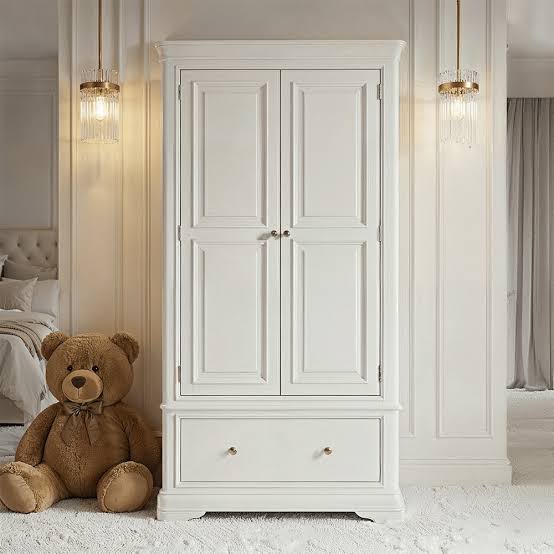
Wardrobes: How Do You Choose the Right One?
Where Can You Buy Wardrobes in Kenya?
If you need to buy wardrobes in Kenya, choose a design that fits your bedroom, provides enough space for your clothes, and suits your storage habits. The right wardrobe should accommodate hanging garments, folded clothes, shoes, and accessories without overcrowding your room.
Jobel Services serves customers looking for furniture and related hardware products in Nairobi. Before purchasing a wardrobe, compare its dimensions, internal layout, construction material, door style, shelving, and available storage compartments.
For example, a compact two-door wardrobe may suit a small apartment, while a larger wardrobe with hanging rails, drawers, and adjustable shelves may work better for a family bedroom. Rental property owners may prioritise durability, practical storage, and easy maintenance.
Measure your available space and estimate your storage needs before buying. These steps will help you select a wardrobe that makes better use of your bedroom while keeping clothing organised.
https://jobelservices.co.ke/shop/
What Is a Wardrobe?
A wardrobe is a storage unit designed primarily for clothes, shoes, accessories, and other personal belongings. It may include hanging rails, shelves, drawers, mirrors, and enclosed compartments.
Wardrobes come in different sizes, designs, materials, and door configurations. Some are compact and freestanding, while others are large units designed to maximise storage along a bedroom wall.
Depending on its layout, a wardrobe can accommodate:
- Shirts, dresses, suits, and coats.
- Trousers, skirts, and folded clothing.
- Shoes and handbags.
- Belts, ties, and other accessories.
- Bedding, towels, and blankets.
- Personal items that need enclosed storage.
The best wardrobe depends on the room dimensions, the number of users, the type of clothing you own, and your preferred organisation system.
https://primepathsolutions.co.ke/shop/
Why Should You Invest in a Suitable Wardrobe?
A well-chosen wardrobe improves organisation and helps you use bedroom space more efficiently.
1. Keep Clothes Organised
A wardrobe gives your clothing a designated storage area. You can separate hanging garments, folded clothes, shoes, and accessories instead of keeping them on chairs or open surfaces.
As a result, your bedroom can remain tidier and your belongings become easier to find.
2. Protect Clothing From Dust
Enclosed wardrobe doors help reduce direct exposure to dust. This is particularly useful for clothes stored for special occasions or garments that you do not wear every day.
However, clothing should be clean and dry before storage. Good ventilation and regular cleaning also help maintain a suitable storage environment.
3. Make Better Use of Bedroom Space
A wardrobe can combine hanging space, shelves, and drawers in one unit.
Tall wardrobes use vertical space, while sliding-door designs may help reduce the clearance needed in front of the furniture. This can be useful in smaller bedrooms and apartments.
4. Improve Bedroom Appearance
A wardrobe can complement your bed, bedside tables, dressing table, and other furniture.
Choosing a suitable colour, finish, and design helps create a coordinated bedroom. Nevertheless, storage capacity and construction quality should remain priorities.
5. Support Better Organisation in Rental Properties
Landlords and property managers may use wardrobes to improve the functionality of furnished apartments, guest rooms, and rental accommodation.
A practical design provides storage for tenants while helping keep the bedroom organised. For rental properties, consider durable construction, easy-to-clean surfaces, and fittings that can be maintained or replaced when necessary.
What Types of Wardrobes Can You Choose From?
Before buying wardrobes, compare the main designs and identify which one best matches your space and storage requirements.
1. Freestanding Wardrobes
Freestanding wardrobes are complete furniture units that can stand independently in a bedroom.
They are suitable for homes, apartments, guest rooms, and rental properties. Depending on their construction, they may also be easier to relocate than built-in units.
Before buying, check the wardrobe’s dimensions, stability, storage layout, and assembly requirements.
2. Sliding-Door Wardrobes
Sliding-door wardrobes use doors that move along tracks instead of swinging outward.
They can be useful in bedrooms with limited floor space because the doors require less opening clearance.
However, check the quality of the tracks, rollers, door alignment, and handles. Poorly maintained or weak sliding mechanisms can make the doors difficult to operate.
3. Hinged-Door Wardrobes
Hinged-door wardrobes use doors attached with hinges. They provide access to the wardrobe interior when the doors swing open.
These designs can work well in bedrooms with enough clearance in front of the unit.
Inspect the hinges and door alignment before purchasing. You should also consider whether open doors will interfere with beds, bedside tables, or walkways.
4. Wardrobes With Drawers
Some wardrobes include drawers for folded clothes, underwear, socks, accessories, and other small items.
This arrangement helps separate clothing by category and reduces the need for additional storage furniture.
Check drawer depth, runner quality, and how smoothly the drawers open and close.
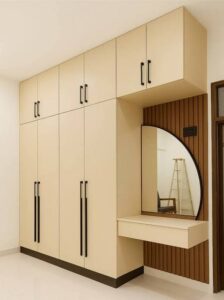
5. Wardrobes With Mirrors
Mirrored wardrobes combine clothing storage with a reflective surface that can support dressing and grooming.
A mirror may also help a small bedroom feel more open. However, check the mirror’s installation, edges, and protection against damage.
6. Corner Wardrobes
Corner wardrobes are designed to fit into suitable room corners.
They can help use awkward spaces, but their dimensions and internal layout must match the room. Measure the available walls and check door clearance before purchasing.
7. Compact Two-Door Wardrobes
Two-door wardrobes can provide practical storage for one person or a smaller clothing collection.
They may suit student accommodation, guest rooms, and compact apartments.
Before choosing one, confirm that it has enough hanging space and shelving for your actual needs.
8. Large Multi-Door Wardrobes
Large wardrobes provide more storage space for couples, families, and people with extensive clothing collections.
They may include several hanging sections, drawers, shelves, and accessory compartments.
However, large units require more floor or wall space and may be difficult to move through narrow entrances. Check delivery access as well as the final installation area.
9. Built-In Wardrobes
Built-in wardrobes are designed to fit a specific space, often along a wall or between structural features.
They can make efficient use of available room dimensions, particularly where standard freestanding furniture does not fit well.
However, built-in designs may require professional measurement and installation. Consider the cost, permanence, access to internal fittings, and future changes to the room.
How Do You Choose the Right Wardrobe?
The best wardrobe should fit your room while providing practical storage for your belongings. Consider these factors before making a purchase.
1. Measure Your Bedroom
Measure the available width, height, and depth before selecting a wardrobe.
Also, consider skirting boards, windows, doors, electrical sockets, and nearby furniture. A wardrobe may fit against a wall but still block a window or prevent a bedroom door from opening fully.
If you are considering a tall wardrobe, check the ceiling height and the space needed to assemble or position it safely.
For rental properties, measure the room before purchasing several units so that the furniture fits consistently across the bedrooms.
2. Estimate Your Storage Requirements
Think about how much clothing and how many personal items you need to store.
Do you mainly hang shirts, dresses, and suits? Do you need space for folded clothes, bedding, shoes, or bags?
Make a simple list of the items you want to store. Then compare the internal layout of each wardrobe.
A wardrobe with several hanging sections may be useful for formal clothing. If you prefer folded clothes, look for adequate shelves and drawers.
3. Check the Hanging Space
The hanging rail is an important feature if you own garments that crease easily or need to retain their shape.
Check the rail length and the vertical clearance beneath it. Long dresses and coats need more hanging height than shirts and jackets.
If you have different types of clothing, consider a wardrobe with separate short- and long-hanging sections.
Also, inspect the rail supports and confirm that they are suitable for the expected load.
4. Consider Shelves and Drawers
Shelves and drawers help organise items that do not need to hang.
Adjustable shelves offer flexibility if your storage needs change. Drawers are useful for smaller garments and accessories.
However, ensure that the wardrobe provides enough space for both hanging clothes and folded items. A large exterior does not automatically mean the internal layout will suit your needs.
5. Choose a Suitable Material
Wardrobe materials affect durability, appearance, maintenance, and cost.
- Solid wood: Can provide a durable and traditional appearance, depending on the species, construction, and care.
- Plywood: Quality plywood can offer useful strength and dimensional stability.
- MDF: Provides a smooth surface for many finishes but requires protection from excessive moisture.
- Particleboard: Can be an economical option, although its performance depends on grade, thickness, and construction.
- Metal: May be suitable for practical or institutional storage, depending on the design and finish.
Compare the material, thickness, joints, backing, and fittings rather than judging the wardrobe by its exterior finish alone.
6. Decide Between Sliding and Hinged Doors
Your bedroom layout should influence your door choice.
Sliding doors can help save opening space, making them useful in narrow bedrooms. Hinged doors provide full access to the wardrobe interior when opened, but they require enough clearance.
If you choose sliding doors, check the track and roller system. For hinged doors, inspect the hinges and ensure that the doors align correctly.
7. Check the Wardrobe’s Stability
A wardrobe should stand securely on a suitable, level surface.
Inspect the frame, joints, backing, feet, and assembly fittings. Avoid units that wobble or show signs of damage.
Tall wardrobes may need to be anchored to a suitable wall according to the manufacturer’s instructions. This is particularly important in homes with children.
Do not climb on wardrobe shelves or use drawers as steps.
8. Consider Ventilation and Moisture
Clothes should be stored in a clean, dry environment. Persistent moisture can damage some wardrobe materials and contribute to unpleasant smells or mould growth.
Avoid placing a wardrobe against a damp wall. Allow sufficient air circulation around the unit where appropriate, and make sure clothes are dry before storing them.
For bedrooms with moisture problems, address the underlying source rather than relying on the wardrobe alone to protect your belongings.
9. Match the Wardrobe to Your Budget
Set a budget before comparing models. Consider not only the purchase price but also delivery, assembly, installation, and future maintenance.
A lower-priced wardrobe may suit a guest room or temporary accommodation. For daily family use, stronger construction and reliable fittings may justify a higher initial cost.
Compare the storage layout and build quality of each option to determine which offers the best value for your needs.
Which Wardrobes Are Best for Small Bedrooms?
Small bedrooms require furniture that provides sufficient storage without making movement difficult.
Consider these options:
- Sliding-door wardrobes: Reduce the clearance needed in front of the unit.
- Tall wardrobes: Use vertical space where ceiling height allows.
- Compact two-door wardrobes: Suit smaller clothing collections.
- Wardrobes with built-in drawers: Combine different storage functions in one unit.
- Corner wardrobes: May use suitable corner space efficiently.
Measure the room carefully before purchasing. Ensure there is enough room to access the bed, windows, drawers, and other furniture.
Also, avoid selecting a wardrobe solely because it is tall. Confirm that its internal storage arrangement accommodates your clothing.
How Do You Choose Wardrobes for Rental Properties?
Wardrobes for rental properties should balance durability, practical storage, appearance, and maintenance.
Start by measuring each bedroom and identifying the likely storage needs of the occupants. Furnished apartments may require more storage than short-stay rooms with limited personal belongings.
Choose a design with a useful combination of hanging space and shelves. If several properties need wardrobes, consider standardising the dimensions or design where this makes replacement and maintenance easier.
Pay particular attention to hinges, sliding tracks, handles, drawer runners, and assembly fittings. These components may require maintenance with regular use.
Before purchasing multiple units, confirm the dimensions and installation requirements for each room. This can help prevent expensive delivery or fitting problems.
What Should You Consider When Buying a Wardrobe for a Couple?
A wardrobe for two people needs a practical arrangement that allows both users to organise their belongings.
Consider separate hanging sections, adequate shelving, and enough drawer space. You may also want dedicated compartments for shoes, bags, accessories, and bedding.
If the room is large enough, a wider wardrobe with several doors may provide better separation. In a smaller bedroom, a compact design with an efficient internal layout may be more appropriate.
Discuss the storage requirements of both users before buying. This helps ensure that the wardrobe offers useful space instead of simply having a large exterior.
Wardrobe vs. Chest of Drawers: Which Should You Choose?
A wardrobe usually combines hanging space with shelves or drawers. A chest of drawers mainly provides drawer-based storage for folded clothing and smaller items.
Choose a wardrobe if you need to hang dresses, suits, shirts, coats, and other garments. Choose a chest of drawers if you mainly store folded clothes and accessories.
If you have enough space and need both functions, combining a wardrobe with a chest of drawers may provide a more flexible storage arrangement.
However, measure the bedroom before purchasing additional furniture to ensure that the layout remains practical.
Common Mistakes to Avoid When Buying Wardrobes
Avoid these mistakes when comparing wardrobes:
- Ignoring measurements: The unit may not fit the bedroom or pass through the entrance.
- Choosing the wrong door design: Hinged doors may obstruct furniture, while poor sliding mechanisms can become difficult to operate.
- Overlooking internal layout: A large wardrobe may still lack sufficient hanging space or drawers.
- Ignoring construction quality: Weak joints and poor fittings can reduce durability.
- Forgetting installation requirements: Tall or heavy units may need appropriate assembly and anchoring.
- Choosing an unsuitable material: Some materials may not perform well in damp environments.
- Failing to consider future needs: Your clothing collection may grow over time.
- Buying based on appearance alone: A decorative finish cannot compensate for inadequate storage or poor construction.
Before purchasing, compare dimensions, material, internal layout, fittings, and installation requirements.
How Do You Maintain a Wardrobe?
Regular maintenance helps keep your wardrobe functional and presentable.
- Clean the exterior. Use a suitable cleaning method for the material and finish.
- Keep the interior dry. Store clean, dry clothes and address moisture problems promptly.
- Check the hinges and tracks. Inspect doors for loose fittings, poor alignment, or difficult movement.
- Inspect drawer runners. Keep drawers free from excessive loads and debris.
- Avoid overloading shelves and rails. Follow the manufacturer’s load recommendations.
- Check the frame and joints. Address loose connections or signs of instability.
- Maintain the mirror. Use suitable products and avoid damaging its edges.
- Keep the wardrobe stable. Follow the manufacturer’s assembly and anchoring instructions.
If a wardrobe begins to lean, wobble, or develop structural damage, remove heavy contents and address the problem before continuing normal use.
Where Can You Buy Wardrobes in Nairobi, Kenya?
If you are ready to buy wardrobes in Nairobi, Jobel Services is a starting point for exploring furniture and related hardware options.
Visit Jobel Services at Gikomba, Beaver House, opposite NCBA Bank, Nairobi. Before visiting, prepare your bedroom measurements and estimate the storage capacity you require.
To help narrow down suitable options, provide the following details:
- The available width, height, and depth.
- The number of people using the wardrobe.
- Your need for hanging rails, shelves, drawers, or shoe compartments.
- Your preferred door style and material.
- Whether the wardrobe is for a home, apartment, guest room, or rental property.
- Your budget and installation requirements.
You can also send photos of the bedroom and the space where you want to position the wardrobe. Contact Jobel Services before travelling to confirm the availability of a suitable model.
Whether you are furnishing a new home, upgrading a bedroom, or preparing a rental property, choose a wardrobe that provides practical storage, reliable construction, and a design that fits the room.
Frequently Asked Questions About Wardrobes
1. What size wardrobe should I buy?
Choose a wardrobe that fits the available space and accommodates your clothing. Measure the width, height, and depth of the intended location, then check the internal layout and door clearance.
2. Are sliding-door wardrobes better for small bedrooms?
Sliding-door wardrobes can work well in small bedrooms because their doors do not swing outward. However, compare the internal layout, track quality, and total dimensions before buying.
3. Which material is best for a wardrobe?
The best material depends on your budget, preferred appearance, expected use, and environment. Compare solid wood, plywood, MDF, particleboard, and metal designs based on their construction and maintenance requirements.
4. How do I choose a wardrobe for two people?
Look for enough hanging space, shelves, and drawers for both users. Separate storage sections can make it easier to organise clothes and accessories.
5. Can I use a wardrobe in a rental property?
Yes. Choose a wardrobe with practical storage, durable fittings, and surfaces that are easy to clean. Confirm the room dimensions and installation requirements before purchasing.
6. How do I protect clothes inside a wardrobe?
Store clean, dry clothes and keep the wardrobe interior clean. Avoid placing the unit against damp walls, and address moisture problems promptly.
7. Do tall wardrobes need to be secured to a wall?
Some tall wardrobes require anchoring to reduce the risk of tipping. Follow the manufacturer’s instructions and use suitable fixings for the wall construction.
8. Where can I buy wardrobes in Nairobi?
You can visit Jobel Services at Gikomba, Beaver House, opposite NCBA Bank, Nairobi, to explore relevant furniture and hardware options. Contact the business before visiting to confirm availability.
Conclusion
Choosing the right wardrobes involves more than selecting a design that matches your bedroom. You also need to consider room dimensions, clothing storage, materials, door mechanisms, stability, and maintenance.
Compact wardrobes may suit smaller apartments, while larger designs can provide better storage for couples and families. Rental property owners should prioritise practical layouts, durable fittings, and easy maintenance.
Before buying, measure your available space, list your storage requirements, and compare suitable options. For customers in Nairobi, Jobel Services at Gikomba, Beaver House, opposite NCBA Bank, is a starting point for exploring relevant furniture and hardware products.
Prepare your measurements and photos, and contact the business to confirm availability before travelling.
