

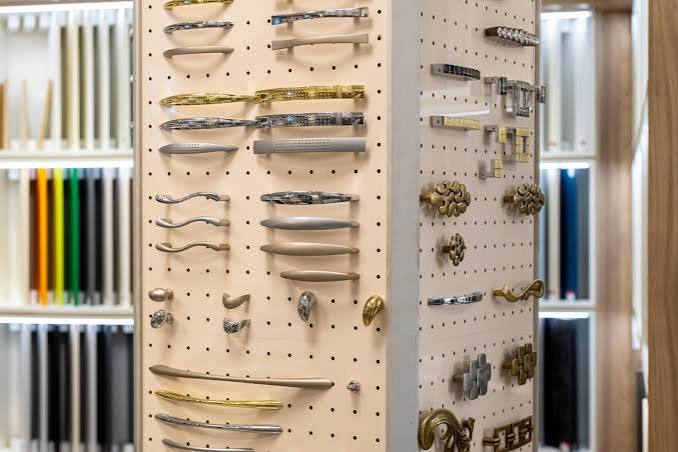
Wardrobe Door Handles
Wardrobe Door Handles: How Do You Choose the Right Size and Style?
Direct Answer
The right wardrobe door handles should match the door size, door type, mounting-hole spacing, handle length, material, and required grip. Hinged and sliding wardrobes can require different handle designs, so measure the existing fittings before buying replacement handles.

https://jobelservices.co.ke/cabinet-door-handles/
Complete Guide to Wardrobe Door Handles
Wardrobe handles are used frequently, so they need to provide a secure and comfortable grip.
The correct handle also needs to match the wardrobe door construction.
Wardrobe door handles are commonly used on:
- Wooden wardrobes.
- MDF wardrobes.
- Sliding wardrobes.
- Hinged wardrobes.
- Bedroom storage units.
- Office wardrobes.
- Custom furniture.
If you are replacing an existing handle, measure the current fitting before purchasing.
Jobel Hardware supplies wardrobe door handles and furniture hardware for residential, office, commercial, and custom furniture projects across Kenya.

https://primepathsolutions.co.ke/
What Are Wardrobe Door Handles?
Wardrobe door handles are fittings attached to wardrobe doors to make opening and closing easier.
They come in different:
- Lengths.
- Shapes.
- Materials.
- Finishes.
- Mounting configurations.
The correct option depends on the wardrobe door design.
Types of Wardrobe Door Handles
Bar Handles
Bar handles provide a long gripping surface.
They are suitable for many hinged wardrobe doors and larger furniture panels.
Pull Handles
Pull handles provide space between your hand and the door surface.
They can work well on larger wardrobe doors.
T-Bar Handles
T-bar handles have a compact grip and can suit modern furniture.
Cabinet Knobs
Knobs use a single mounting point.
They can work on smaller wardrobe doors where a compact handle is preferred.
Recessed Handles
Recessed handles sit partially inside the door.
They are particularly useful for some sliding wardrobe designs because they reduce the amount the handle protrudes from the door.
How Do You Choose Wardrobe Door Handles?
1. Check the Wardrobe Door Type
First determine whether the wardrobe has:
- Hinged doors.
- Sliding doors.
- Folding doors.
- Another door configuration.
The door type affects the appropriate handle design.
2. Measure the Existing Handle
If you are replacing a handle, measure the existing mounting-hole spacing.
For two-hole handles, measure from the centre of one hole to the centre of the other.
3. Consider Door Size
Large wardrobe doors generally need handles that provide sufficient grip.
Smaller doors can use more compact designs.
4. Check Door Thickness
The mounting screws must be suitable for the thickness of the wardrobe door.
5. Choose the Material
Common handle materials include:
- Aluminium.
- Stainless steel.
- Brass.
- Zinc alloy.
- Other furniture-grade materials.
6. Choose the Finish
The finish should complement the wardrobe and other furniture hardware.
Common options include:
- Black.
- Silver.
- Chrome.
- Brushed finishes.
- Brass finishes.
What Size Wardrobe Handle Should You Choose?
There is no universal handle size for wardrobes.
Consider:
- Door height.
- Door width.
- Door weight.
- Handle position.
- Required grip.
- Existing hole spacing.
Large wardrobe doors can benefit from longer handles.
For replacement projects, matching the existing hole spacing is usually more important than matching the total handle length.
How Do You Measure Wardrobe Door Handles?
Use these measurements when replacing existing handles.
Hole Spacing
Measure between the centres of the mounting holes.
Overall Handle Length
Measure from one end of the handle to the other.
Door Thickness
Measure the thickness of the wardrobe door.
Handle Projection
Check how far the handle extends from the door.
Screw Length
Confirm that the screws are suitable for the door thickness.
Wardrobe Handles for Sliding Doors
Sliding wardrobe doors move along tracks instead of swinging outward.
Because the door moves past another panel, a large protruding handle may interfere with the sliding mechanism or adjacent door.
Recessed or low-profile handles can be suitable for some sliding wardrobe designs.
Always check the door system before selecting the handle.
Wardrobe Handles for Hinged Doors
Hinged wardrobe doors generally provide more flexibility because the door swings outward.
Bar handles and pull handles can work well on these doors.
Choose a handle that provides comfortable access without interfering with nearby doors.
Wardrobe Door Handles for Wooden Doors
Wooden wardrobe doors can accommodate many handle designs.
Before drilling, check:
- Door thickness.
- Handle spacing.
- Handle position.
- Screw length.
Measure carefully to avoid unnecessary holes in the door.
Wardrobe Door Handles for MDF Doors
MDF furniture can also use many types of wardrobe handles.
Use suitable mounting hardware and avoid overtightening the screws.
Excessive tightening can damage the panel around the mounting point.
How to Install Wardrobe Door Handles
A typical installation involves:
- Measure the wardrobe door.
- Determine the handle position.
- Check the mounting-hole spacing.
- Mark the fixing points.
- Drill the holes if necessary.
- Insert the screws.
- Position the handle.
- Tighten the screws.
- Check alignment.
- Test the door.
For multiple wardrobe doors, use consistent measurements so that the handles line up correctly.
Common Wardrobe Handle Problems
Handle Becomes Loose
The mounting screws may have loosened.
Check the screws and inspect the door around the fixing points.
Handle Does Not Fit Existing Holes
The hole spacing may be different.
Measure the existing holes before purchasing.
Handle Interferes With Sliding Doors
The handle may protrude too far.
A recessed or lower-profile design may be more suitable.
Handle Cracks
The handle may be damaged or unsuitable for the application.
Handles Are Misaligned
The mounting points may have been marked inconsistently.
Use a measuring guide when installing multiple handles.
When Should You Replace Wardrobe Door Handles?
Replace handles when:
- They break.
- They become loose repeatedly.
- The finish deteriorates.
- The grip becomes uncomfortable.
- The handle interferes with the door.
- You are renovating the wardrobe.
- You want to update the furniture appearance.
Benefits of Replacing Wardrobe Door Handles
Easier Door Operation
A suitable handle gives you a better grip.
Updated Furniture Appearance
New handles can change the appearance of an older wardrobe.
Better Compatibility
A replacement handle can solve problems caused by damaged or unsuitable fittings.
Affordable Upgrade
Changing the handles can update a wardrobe without replacing the entire unit.
Consistent Design
Matching handles can create a uniform appearance across multiple wardrobe doors.
Wardrobe Handles vs Cabinet Handles
| Feature | Wardrobe Handles | Cabinet Handles |
|---|---|---|
| Typical Door Size | Larger | Smaller to medium |
| Handle Length | Often longer | Varies |
| Sliding Door Use | Common | Less common |
| Hinged Door Use | Common | Common |
| Grip Requirement | Often larger | Varies |
| Installation | Depends on door design | Depends on cabinet design |
The terms can overlap, but wardrobe handles are often selected with larger doors and different door configurations in mind.
Common Installation Mistakes
Avoid:
- Ignoring door thickness.
- Measuring total handle length instead of hole spacing.
- Drilling without marking carefully.
- Using screws that are too long.
- Overtightening screws.
- Installing protruding handles on incompatible sliding doors.
- Positioning handles inconsistently.
How to Maintain Wardrobe Door Handles
- Clean handles regularly.
- Check mounting screws.
- Tighten loose fittings.
- Inspect the handle for cracks.
- Check that sliding doors can move freely.
- Replace damaged handles.
Why Buy Wardrobe Door Handles from Jobel Hardware?
Jobel Hardware supplies wardrobe door handles and furniture hardware for:
- Hinged wardrobes.
- Sliding wardrobes.
- Bedroom furniture.
- Office storage.
- Custom furniture.
- Furniture repair projects.
Before purchasing, confirm the door type, handle size, hole spacing, door thickness, material, finish, and mounting requirements.
Frequently Asked Questions
What type of handle is best for a wardrobe?
The best handle depends on the wardrobe door design. Bar and pull handles work well for many hinged doors, while recessed or low-profile handles can suit certain sliding doors.
What size handle should I use for a wardrobe?
Choose based on the door size, required grip, handle position, and existing hole spacing.
How do I measure wardrobe handle spacing?
Measure from the centre of one mounting hole to the centre of the other.
Can I use cabinet handles on wardrobe doors?
Yes, if the handle dimensions, mounting system, door thickness, and design are compatible.
Can I replace wardrobe knobs with handles?
Yes. However, a handle commonly requires two mounting holes, while a knob usually requires one.
Are recessed handles good for sliding wardrobes?
They can be suitable for some sliding wardrobe systems because they reduce the handle’s projection from the door.
How do I stop wardrobe handles from becoming loose?
Check the mounting screws regularly. If the panel around the mounting point has become damaged, repair the fixing area before installing another handle.
Conclusion
Wardrobe door handles affect how easily you operate your wardrobe and how the furniture looks. The right choice depends on door type, door size, handle dimensions, hole spacing, material, finish, and mounting requirements.
For replacement handles, measure the existing fitting before purchasing.
Jobel Hardware supplies wardrobe door handles and furniture hardware for homes, offices, commercial spaces, and custom furniture projects across Kenya.
