

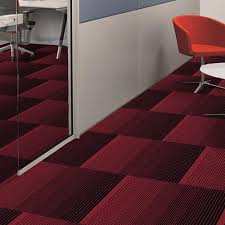
Carpet Tiles in Kenya: Prices, Benefits and Buying Guide
Carpet Tiles in Kenya: How Do You Choose the Best Flooring for Your Space?
If you want practical, attractive flooring for an office, boardroom, hotel or home, carpet tiles in Kenya offer a flexible solution that combines comfort, sound absorption and easier maintenance. Jobel Services supplies carpet tiles and provides installation services for customers looking to improve their interior spaces.
Unlike traditional wall-to-wall carpets, carpet tiles come in separate sections. You can arrange them in different patterns, replace individual damaged sections and create flooring designs that match your interior.
However, choosing the right carpet tiles requires more than selecting an attractive colour. You should consider foot traffic, material, backing, thickness, cleaning requirements and installation costs.
This guide explains what to check before buying carpet tiles in Kenya and how to get suitable flooring for your property.
What Are Carpet Tiles?
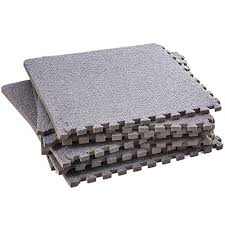
Carpet tiles are individual sections of carpet designed to fit together and cover a floor. They are also known as modular carpet flooring.
Each tile forms part of a larger flooring surface. Installers arrange the sections in a selected pattern to create a consistent finish or a combination of colours and designs.
Carpet tiles are commonly used in:
- Corporate offices.
- Boardrooms and meeting rooms.
- Hotels and hospitality spaces.
- Retail shops.
- Schools and learning institutions.
- Libraries.
- Reception areas.
- Home offices.
- Residential living spaces.
Their modular construction makes them useful in spaces where flooring needs regular maintenance or occasional replacement.
Jobel Services lists carpet tiles flooring in its online shop for customers exploring flooring options in Kenya.
https://www.jobelgeneralhardware.com/shop
Why Choose Carpet Tiles Instead of Wall-to-Wall Carpets?
Both flooring options can improve the appearance and comfort of an interior. However, they differ in installation, maintenance and replacement.
1. Individual Tile Replacement
One major advantage of carpet tiles is that you can replace individual damaged sections.
For example, if a section near an office entrance becomes badly stained, you may only need to replace the affected tiles. You do not necessarily have to remove the entire floor covering.
This can simplify maintenance in busy commercial environments.
2. Flexible Flooring Designs
Carpet tiles allow you to combine colours, patterns and textures.
You can use one colour throughout a room or create different sections to define specific areas. For example, an office can use contrasting tile colours to distinguish walkways from workstations.
This flexibility also helps businesses coordinate flooring with their brand colours and interior design.
3. Easier Maintenance Planning
Modular flooring allows you to identify and replace damaged sections without disturbing the entire floor.
However, keep spare tiles where possible. Replacement tiles should match the original product in colour, texture, dimensions and batch where available.
4. Improved Indoor Comfort
Carpet tiles provide a softer surface than many hard flooring materials.
They can also help reduce some impact noise from footsteps and moving furniture. This makes them worth considering in offices, meeting rooms and other spaces where sound control matters.
The actual acoustic performance depends on the carpet construction, backing, underlay and installation.
5. Practical Installation
Carpet tiles can be installed in sections. This allows installers to work systematically across a room.
However, proper preparation remains important. The floor must be suitable, clean and sufficiently level for the selected flooring system.
Where Can You Install Carpet Tiles?
Carpet tiles work in different environments. Your choice should depend on the expected traffic, cleaning demands and appearance requirements.
Carpet Tiles for Offices
Office flooring must handle regular movement from employees, visitors and office furniture.
Carpet tiles can help create a professional environment while reducing some noise from foot traffic.
They are particularly useful in:
- Open-plan offices.
- Private offices.
- Reception areas.
- Shared workspaces.
- Training rooms.
- Administrative departments.
For busy offices, prioritise products designed for commercial use. Ask about wear resistance, backing construction and cleaning requirements before purchasing.
Carpet Tiles for Boardrooms
A boardroom should provide a comfortable environment for meetings and presentations.
Carpet tiles can improve the room’s appearance and help reduce footstep noise. You can select colours that complement conference tables, boardroom chairs and wall finishes.
Consider darker or patterned designs where regular foot traffic may make dirt more visible on lighter flooring.
Carpet Tiles for Hotels
Hotels need flooring that supports their interior design while remaining practical to maintain.
Carpet tiles may suit selected guest rooms, meeting areas and other spaces where modular replacement is useful.
However, different hotel areas experience different levels of traffic. Choose flooring according to the specific location rather than using one product everywhere.
Carpet Tiles for Retail Shops
Retail flooring must accommodate customers, employees, display equipment and frequent movement.
Before installation, consider:
- Expected daily foot traffic.
- Cleaning frequency.
- Resistance to wear.
- Furniture and display arrangements.
- Colour and pattern.
- Maintenance access.
For entrances and other heavily used areas, confirm that the selected carpet tile is suitable for the expected conditions.
Carpet Tiles for Homes
Carpet tiles can also improve residential interiors.
You can consider them for:
- Home offices.
- Bedrooms.
- Study rooms.
- Private lounges.
- Selected living areas.
Choose a product that suits your household’s cleaning requirements and daily activities.
For areas exposed to frequent moisture, spills or outdoor dirt, check whether carpet flooring is appropriate before installation.
How Do You Choose the Best Carpet Tiles in Kenya?
The best carpet tiles depend on your room, budget and expected use. Use these factors when comparing products.
1. Consider the Amount of Foot Traffic
Start by identifying how many people will use the space.
A private home office may experience limited movement. A corporate reception area may receive visitors throughout the day.
High-traffic spaces need carpet tiles designed for more demanding use.
Ask the supplier about the product’s intended application and wear performance. Do not assume that every carpet tile is suitable for commercial use.
2. Choose the Right Material
Carpet tiles can use different fibres and construction methods.
Common carpet fibre types include:
Nylon: Often selected for commercial flooring because of its durability and resilience.
Polypropylene: Used in some carpet products and can offer practical stain-resistance properties, depending on construction.
Polyester: Available in different textures and colours. Its suitability depends on the intended application and product quality.
Wool: A natural fibre used in some premium carpet products. It requires appropriate care and maintenance.
Ask Jobel Services to confirm the material of the specific carpet tiles available before purchasing.
3. Check the Carpet Backing
The backing supports the carpet tile and affects how it performs after installation.
Different products use different backing materials and construction methods.
When comparing options, ask about:
- Backing material.
- Dimensional stability.
- Installation requirements.
- Moisture considerations.
- Compatibility with the recommended adhesive.
The correct backing depends on the product and the condition of your floor.
4. Select a Suitable Colour
Colour affects the appearance and maintenance of your flooring.
Light colours can make a room appear brighter. However, they may show dirt more easily in busy areas.
Darker colours can help conceal some everyday marks, although dust and certain stains may remain visible.
Patterned carpet tiles offer another option because they can create visual interest while helping disguise minor variations in appearance.
Consider your wall colours, furniture, lighting and brand identity before choosing.
5. Check Tile Dimensions
Carpet tiles are available in different sizes.
Before purchasing, confirm the dimensions of the specific product. This information helps you calculate the number of tiles required.
Do not assume that all carpet tile use the same measurements.
6. Consider Thickness and Texture
Thickness and texture affect the feel and appearance of the flooring.
A thicker tile may provide a different underfoot experience from a low-profile commercial tile. However, thickness alone does not determine durability.
Consider the following:
- Intended use.
- Furniture weight.
- Door clearance.
- Cleaning requirements.
- Installation method.
- Expected foot traffic.
Choose a product that suits the room rather than selecting the thickest option automatically.
7. Ask About Stain Resistance
Spills can occur in offices, hotels, homes and retail spaces.
Ask whether the carpet tiles have a stain-resistant treatment and what cleaning products the manufacturer recommends.
Also confirm how quickly you should clean spills. Prompt attention can help prevent stains from becoming difficult to remove.
8. Compare the Total Installation Cost
The purchase price is only one part of your flooring budget.
Your total cost may include:
- Carpet tile.
- Floor preparation.
- Adhesive or installation materials.
- Labour.
- Cutting and finishing.
- Removal of existing flooring.
- Transportation.
- Waste allowance.
Request a quotation that explains the costs involved. This helps you compare suppliers more accurately.
How Many Carpet Tiles Do You Need?
The quantity depends on the floor area, tile dimensions and additional allowance for cutting and replacement.
You can estimate the required quantity using this formula:
Number of tiles = Total floor area ÷ Area covered by one tile
For example, assume you want to cover a room measuring 5 metres by 4 metres.
Room area:
5 × 4 = 20 square metres.
If each carpet tile measures 0.5 metres by 0.5 metres:
Tile area:
0.5 × 0.5 = 0.25 square metres.
Required tiles:
20 ÷ 0.25 = 80 tiles.
You would need 80 tiles before allowing for cutting, installation waste and spare replacements.
The final quantity may be higher depending on the room layout and installation pattern.
For an accurate quotation, provide the supplier with the room dimensions and a simple floor plan where possible.
How Much Do Carpet Tiles Cost in Kenya?
The cost of carpet tile in Kenya depends on several factors.
These include:
- Carpet fibre and material.
- Tile dimensions.
- Backing construction.
- Thickness and texture.
- Design and colour.
- Commercial or residential application.
- Quantity purchased.
- Installation requirements.
There is no single price that applies to every carpet tile.
Jobel Services lists carpet tile flooring in its online shop. However, you should confirm the current selling price, available designs, dimensions and installation charges directly with the business.
When requesting a quotation, provide the total floor area and intended use. If you are furnishing an office, also indicate the number of rooms and expected foot traffic.
This information helps the supplier understand your requirements and recommend a suitable option.
How Are Carpet Tiles Installed?
The installation method depends on the product, backing and manufacturer’s instructions.
A typical installation process involves the following stages.
Step 1: Measure the Room
Measure the length and width of the floor.
Calculate the total area and identify any unusual sections, corners, columns or fixed furniture.
Accurate measurements help determine the quantity of carpet tiles required.
Step 2: Prepare the Floor
Remove dirt, dust, grease and loose materials.
The floor should be clean, dry and suitable for the selected installation method.
Inspect it for cracks, uneven sections and moisture problems. Address these issues before installing the carpet tiles.
Step 3: Plan the Layout
Determine where the installation should begin.
Installers may mark reference lines to maintain alignment and achieve consistent spacing.
Planning also helps reduce unnecessary cutting around doorways and room edges.
Step 4: Confirm the Installation Direction
Some carpet tiles have directional patterns or pile orientation.
Check the manufacturer’s instructions before installation.
Depending on the product, installers may use a consistent direction or arrange tiles in a quarter-turn pattern.
Step 5: Apply the Recommended Adhesive
Some carpet tiles use adhesive, while others have different fixing systems.
Follow the manufacturer’s installation instructions. Use the recommended adhesive and apply it correctly.
Incorrect adhesive selection can affect the flooring and make future replacement difficult.
Step 6: Position the Tiles
Place each tile carefully according to the planned layout.
Maintain straight lines and close joints. Avoid leaving gaps or overlapping edges.
Check the pattern regularly as installation progresses.
Step 7: Cut the Edge Tiles
Measure sections near walls, columns and doorways.
Cut tiles accurately using suitable tools and follow appropriate safety procedures.
Step 8: Inspect the Finished Floor
Check the entire installation.
Look for:
- Uneven joints.
- Misaligned patterns.
- Loose sections.
- Poor edge finishing.
- Visible gaps.
- Raised corners.
Correct installation problems before placing furniture back into the room.
For large commercial projects, professional installation can help achieve a consistent finish.
What Is the Difference Between Carpet Tiles and Carpet Rolls?
Both options provide soft floor coverings, but their construction and maintenance differ.
| Feature | Carpet tiles | Carpet rolls |
|---|---|---|
| Construction | Individual sections | Large continuous rolls |
| Replacement | Individual tiles can be replaced | Larger sections may need replacement |
| Design | Flexible combinations and patterns | Continuous design across the floor |
| Installation | Installed in separate sections | Requires handling larger carpet sections |
| Maintenance | Localised replacement may be possible | Repairs may involve larger areas |
| Best consideration | Modular maintenance and design flexibility | Continuous flooring appearance |
Your choice should depend on the room, installation budget and maintenance requirements.
Carpet tiles are worth considering when individual section replacement is important. Carpet rolls may suit spaces where a continuous finish is the main priority.
Common Carpet Tile Installation Mistakes
Avoid these mistakes when planning your flooring project.
Installing on a Dirty Floor
Dust and debris can affect adhesion and the final finish.
Clean and prepare the floor before installation.
Ignoring Moisture Problems
Moisture can affect flooring materials and adhesives.
Investigate damp areas before installing carpet tiles. Choose a suitable flooring solution for the condition of the room.
Buying Too Few Tiles
Insufficient quantities can delay installation, especially when the original design or colour becomes unavailable.
Calculate the required quantity carefully and discuss an appropriate spare allowance with your supplier.
Ignoring Tile Direction
Some carpet tiles have directional patterns.
Incorrect placement can create visible differences across the floor.
Check the manufacturer’s instructions and maintain a consistent layout.
Choosing the Wrong Adhesive
Different carpet tile require different installation methods.
Use the recommended fixing system rather than selecting an adhesive without checking compatibility.
Ignoring Furniture Movement
Heavy furniture can affect carpet tiles, particularly when dragged across the floor.
Use suitable furniture protection and avoid dragging heavy items during installation and normal use.
How Do You Maintain Carpet Tiles?
Regular maintenance helps preserve the appearance and condition of carpet flooring.
Follow these practical steps:
- Vacuum regularly to remove dust and loose dirt.
- Clean spills promptly using suitable cleaning products.
- Follow the manufacturer’s stain-removal instructions.
- Avoid excessive moisture during cleaning.
- Inspect high-traffic sections for visible wear.
- Replace damaged tiles where necessary.
- Keep spare tiles for future repairs.
- Arrange periodic deep cleaning according to the manufacturer’s recommendations.
For commercial premises, create a cleaning schedule based on foot traffic and the type of activities carried out in each area.
When Should You Replace Carpet Tiles?
Carpet tiles do not always need complete replacement when a small section becomes damaged.
Consider replacing individual tiles when you notice:
- Permanent stains.
- Torn or frayed fibres.
- Loose edges.
- Damaged backing.
- Persistent odours.
- Severe wear.
- Discolouration that cannot be corrected through cleaning.
Before replacing a section, confirm that the new tile matches the existing flooring.
If the floor has widespread damage or moisture problems, inspect the underlying surface before installing replacement tiles.
Why Buy Carpet Tiles From Jobel Services?
Jobel Services lists carpet tile flooring for customers looking to improve residential and commercial interiors.
The product listing highlights several practical benefits:
- Flexible design options.
- Different colours, patterns and textures.
- Comfort underfoot.
- Sound reduction.
- Individual tile replacement.
- Practical maintenance.
- Suitability for offices and residential spaces.
Jobel Services also describes its carpet tile offering as including supply and installation.
Before confirming your project, discuss the available designs, product specifications, floor preparation and installation requirements.
If you are furnishing an office, share the room dimensions and intended use. For larger projects, provide the floor plan and the number of rooms that require installation.
Where Can You Buy Carpet Tiles in Kenya?
You can explore carpet tiles through the official Jobel Services online shop.
Visit:
https://jobelservices.co.ke/shop/
For enquiries, contact Jobel Services on +254 701 930876.
You can also visit the physical shop at Gikomba, Beaver House, opposite NCBA Bank, Nairobi.
When requesting a quotation, prepare the following details:
- Room length and width.
- Total floor area.
- Intended use of the room.
- Preferred colours or patterns.
- Expected foot traffic.
- Whether you need supply only or installation.
- Your estimated budget.
Providing these details makes it easier to discuss suitable flooring options.
If possible, share photographs of the existing floor and the room. This can help the team understand the installation environment.
Confirm the current product price, available designs, specifications and installation charges before making payment.
Frequently Asked Questions About Carpet Tiles in Kenya
1. Are carpet tiles suitable for offices?
Yes. Carpet tiles can suit offices because they offer modular installation, design flexibility and practical replacement options. Select a product designed for the expected level of foot traffic.
2. How long do carpet tiles last?
Their lifespan depends on the material, construction, installation quality, maintenance and frequency of use. Commercial spaces with heavy traffic may experience more wear than lightly used residential rooms.
3. Can damaged carpet tiles be replaced individually?
Yes. One advantage of modular carpet flooring is that individual damaged sections can often be replaced without removing the entire floor.
However, the replacement must match the existing tile dimensions, design and backing system.
4. Are carpet tiles waterproof?
Do not assume that standard carpet tiles are waterproof. Their resistance to moisture depends on the materials and construction.
Check the product specifications before installing them in areas exposed to water or dampness.
5. Are carpet tiles easy to clean?
They can be maintained through regular vacuuming and prompt spill cleaning. Follow the manufacturer’s instructions to avoid damaging the fibres or backing.
6. Can carpet tiles be installed over ceramic tiles?
In some situations, carpet tiles can be installed over an existing tiled floor. However, the surface must meet the installation requirements.
Check for loose tiles, uneven joints, moisture and surface contamination. A suitable preparation method may be necessary.
7. How many carpet tiles do I need for a room?
Divide the room’s total floor area by the area covered by one tile. Add an allowance for cutting and future replacements.
The final quantity depends on the room layout and installation pattern.
8. Are carpet tiles suitable for homes?
Yes. They can work in home offices, bedrooms and selected living spaces. Choose a product that suits your cleaning needs and household activities.
9. Do carpet tiles reduce noise?
Carpet tiles can help absorb some sound and reduce footstep noise. Their actual acoustic performance depends on the fibre, backing, underlay and installation.
10. Where can I buy carpet tiles in Nairobi?
You can enquire at Jobel Services, located at Gikomba, Beaver House, opposite NCBA Bank, Nairobi. You can also browse the online shop at https://jobelservices.co.ke/shop/ or call +254 701 930876.
11. Does Jobel Services offer carpet tile installation?
Jobel Services describes its carpet tile service as including product supply and professional installation. Contact the business to confirm the available installation arrangements, charges and project requirements.
12. What should I check before buying carpet tiles?
Check the material, backing, dimensions, thickness, design, intended application, maintenance requirements and installation method. Also confirm the total project cost before ordering.
Get Carpet Tiles for Your Office or Home From Jobel Services
Carpet tile provide a flexible flooring option for offices, boardrooms, hotels, retail spaces and selected residential interiors. Their modular design makes individual replacement possible, while different colours and patterns allow you to create a floor that suits your space.
Before purchasing, consider the level of foot traffic, tile construction, backing, maintenance requirements and total installation cost.
Looking for carpet tile in Kenya? Contact Jobel Services on +254 701 930876 to discuss your flooring requirements.
Visit the online shop at https://jobelservices.co.ke/shop/ or stop by the physical shop at Gikomba, Beaver House, opposite NCBA Bank, Nairobi.
Share your floor measurements and preferred design to get guidance on suitable carpet tile options. Confirm the current price, product specifications and installation arrangements before placing your order.
