


Classroom Chairs: Choosing the Right Ones for Schools
Classroom Chairs: A Complete Buying Guide for Schools in Kenya
If you are looking to buy classroom chairs in Kenya, choose seating that suits the students’ age, supports comfortable learning, withstands daily use, and fits your classroom layout. The right classroom chairs should also have stable frames, suitable seat dimensions, easy-to-clean surfaces, and a design that supports safe movement.
Schools use classroom chairs throughout the academic year. Students sit on them during lessons, examinations, group discussions, and other learning activities. Therefore, poor-quality seating can lead to frequent repairs, replacement costs, and discomfort.
Before purchasing classroom chairs, consider:
- Student age and body size
- Seat height and depth
- Backrest support
- Frame strength
- Material quality
- Classroom dimensions
- Safety and stability
- Ease of cleaning
- Storage requirements
- Number of students
If you are planning to furnish a new classroom or replace existing furniture, send Jobel Services photographs and measurements of your classroom before purchasing. This can help you discuss suitable seating dimensions, quantities, and configurations.
https://jobelservices.co.ke/shop/page/6/
What Are Classroom Chairs?
Classroom chairs are seats designed for students in schools, colleges, universities, and other learning institutions.
They provide seating during lessons, examinations, reading sessions, and group activities. Some classroom chairs are used with separate desks, while others come with attached writing surfaces.
Common classroom chair designs include:
- Plastic classroom chairs
- Metal-framed classroom chairs
- Wooden classroom chairs
- Padded classroom chairs
- Stackable classroom chairs
- Chairs with attached writing tablets
- Combination desk-and-chair units
The right choice depends on the students who will use the chairs, the available classroom space, and the institution’s daily activities.
https://www.jobelgeneralhardware.com/shop
Why Are Classroom Chairs Important?
Classroom chairs contribute to student comfort, classroom organisation, and the effective use of learning spaces.
1. They Support Comfortable Learning
Students may spend several hours seated during lessons. Chairs with suitable dimensions and backrest support can help them maintain a comfortable sitting position.
A chair that is too high, too low, or too narrow may make it difficult for a student to sit comfortably.
2. They Improve Classroom Organisation
Uniform classroom chairs make it easier to arrange students in rows, groups, or other seating layouts.
They also help teachers organise movement around desks and learning materials.
3. They Support Daily School Activities
Schools use classroom furniture repeatedly throughout the week.
Durable chairs can withstand regular movement, cleaning, and everyday classroom use.
4. They Help Manage Classroom Space
Compact and stackable chairs can help schools manage limited space.
They also make it easier to rearrange classrooms for examinations, group discussions, and other activities.
5. They Support a Suitable Learning Environment
Comfortable and properly sized seating helps students focus on classroom activities without unnecessary discomfort caused by unsuitable furniture.
Types of Classroom Chairs
Classroom chairs come in different materials and designs. Each type serves particular educational environments.
1. Plastic Classroom Chairs
Plastic classroom chair have moulded seats and backrests.
They are generally lightweight and easy to clean. Some designs have integrated legs, while others use metal supporting frames.
They may suit:
- Primary schools
- Secondary schools
- Training centres
- Community learning facilities
- Multipurpose classrooms
Before purchasing, inspect the material thickness, leg stability, and weight capacity.
2. Metal-Framed Classroom Chairs
Metal-framed classroom chair use a metal structure to support the seat and backrest.
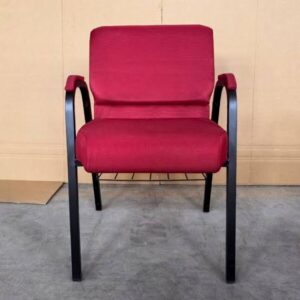
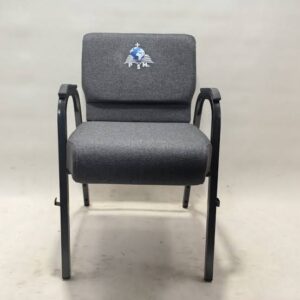
Some models combine metal frames with plastic seats, while others include padded or upholstered sections.
When selecting these chairs, check the joints, welding, protective finish, and overall frame stability.
3. Wooden Classroom Chairs
Wooden classroom chair have seats and backrests made from wood or wood-based materials.
They can suit classrooms that use traditional furniture designs.
Inspect the joints, surface finish, edges, and supporting structure. The chair should remain stable during normal use.
4. Classroom Chairs With Writing Tablets
These chairs include an attached writing surface that allows students to write without using a separate desk.
They can suit examination rooms, lecture facilities, and classrooms with limited space.
Before purchasing, check the writing tablet dimensions, attachment strength, and available writing space.
Also consider whether the tablet design accommodates both left-handed and right-handed students.
5. Stackable Classroom Chairs
Stackable classroom chair allow schools to store several chairs vertically when they are not in use.
They are useful for multipurpose classrooms and institutions that frequently rearrange seating.
Check that the chairs stack securely and that staff can handle them safely.
6. Padded Classroom Chairs
Padded classroom chair include cushioning on the seat or backrest.
They may be suitable for adult learners, training centres, and lecture facilities where students remain seated for longer periods.
Check the upholstery quality, cushion construction, and cleaning requirements.
How Do You Choose the Right Classroom Chairs?
Choosing classroom chairs requires careful attention to student needs, room dimensions, and daily school activities.
1. Consider the Students’ Age
Different age groups require different chair dimensions.
A chair suitable for a university student may be too large for a young primary school pupil.
Consider the age and approximate body size of the students who will use the chairs.
Where possible, select age-appropriate furniture and check relevant school furniture standards.
2. Check Seat Height
Seat height affects how comfortably students sit at their desks.
If a chair is too high, a student’s feet may not rest comfortably on the floor. If it is too low, the student may struggle to position themselves correctly in relation to the desk.
Measure the desk height and consider the students’ leg length before selecting chairs.
3. Check Seat Width and Depth
The seat should provide enough room for the student to sit comfortably.
A seat that is too narrow may restrict movement. A seat that is too deep may make it difficult for shorter students to use the backrest properly.
Check the chair dimensions against the students’ expected body sizes.
4. Examine the Backrest
The backrest should provide suitable support for the student’s back.
Consider its height, shape, and attachment to the chair frame.
Avoid designs with unstable or poorly secured backrests.
5. Inspect Frame Strength
Classroom chair experience repeated use throughout the school year.
Inspect:
- Frame material
- Leg construction
- Joint quality
- Seat attachments
- Backrest connections
- Protective finish
For large school orders, inspect a sample chair before purchasing the full quantity.
6. Choose Easy-to-Clean Materials
Classroom furniture requires regular cleaning.
Plastic surfaces are generally easy to wipe down. Wooden surfaces need suitable cleaning methods to protect their finish. Upholstered chairs may require more careful stain removal.
Choose materials that match your school’s cleaning routine.
7. Consider Safety and Stability
Classroom chair should stand firmly on the floor and remain stable during normal use.
Check for sharp edges, exposed fasteners, damaged joints, and loose components.
Also ensure the chairs do not obstruct classroom exits or create unnecessary movement hazards.
8. Plan Your Budget
When purchasing classroom chair, calculate the total cost based on the number of students and the type of furniture required.
Compare construction, dimensions, materials, and expected maintenance requirements.
For bulk orders, request information about available designs and quantities before making a final decision.
How Do You Choose Classroom Chairs for Primary Schools?
Primary school students need chairs that match their age and body size.
Consider:
- Suitable seat height
- Appropriate seat width
- Stable legs
- Rounded or properly finished edges
- Easy-to-clean surfaces
- Lightweight designs that staff can move safely
Avoid choosing chair based only on appearance. The dimensions should suit the children who will use them.
Schools should also inspect classroom furniture regularly to identify damage before it becomes a safety problem.
How Do You Choose Classroom Chairs for Secondary Schools?
Secondary school students generally require larger seating dimensions than younger pupils.
Consider chairs that provide suitable seat depth, backrest support, and a stable frame.
Metal-framed and plastic classroom chairs may suit many school environments, depending on their construction and intended use.
You should also consider whether students need separate desks or chairs with attached writing tablets.
How Do You Choose Classroom Chairs for Colleges and Universities?
Colleges and universities often accommodate adult learners who attend longer lectures and training sessions.
Comfort, durability, and room layout should guide your selection.
Consider:
- Suitable seat dimensions
- Adequate backrest support
- Padded seating where appropriate
- Writing tablets where required
- Easy-to-maintain materials
- Stackable designs for multipurpose rooms
For lecture facilities, calculate the seating capacity while maintaining enough space for movement and access.
Classroom Chairs With Desks vs Chairs With Writing Tablets
Both arrangements can support classroom activities. However, they offer different benefits.
| Feature | Separate Desk and Chair | Chair With Writing Tablet |
|---|---|---|
| Writing space | Usually larger | Often smaller |
| Flexibility | Desk and chair can be arranged separately | Components are connected |
| Storage | Requires separate desk storage | Depends on chair design |
| Room layout | Requires space for desks | Can suit compact layouts |
| Best use | Regular lessons and extended writing | Some lectures, examinations, and training sessions |
Choose the arrangement based on the students’ activities, classroom dimensions, and equipment requirements.
How Many Classroom Chairs Do You Need?
The required quantity depends on the number of students, classroom dimensions, and seating arrangement.
Start by determining the maximum number of students expected in each classroom.
Then measure the available floor space and plan the desk and chair layout.
Remember to leave sufficient space for:
- Teacher movement
- Student access
- Classroom doors
- Emergency exits
- Learning equipment
- Walking paths
Do not fill the classroom beyond its safe and practical capacity.
For schools furnishing several classrooms, calculate the required quantities separately for each room.
Common Classroom Chair Problems
Classroom chair can develop problems through frequent use, poor construction, or inadequate maintenance.
1. Loose Legs
Repeated movement can loosen chair joints and fasteners.
Inspect the supporting structure and tighten suitable fittings. Replace damaged components when necessary.
2. Cracked Plastic Seats
Plastic chairs may crack because of impact, overloading, ageing, or poor material quality.
Remove severely damaged chairs from use. Replace them when repairs cannot restore safe structural support.
3. Damaged Wooden Joints
Wooden chairs may develop loose joints through repeated movement.
Inspect the joints and supporting structure. Suitable repairs may restore stability if the wood remains in good condition.
4. Worn Seat Surfaces
Frequent use can damage upholstery or reduce seat cushioning.
Clean the chairs according to the material requirements. Consider professional repairs where suitable.
5. Unstable Backrests
A loose or damaged backrest can make a chair uncomfortable and unsafe.
Inspect the attachment points and remove chairs with serious structural damage from service.
How Do You Maintain Classroom Chairs?
Regular maintenance helps schools keep classroom furniture clean and usable.
Follow these steps:
- Clean the chairs regularly. Use cleaning products suitable for the material.
- Inspect the legs. Check for cracks, loose joints, and instability.
- Check the seats. Look for damaged surfaces, cracks, or worn cushioning.
- Inspect the backrests. Ensure they remain firmly attached.
- Tighten suitable fittings. Secure loose screws and bolts where appropriate.
- Store chairs correctly. Follow the manufacturer’s instructions for stacking or storage.
- Remove unsafe chairs. Do not allow students to use chairs with damaged structural components.
Schools should establish a routine inspection schedule, especially where chairs are used by several groups of students.
Where Can You Buy Classroom Chairs in Kenya?
If you need classroom chair in Kenya, first determine the number of students, their age groups, classroom dimensions, and the type of learning activities taking place.
Before purchasing, measure:
- Classroom length
- Classroom width
- Available walking space
- Desk dimensions
- Required chair height
- Storage space
- Number of students
- Teacher’s working area
Also consider frame construction, seat material, backrest design, cleaning requirements, and the possibility of bulk purchasing.
Buy Classroom Chairs in Nairobi
Looking for classroom chair in Nairobi? Contact Jobel Services and discuss your school’s furniture and seating requirements.
You can also visit Jobel Services at Gikomba, Beaver House, opposite NCBA Bank, Nairobi, to discuss suitable furniture solutions.
Get the Right Classroom Chairs
Do not choose classroom chairs based only on price or appearance.
Send Jobel Services photographs and measurements of your classrooms, the students’ age groups, the number of chairs required, and your preferred chair designs before purchasing.
You can also explain whether you need plastic chairs, metal-framed chairs, padded seating, stackable designs, or chairs with writing tablets.
This information can help you discuss suitable options for your institution.
Whether you need classroom chairs for one primary school classroom, several units for a secondary school, or bulk seating for a college or training institution, choosing suitable dimensions and construction can help reduce unnecessary replacement costs.
Need classroom chair in Kenya? Contact Jobel Services today or visit the shop at Gikomba, Beaver House, opposite NCBA Bank, Nairobi, and ask about suitable classroom chairs and institutional furniture solutions.
Frequently Asked Questions About Classroom Chairs
1. What Are Classroom Chairs?
Classroom chairs are seats designed for students in schools, colleges, universities, and other learning institutions. They support lessons, examinations, group activities, and other educational tasks.
2. Which Classroom Chairs Are Best for Primary Schools?
The best chairs should match the pupils’ age and body size. Check seat height, seat width, backrest support, frame stability, and material quality.
3. What Materials Are Used to Make Classroom Chairs?
Common materials include plastic, metal, wood, fabric upholstery, and synthetic leather. Some chairs combine metal frames with plastic or padded seats.
4. Are Stackable Classroom Chairs Suitable for Schools?
Yes. Stackable chairs can help schools save storage space and rearrange classrooms when needed. Check their stability and follow the manufacturer’s stacking instructions.
5. Are Classroom Chairs Available With Writing Tablets?
Yes. Some models include attached writing tablets. They can be useful for examinations, lectures, and training sessions where students need individual writing surfaces.
6. How Do You Select the Correct Classroom Chair Height?
Consider the students’ age and body size, especially their leg length. Also compare the chair height with the desk height to ensure a suitable seating arrangement.
7. How Often Should Schools Inspect Classroom Chairs?
Schools should inspect chairs regularly and whenever staff notice damage or instability. Busy classrooms may require more frequent checks because several students use the same furniture throughout the day.
8. Where Can Schools Buy Classroom Chairs in Nairobi?
Schools can contact Jobel Services or visit its shop at Gikomba, Beaver House, opposite NCBA Bank, Nairobi, to discuss their classroom furniture requirements.
Conclusion
Choosing the right classroom chair helps schools create organised and comfortable learning environments. Before purchasing, consider student age, chair dimensions, backrest support, frame strength, materials, classroom space, and maintenance requirements.
A suitable chair should match the students who use it and withstand the demands of everyday school activities.
If you are looking for classroom chair in Kenya, contact Jobel Services to discuss your requirements. You can also visit the shop at Gikomba, Beaver House, opposite NCBA Bank, Nairobi.
Send your classroom measurements, photographs, student age groups, and required quantities before purchasing so you can discuss suitable seating options.
