

Cotton Fabric in Kenya: Uses, Benefits and Buying Guide
What Is Cotton Fabric?
Cotton fabric is a textile made from natural cotton fibres. It is widely used for curtains, upholstery, bedding, clothing and other household projects because of its soft feel, breathability and versatility.
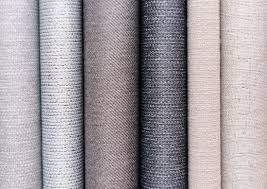
Jobel Services lists cotton fabric in its online shop for different furnishing and decorative applications. The product listing highlights its availability in plain, patterned and textured designs.
If you are planning to make curtains, cover furniture, create bedding or complete another fabric project, cotton is one option worth considering.
However, the right fabric depends on how you intend to use it. Consider the thickness, weave, colour, design, durability and cleaning requirements before purchasing.
https://jobelservices.co.ke/product/cotton-fabric-in-kenya/
What Is Cotton Fabric Used For?
Cotton fabric has several applications in homes, offices and commercial interiors. Its suitability depends on the fabric’s construction and intended use.
1. Curtain Making
Cotton fabric can be used to make curtains for homes, offices and other indoor spaces.
It comes in different colours and patterns, making it possible to coordinate curtains with furniture, wall finishes and interior decorations.
Before selecting cotton for curtains, consider its thickness, weight, light-filtering properties and how it hangs.
If you need blackout curtains, confirm whether the selected fabric provides sufficient light control or requires an additional lining.
2. Sofa and Furniture Upholstery
Cotton fabric can be used in selected upholstery projects, including furniture covers and decorative fabric applications.
However, not every cotton fabric is suitable for heavy-use upholstery. Furniture upholstery requires material that can withstand repeated contact, friction and everyday use.
Before buying cotton for a sofa or chair, confirm its thickness, weave, durability and suitability for upholstery.
3. Bedding
Cotton is widely used in bedding because of its breathable and comfortable feel.
Depending on its construction, it can be used for bedsheets, pillowcases, duvet covers and other bedroom textile projects.
Check the fabric width and texture before purchasing to ensure it suits the bedding project.
4. Tablecloths and Household Decorations
Cotton fabric can be used to create tablecloths, table runners, decorative covers and other household accessories.
Different patterns and colours make it possible to coordinate these items with your interior design.
Consider how frequently the fabric will be washed when choosing a suitable design and material.
5. Craft and Sewing Projects
Cotton fabric is also useful for different sewing and craft projects.
Depending on its thickness and weave, it can be used for cushion covers, fabric organisers, decorative items and other handmade products.
Choose a fabric that matches the sewing technique and finished product you have in mind.
https://www.jobelgeneralhardware.com/
What Are the Benefits of Cotton Fabric?
Cotton remains a popular textile choice because of several practical qualities.
1. Breathability
Cotton fibres allow air to pass through the fabric. This makes cotton a common choice for bedding, clothing and other applications where breathability matters.
The actual level of airflow depends on the weave, thickness and fabric construction.
2. Soft Texture
Many cotton fabrics have a soft feel, making them suitable for products that come into contact with the skin.
Different finishes and weaves produce different textures, so inspect the fabric before purchasing.
3. Design Variety
Cotton fabric comes in different colours, patterns and textures.
This gives homeowners, designers and furniture makers several options when planning a furnishing project.
Jobel Services lists plain, patterned and textured cotton fabric options in its product description. Confirm the available designs before ordering.
4. Versatile Applications
Cotton can serve different purposes around the home and workplace.
You can consider it for curtains, bedding, upholstery projects, tablecloths and crafts, provided the fabric specifications match the intended application.
5. Straightforward Cleaning
Many cotton fabrics can be cleaned using ordinary fabric-care methods.
However, cleaning requirements vary according to the weave, dye, finish and any additional treatment. Always follow the care instructions for the specific fabric.
6. Natural Fibre Construction
Cotton comes from natural plant fibres.
This makes it an option for buyers who prefer natural textile materials. However, the environmental impact of a finished cotton product also depends on cultivation, processing, dyeing and manufacturing.
How Do You Choose the Right Cotton Fabric in Kenya?
Choosing cotton fabric requires more than selecting a colour or pattern. You should consider the intended use and the material’s construction.
1. Identify the Purpose
Start by deciding what you want to make.
Are you buying cotton for curtains, upholstery, bedding, tablecloths or another sewing project?
Each application has different requirements. For example, curtain fabric needs suitable draping qualities, while upholstery fabric needs enough durability for repeated use.
Tell the supplier how you intend to use the fabric so you can discuss a suitable option.
2. Check the Fabric Thickness
Fabric thickness affects its appearance, handling and suitability.
Lightweight cotton may suit certain decorative projects and bedding applications. Heavier cotton may be more appropriate for selected furnishing projects.
Do not assume that all cotton fabrics have the same thickness.
If possible, inspect a sample before purchasing a large quantity.
3. Consider the Weave
The weave affects how cotton fabric looks and performs.
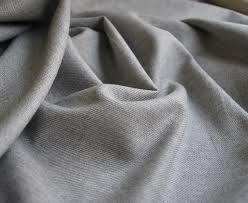
Some fabrics have a smooth surface, while others have a more visible texture.
Consider the weave in relation to your intended project. A fabric that works well for one application may not be suitable for another.
4. Choose a Suitable Colour
Colour plays an important role in interior design.
When selecting cotton fabric, consider:
- The colour of your walls.
- Existing furniture finishes.
- Flooring and carpets.
- Lighting conditions.
- The overall interior design.
- How frequently the fabric will require cleaning.
If you are making curtains or upholstery covers, compare the fabric with the furniture and room finishes before ordering.
5. Select the Right Pattern
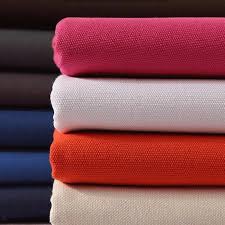
Plain cotton fabric provides a simple appearance and can coordinate with different interior styles.
Patterned fabric can add visual detail to curtains, cushion covers and other decorative items.
Textured designs may also create a different finish.
Choose a pattern that suits the size of the room and the furniture. Large patterns may require additional material to match the design across seams.
6. Check the Fabric Width
Fabric width determines how much material you need for your project.
A narrow fabric may require additional joins, while a wider fabric may reduce the number of seams.
Before purchasing, confirm the actual width and calculate the required quantity.
For curtains, remember to account for fullness, hems and any pattern matching.
For upholstery, consider the size of each furniture section and the direction of the fabric pattern.
7. Consider Durability
The durability you need depends on how the fabric will be used.
A decorative cushion cover may experience less friction than a sofa seat.
For upholstery, ask whether the cotton fabric is suitable for repeated contact and regular use. If it is not designed for upholstery, consider another suitable material.
8. Ask About Cleaning Requirements
Some cotton fabrics can shrink, fade or change texture if cleaned incorrectly.
Ask about washing instructions before purchasing.
If the fabric will be used for curtains or furniture covers, consider how easily you can remove and clean it.
9. Calculate the Required Quantity
Measure the project before ordering.
curtains, calculate the window coverage, desired fullness and additional fabric needed for hems.
For upholstery, measure each section of the furniture and allow for seams, folds and pattern matching.
For bedding, use the mattress dimensions and allow enough fabric for the required edges and finishing.
If you are unsure, share your measurements with the supplier or a professional tailor.
Cotton Fabric vs Synthetic Fabric
Cotton and synthetic fabrics have different characteristics. The best choice depends on your project and maintenance preferences.
| Feature | Cotton fabric | Synthetic fabric |
|---|---|---|
| Fibre source | Natural plant fibre | Manufactured fibres |
| Texture | Often soft, depending on weave and finish | Varies by fibre and construction |
| Breathability | Generally breathable | Depends on the material |
| Moisture absorption | Generally absorbs moisture | Varies by fibre |
| Maintenance | Depends on fabric construction | Depends on fibre and finish |
| Common applications | Bedding, curtains, clothing and selected upholstery | Curtains, upholstery, clothing and other furnishings |
Some fabrics combine cotton with synthetic fibres. These blends can offer different characteristics from pure cotton.
Always check the actual fibre composition before buying.
How Much Cotton Fabric Do You Need?
The amount of cotton fabric you need depends on the dimensions of your project.
Measure carefully before purchasing to avoid unnecessary material costs.
For Curtains
Start by measuring the width and height of the window.
You should also consider:
- The length of the curtain rail or rod.
- The desired curtain fullness.
- The number of curtain panels.
- Hem allowances.
- Pattern matching.
- Additional fabric for headings and finishing.
For example, a curtain covering a 2-metre-wide window may require more than 2 metres of fabric because the panels need enough fullness to create folds.
The exact quantity depends on the fabric width and curtain design.
For Upholstery
Measure the furniture section by section.
Include the seat, backrest, arms, sides and other areas that require covering.
Allow additional fabric for seams, folds, trimming and pattern matching.
For large upholstery projects, ask a professional upholsterer to calculate the material requirement.
For Bedding
Measure the mattress and consider the required drop, hems and finishing.
Bedsheets, pillowcases and duvet covers all require different fabric quantities.
Use the dimensions of the finished product when calculating the material.
Common Mistakes to Avoid When Buying Cotton Fabric
Avoid these mistakes when selecting cotton fabric.
- Buying without identifying the purpose: A fabric suitable for bedding may not be suitable for heavy upholstery.
- Ignoring fabric width: Incorrect measurements can lead to material shortages.
- Choosing colour from a screen alone: Screen displays may not show the exact fabric shade.
- Overlooking thickness: The fabric may not perform as expected if its weight is unsuitable.
- Ignoring cleaning requirements: Some cotton fabrics need special care.
- Failing to allow extra material: Seams, hems and pattern matching require additional fabric.
- Assuming all cotton is suitable for upholstery: Confirm the material’s durability before using it on frequently used furniture.
- Ordering without checking the design: Confirm the actual pattern, texture and colour before purchasing.
Taking a sample and measuring your project can help you avoid these problems.
How Do You Maintain Cotton Fabric?
Proper maintenance helps preserve the appearance and condition of cotton fabric.
Follow the Cleaning Instructions
Check the care instructions before washing or cleaning the fabric.
Different cotton weaves, dyes and finishes may require different methods.
Avoid Excessive Heat
Some cotton fabrics can shrink when exposed to high temperatures.
Use suitable washing and drying temperatures according to the manufacturer’s guidance.
Treat Stains Promptly
Attend to spills and stains as soon as possible.
Use cleaning products suitable for the fabric and test them on a small, hidden area where appropriate.
Protect Fabric from Prolonged Sunlight
Long periods of direct sunlight can cause some fabrics to fade.
Consider suitable window treatments or reposition furniture where necessary.
Store Unused Fabric Properly
Keep unused cotton fabric in a clean, dry place.
Avoid damp storage conditions that may encourage mould or unpleasant odours.
Why Buy Cotton Fabric from Jobel Services?
Jobel Services lists cotton fabric in its online shop for different furnishing and decorative applications.
The product description highlights:
- Natural cotton material.
- Plain, patterned and textured design options.
- Applications for curtains and furniture.
- Bedding and household decoration uses.
- Sewing and craft applications.
Before ordering, confirm the available designs, fabric width, composition, price and quantity.
If you are buying cotton for upholstery or another specialised project, explain the intended use so you can check whether the listed fabric is suitable.
Where Can You Buy Cotton Fabric in Kenya?
You can enquire about cotton fabric through the official Jobel Services online shop:
https://jobelservices.co.ke/product/cotton-fabric-in-kenya/
Jobel Services is located at Gikomba, Beaver House, opposite NCBA Bank, Nairobi.
You can also call or WhatsApp +254 701 930876 to ask about available options.
When making an enquiry, provide:
- The purpose of the fabric.
- Your required quantity.
- Preferred colour or pattern.
- Required fabric width.
- Photographs or measurements of your project.
These details can help the team discuss suitable options before you purchase.
Frequently Asked Questions About Cotton Fabric in Kenya
1. What is cotton fabric used for?
Cotton fabric is used for curtains, bedding, clothing, upholstery projects, tablecloths and crafts. Its suitability depends on the fabric’s thickness, weave and construction.
2. Is cotton fabric suitable for curtains?
Yes. Cotton can be used to make curtains. However, the fabric’s weight, width, thickness and light-filtering properties should match your requirements.
3. Can cotton fabric be used for sofa upholstery?
Some cotton fabrics are suitable for upholstery, but not all. Check the fabric’s durability and intended application before using it on frequently used furniture.
4. Does cotton fabric shrink?
Some cotton fabrics can shrink during washing or exposure to heat. Follow the care instructions and check whether the material requires pre-washing before sewing.
5. Is cotton fabric easy to maintain?
Many cotton fabrics are straightforward to clean, but maintenance depends on their weave, dye and finish. Follow the specific care instructions.
6. What colours and designs are available at Jobel Services?
The product listing describes plain, patterned and textured cotton fabric options. Contact Jobel Services to confirm the designs and colours currently available.
7. How do I calculate the amount of cotton fabric I need?
Measure the finished project and account for seams, hems, folds and pattern matching. For curtains, also consider the desired fullness. For upholstery, measure each furniture section.
8. Where can I buy cotton fabric in Nairobi?
You can enquire from Jobel Services at Gikomba, Beaver House, opposite NCBA Bank, Nairobi, or through its online shop.
Conclusion
Cotton fabric is a versatile textile used for curtains, bedding, selected upholstery projects, tablecloths and other household applications.
Choosing the right material requires attention to its thickness, weave, width, colour, pattern and maintenance requirements. You should also confirm that the fabric is suitable for your intended project before purchasing.
If you are looking for cotton fabric in Kenya, explore the Jobel Services shop and contact the team with your measurements and preferred design.
Visit Jobel Services at Gikomba, Beaver House, opposite NCBA Bank, Nairobi, or call +254 701 930876 to enquire about cotton fabric.
