

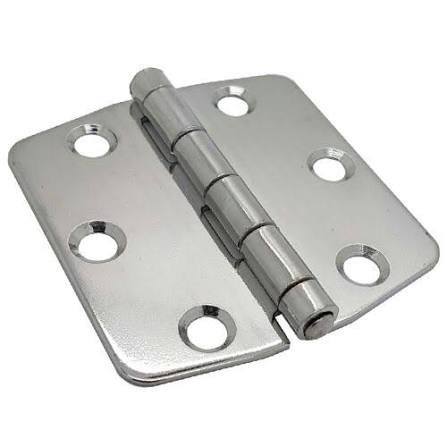
Heavy-Duty Butterfly Hinge: How Do You Choose the Right One?
Heavy-Duty Butterfly Hinge: A Complete Buying Guide in Kenya
If you are looking to buy a heavy-duty butterfly hinge in Kenya, choose a hinge with suitable construction, dimensions, mounting design, and strength for the metal door or gate you intend to install. The right hinge should support the door’s weight, allow smooth movement, and provide a secure connection between the door and its frame.
A weak or incorrectly selected hinge can cause a metal door to sag, become difficult to open, or place unnecessary pressure on its mounting points. Therefore, consider the door’s dimensions, weight, material, frequency of use, and installation requirements before purchasing.
Jobel Services supplies a Heavy-Duty Butterfly Hinge with a weld-on design for metal doors, steel gates, cabinets, and fabrication applications.
Before purchasing, consider:
- Hinge dimensions
- Door or gate weight
- Metal thickness
- Weld-on mounting design
- Number of hinges required
- Opening and closing movement
- Installation position
- Expected frequency of use
- Environmental conditions
- Maintenance requirements
If you are unsure which hinge suits your project, send Jobel Services photographs and measurements of your existing hinge, metal door, or gate before ordering. This can help you discuss the correct product for your application.
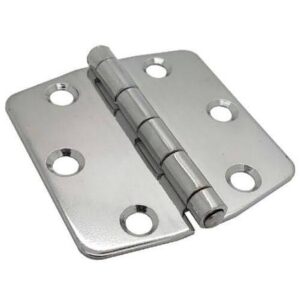
https://jobelservices.co.ke/product/heavy-duty-butterfly-hinge/
What Is a Heavy-Duty Butterfly Hinge?
A heavy-duty butterfly hinge is a mechanical fitting that connects a movable metal door or gate to a fixed frame. It allows the door to rotate around a pivot point when opening and closing.
The hinge has a butterfly-style design and is commonly used in metal fabrication projects.
Unlike hinges designed specifically for wooden doors, weld-on butterfly hinges attach directly to suitable metal surfaces through welding.
Common applications include:
- Steel gates
- Metal security doors
- Workshop doors
- Metal cabinets
- Machinery enclosures
- Fabricated steel structures
- Custom metal doors
- Gate repair projects
The correct hinge depends on the weight, dimensions, construction, and intended movement of the door.
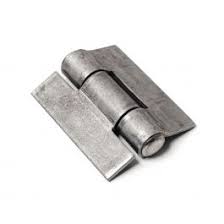
https://www.jobelgeneralhardware.com/shop
Why Is a Heavy-Duty Butterfly Hinge Important?
A suitable hinge helps a metal door or gate operate correctly while maintaining a secure connection to its supporting frame.
1. It Supports Door Movement
The hinge provides a pivot point that allows a door or gate to open and close.
A correctly selected and installed hinge helps maintain smooth movement and reduces unnecessary friction.
2. It Provides a Secure Connection
A weld-on hinge attaches directly to compatible metal surfaces.
Proper welding creates a secure connection between the hinge, door, and supporting frame.
However, the strength of the complete installation also depends on the metal thickness, weld quality, alignment, and hinge selection.
3. It Supports Metal Fabrication Projects
Metal fabricators need suitable hinges when constructing gates, steel doors, cabinets, and other movable structures.
A heavy-duty butterfly hinge provides a practical mounting option for these projects.
4. It Supports Repair and Replacement Work
You may need a replacement hinge when an existing metal door develops movement problems or when its original hinge becomes damaged.
Choosing a compatible replacement can help restore the door’s operation without replacing the entire structure.
5. It Helps Maintain Proper Door Alignment
Correct hinge positioning helps keep the door aligned with its frame.
Poor positioning can cause uneven gaps, rubbing, and difficulty closing the door.
What Are the Main Features of a Heavy-Duty Butterfly Hinge?
When purchasing a hinge, understand the features that affect its application and installation.
1. Butterfly-Style Design
The hinge uses a compact butterfly-style construction.
Its design provides a pivoting connection between two metal components.
Before buying, compare the hinge’s shape and dimensions with the space available on your door or gate.
2. Weld-On Installation
The Jobel Services heavy-duty butterfly hinge uses a weld-on mounting design.
This means the hinge attaches to suitable metal surfaces through welding rather than ordinary screw fixing.
It is therefore useful for fabrication work involving compatible steel structures.
3. Durable Construction
A hinge used on a metal gate or door should withstand repeated opening and closing.
Inspect the construction, material thickness, pivot area, and overall finish before installation.
Do not assume that every hinge described as heavy-duty can support every gate. Confirm its suitability for the intended application.
4. Smooth Opening and Closing
A properly selected and aligned hinge should allow the door to move without unnecessary binding.
The pivot area should operate correctly, and the hinge should not force the door against its frame.
5. Fabrication Compatibility
Weld-on butterfly hinges are suitable for different metal fabrication projects.
However, the hinge dimensions and mounting arrangement must match the structure.
Where Can You Use a Heavy-Duty Butterfly Hinge?
A heavy-duty butterfly hinge can serve several applications in metalwork and fabrication.
1. Steel Gates
Metal gates require hinges that can support their weight and allow regular opening and closing.
Before choosing a hinge, consider:
- Gate height
- Gate width
- Overall weight
- Frame construction
- Opening direction
- Number of hinges
- Frequency of use
Large or heavy gates may require specialised hinge systems. Confirm the hinge’s rated capacity and suitability before installation.
2. Metal Security Doors
Metal security doors require secure hinge connections that support their construction.
A weld-on butterfly hinge may suit some steel door designs.
Check the door’s weight, frame thickness, hinge position, and available mounting space before purchasing.
3. Workshop Doors
Workshops often use metal doors to secure equipment, tools, and working areas.
A suitable hinge should match the door’s construction and expected frequency of use.
4. Metal Cabinets
Some fabricated metal cabinets use hinges to support their doors.
The hinge dimensions should match the cabinet door and frame.
Do not use an oversized hinge where a smaller, properly rated cabinet hinge would be more suitable.
5. Machinery Enclosures
Machinery enclosures may require hinged metal panels for inspection and maintenance access.
Choose hinges that match the panel weight, movement requirements, and operating environment.
Ensure that the completed enclosure maintains the necessary safety protection around the machinery.
6. Custom Fabrication Projects
Metal fabricators may use butterfly hinges when constructing custom steel structures.
Examples include storage compartments, metal access panels, fabricated doors, and specialised enclosures.
Always assess the intended load and movement before selecting the hinge.
How Do You Choose the Right Heavy-Duty Butterfly Hinge?
Selecting the correct hinge requires more than checking its appearance. You should compare the product with the structure where you intend to install it.
1. Check the Door or Gate Weight
Start by determining how heavy the door or gate is.
The hinge must support the load placed on it during normal operation.
Consider the following:
- Door or gate material
- Door dimensions
- Frame construction
- Additional fittings
- Expected usage
For heavy gates, seek a suitable hinge capacity from the supplier or manufacturer. Do not estimate capacity from appearance alone.
2. Measure the Existing Hinge
If you are replacing an existing hinge, measure it before ordering.
Record:
- Overall hinge length
- Hinge width
- Hinge thickness
- Pivot dimensions
- Mounting area
- Available clearance
Take clear photographs from different angles.
These details help reduce the risk of buying a hinge that does not fit the existing structure.
3. Confirm the Mounting Method
The Jobel Services butterfly hinge has a weld-on design.
This makes it suitable for compatible metal fabrication projects.
Before purchasing, confirm that the door and frame materials can accept the intended welding process.
If you need a hinge for a wooden door or a structure that cannot be welded, consider a different mounting design.
4. Consider Metal Thickness
The thickness and condition of the metal affect how the hinge can be attached.
A fabricator should assess the door and frame before welding.
The mounting area must provide sufficient structural support for the intended load.
5. Check the Number of Hinges Required
The number of hinges depends on the door dimensions, weight, hinge capacity, and installation design.
Do not assume that adding more hinges automatically makes an installation stronger.
Poor alignment can cause hinges to work against one another and create unnecessary stress.
Ask a qualified fabricator to determine the appropriate arrangement.
6. Consider the Opening Direction
Confirm whether the door opens inward, outward, or in another direction.
The hinge position must allow the door to move without hitting walls, frames, or nearby structures.
Check the available clearance before welding the hinge into position.
7. Consider Environmental Conditions
Outdoor gates and doors are exposed to moisture, dust, temperature changes, and other environmental conditions.
Check the hinge’s material and surface protection.
Where corrosion is a concern, use a suitable protective finish and maintain the hinge regularly.
8. Compare Quality and Price
When comparing hinges, consider construction quality, dimensions, compatibility, and intended use.
A low-priced hinge may not provide the required support for your project.
Choose a product that meets the actual requirements of the door or gate.
How Do You Install a Weld-On heavy-duty butterfly hinge?
Installing a weld-on butterfly hinge requires accurate positioning and suitable metalworking skills.
The following steps explain the general process.
Step 1: Inspect the Door and Frame
Check the metal door and its supporting frame.
Look for cracks, corrosion, weak welds, and damaged mounting areas.
Repair structural problems before installing the new hinge.
Step 2: Confirm the Hinge Position
Determine where each hinge should sit.
The hinges should align correctly and allow the door to move without obstruction.
Use accurate measurements and suitable marking tools.
Step 3: Prepare the Metal Surfaces
Clean the intended welding areas.
Remove paint, rust, dirt, and other materials that could interfere with the welding process.
Prepare the surfaces according to the welding procedure and material requirements.
Step 4: Position the Hinge
Place the hinge in its intended position.
Check the alignment between the door and frame before completing the welds.
Incorrect positioning can cause the door to sag or bind.
Step 5: Complete the Welding
A qualified welder should attach the hinge using a suitable welding process.
The weld must match the metal type, thickness, and intended application.
Do not rely on weak or incomplete welds for a heavy door or gate.
Step 6: Inspect the Installation
After welding and allowing the assembly to cool safely, inspect the connection.
Check for visible defects, poor alignment, and damage to nearby components.
Where the application requires it, arrange an appropriate inspection of the welds.
Step 7: Test Door Movement
Test the door carefully.
It should open and close without unnecessary friction or contact with the frame.
Check that the hinge remains secure and that the door maintains proper alignment.
Important installation advice: Welding involves heat, sparks, fumes, and electrical hazards. Use appropriate protective equipment, follow safe welding procedures, and keep combustible materials away from the work area. A qualified welder should carry out the installation.
Heavy-Duty Butterfly Hinge vs Ordinary Door Hinge
These hinges serve different applications.
| Feature | Heavy-Duty Butterfly Hinge | Ordinary Door Hinge |
|---|---|---|
| Typical application | Metal gates and fabricated doors | Many household doors |
| Mounting | Weld-on design for this product | Often screw-mounted |
| Main material application | Suitable metal structures | Depends on hinge type |
| Installation | Requires welding skills | Often uses screws |
| Common use | Fabrication and metal repairs | Wooden and some metal doors |
Choose the hinge based on the door material, mounting method, weight, and intended use.
What Causes Heavy-Duty Butterfly Hinges to Fail?
Even a suitable hinge can develop problems if it is incorrectly installed or poorly maintained.
1. Incorrect Hinge Selection
A hinge that cannot support the door’s weight may experience excessive stress.
Select a hinge with a suitable capacity for the intended application.
2. Poor Welding
Weak or incomplete welds can cause the hinge to separate from the door or frame.
Use a qualified welder and ensure that the metal surfaces are properly prepared.
3. Incorrect Alignment
Misaligned hinges can cause the door to bind, rub against its frame, or become difficult to close.
Measure carefully before welding.
4. Corrosion
Moisture and poor surface protection can cause corrosion.
Inspect outdoor hinges regularly and maintain their protective coating.
5. Excessive Door Weight
A door that exceeds the hinge’s capacity can place excessive pressure on the pivot and mounting points.
Use a hinge system designed for the actual load.
6. Poor Maintenance
Dirt, corrosion, and worn pivot components can affect hinge movement.
Inspect the hinge periodically and address problems early.
How Do You Maintain a Heavy-Duty Butterfly Hinge?
Regular maintenance helps keep metal doors and gates operating correctly.
Follow these steps:
- Inspect the hinge regularly. Look for cracks, corrosion, and visible damage.
- Check the welds. Look for separation or signs of structural failure.
- Clean the hinge. Remove accumulated dirt and debris.
- Check the pivot movement. Look for stiffness, unusual noise, or excessive play.
- Maintain surface protection. Repair damaged protective coatings where appropriate.
- Check door alignment. Look for sagging, rubbing, or uneven gaps.
- Arrange professional repairs. Have damaged hinges or welds assessed by a qualified fabricator.
Do not continue using a gate or door with a severely damaged hinge. A falling metal gate can cause serious injuries and property damage.
Where Can You Buy a Heavy-Duty Butterfly Hinge in Kenya?
If you need a heavy-duty butterfly hinge in Kenya, start by identifying the door or gate where you intend to install it.
Before purchasing, prepare the following information:
- Door or gate photographs
- Door or gate dimensions
- Estimated weight
- Existing hinge measurements
- Metal thickness
- Mounting requirements
- Number of hinges needed
- Intended application
Also confirm that a weld-on hinge is suitable for your metal fabrication project.
Buy Heavy-Duty Butterfly Hinges in Nairobi
Looking for a heavy-duty butterfly hinge in Nairobi? Contact Jobel Services and ask about its butterfly hinge for metal doors, steel gates, and fabrication projects.
You can also visit Jobel Services at Gikomba, Beaver House, opposite NCBA Bank, Nairobi, to discuss your hardware requirements.
Get the Right Hinge for Your Project
Do not purchase a hinge based only on its appearance.
Send Jobel Services photographs of your metal door or gate, measurements of the existing hinge, and details about the intended application before ordering.
This can help you discuss product suitability and avoid purchasing an incompatible hinge.
Whether you are a metal fabricator, contractor, welder, property owner, or workshop operator, choosing a suitable hinge can help support reliable door and gate operation.
Need a heavy-duty butterfly hinge in Kenya? Contact Jobel Services today or visit the shop at Gikomba, Beaver House, opposite NCBA Bank, Nairobi, and ask about the available butterfly hinge.
Frequently Asked Questions About Heavy-Duty Butterfly Hinges
1. What Is a Heavy-Duty Butterfly Hinge Used For?
A heavy-duty butterfly hinge provides a pivoting connection for suitable metal doors, steel gates, cabinets, workshop doors, and fabricated structures.
2. Is a Butterfly Hinge Suitable for Metal Gates?
Yes. Weld-on butterfly hinges can be used on compatible metal gates. However, the hinge must have suitable dimensions and load capacity for the gate.
3. Can You Weld a Butterfly Hinge Directly to a Steel Door?
A weld-on butterfly hinge can be attached to suitable steel surfaces. A qualified welder should assess the metal thickness, prepare the surfaces, and complete the installation.
4. How Many Hinges Does a Metal Gate Need?
The required number depends on the gate’s dimensions, weight, hinge capacity, and design. Ask a qualified fabricator to determine the appropriate arrangement.
5. Can a Heavy-Duty Butterfly Hinge Be Used on a Wooden Door?
The Jobel Services product is designed for weld-on metal applications. It is not the appropriate choice for an ordinary wooden door that requires screw-mounted hinges.
6. Why Does a Metal Gate Become Difficult to Open?
Possible causes include misaligned hinges, corrosion, excessive gate weight, damaged pivot components, or a gate that has sagged.
Inspect the hinge and frame to identify the cause before attempting repairs.
7. How Do You Prevent Butterfly Hinges from Rusting?
Use suitable corrosion protection, inspect the surface regularly, clean away dirt, and repair damaged protective coatings. Choose a hinge suitable for its installation environment.
8. Where Can I Buy a Heavy-Duty Butterfly Hinge in Nairobi?
You can contact Jobel Services or visit its shop at Gikomba, Beaver House, opposite NCBA Bank, Nairobi, to enquire about the available heavy-duty butterfly hinge.
Conclusion Regarding heavy-duty butterfly hinge
A heavy-duty butterfly hinge is a practical hardware component for suitable metal gates, steel doors, cabinets, and fabrication projects. However, selecting the right hinge requires careful attention to door weight, dimensions, metal thickness, mounting method, and installation quality.
A correctly selected and installed hinge helps maintain smooth movement and a secure connection between the door and its frame.
If you need a heavy-duty butterfly hinge in Kenya, contact Jobel Services for product assistance. You can also visit the shop at Gikomba, Beaver House, opposite NCBA Bank, Nairobi.
Send photographs and measurements of your project before purchasing so you can discuss whether the available hinge suits your requirements.
