

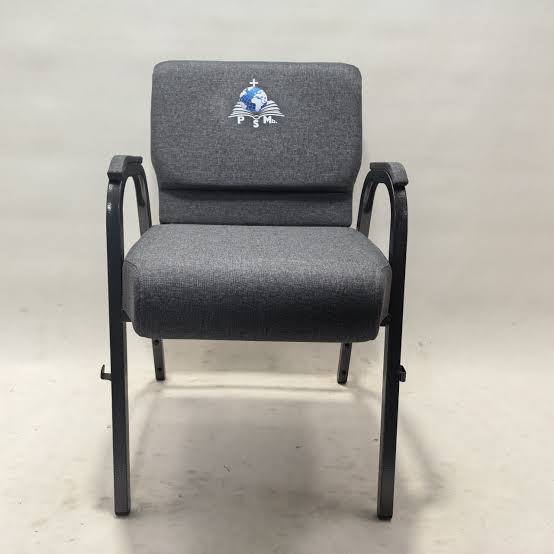
Lecture Hall Chairs: How Do You Choose the Right Ones?
Lecture Hall Chairs: A Complete Buying Guide for Universities and Colleges in Kenya
If you are looking to buy lecture hall chairs in Kenya, choose seating that accommodates your audience, supports comfortable learning, withstands frequent use, and fits your lecture hall layout. The right lecture hall chairs should also provide suitable back support, adequate writing space, durable construction, and enough clearance for movement.
Universities, colleges, training centres, and conference facilities use lecture halls to accommodate large groups of learners and attendees. Since people may remain seated for several hours, the seating arrangement must support comfort and practical use.
Before purchasing lecture hall chairs, consider:
- Seat comfort and back support
- Number of seats required
- Lecture hall dimensions
- Writing tablets or desk surfaces
- Seat spacing and legroom
- Frame construction
- Upholstery material
- Floor fixing requirements
- Maintenance requirements
- Accessibility and movement routes
If you are furnishing a new lecture hall or replacing existing seating, send Jobel Services photographs and measurements of the facility before purchasing. This can help you discuss suitable seating configurations and furniture requirements.
https://jobelservices.co.ke/shop/page/6/
What Are Lecture Hall Chairs?
Lecture hall chairs are seats designed for large educational and presentation spaces. They are commonly used in universities, colleges, training institutions, auditoriums, and conference facilities.
Unlike ordinary classroom chairs, many lecture hall chairs form part of a fixed seating arrangement. Some designs include attached writing tablets, foldable seats, armrests, and upholstered backrests.
Common lecture hall seating features include:
- Fixed or floor-mounted frames
- Individual seat units
- Padded cushions
- Backrests
- Armrests
- Foldable seats
- Writing tablets
- Numbered seating positions
The right design depends on the size of the hall, the type of activities, and the expected number of users.
https://www.jobelgeneralhardware.com/shop
Why Are Lecture Hall Chairs Important?
Lecture hall seating affects audience comfort, room organisation, and the effective use of available space.
1. They Support Long Learning Sessions
Lectures may last several hours. Therefore, seating should provide suitable cushioning, back support, and enough personal space.
A poorly designed chair may cause discomfort during extended sessions.
2. They Improve Seating Organisation
A well-planned arrangement allows students and visitors to find their seats and move through the hall efficiently.
Consistent chair spacing also helps maintain clear aisles and organised rows.
3. They Support Note-Taking
Some lecture hall chairs include writing tablets or individual desk surfaces.
These features give students space to write notes, complete exercises, and use learning materials.
4. They Help Maximise Seating Capacity
Lecture halls must accommodate large audiences within a defined floor area.
A suitable seating design helps institutions use available space efficiently while maintaining necessary access routes and legroom.
5. They Improve the Appearance of the Facility
Well-maintained lecture hall seating contributes to a professional learning environment.
Consistent upholstery, frame finishes, and seat arrangements can also improve the overall appearance of the hall.
Types of Lecture Hall Chairs
Lecture hall chairs come in different configurations. Understanding these options helps you select suitable seating for your facility.
1. Fixed Lecture Hall Chairs
Fixed lecture hall chairs are installed in designated positions, often using floor-mounted supports.
They are suitable for permanent lecture halls where the seating arrangement rarely changes.
Consider them when you need:
- A consistent seating layout
- Organised rows
- Permanent seating positions
- A structured lecture environment
Before installation, confirm the floor condition, fixing requirements, aisle arrangement, and maintenance access.
2. Upholstered Lecture Hall Chairs
Upholstered lecture hall chairs have fabric or synthetic leather covering on the seat and backrest.
They provide cushioning and can suit facilities where people remain seated for extended periods.
When selecting upholstered chairs, inspect the fabric, stitching, cushion construction, and cleaning requirements.
3. Lecture Hall Chairs With Writing Tablets
These chairs include attached writing surfaces for note-taking and other learning activities.
They are useful in lecture halls where students do not have separate desks.
Before purchasing, consider:
- Writing tablet size
- Tablet attachment strength
- Available writing space
- Left-handed and right-handed users
- Space between seating rows
For computer-based learning, check whether the tablet can accommodate the equipment students need.
4. Folding Lecture Hall Chairs
Folding lecture hall chairs have seats that fold upward when users stand.
This design can create additional space between rows and improve movement through the hall.
Check the folding mechanism, hinges, and supporting structure before purchasing.
5. Auditorium-Style Chairs
Auditorium-style chairs are designed for large presentation and performance spaces.
They commonly include padded seats, backrests, and armrests. Some models also have foldable seats.
They may suit:
- University auditoriums
- Conference halls
- Seminar facilities
- Large training venues
- Institutional presentation rooms
6. Lecture Hall Chairs With Armrests
Armrests provide support for the user’s arms and help define individual seating positions.
However, they increase the overall chair width.
Measure the available space before selecting this configuration, especially when the hall needs to accommodate many people.
How Do You Choose the Right Lecture Hall Chairs?
Selecting lecture hall chairs requires careful planning. Consider the facility’s dimensions, seating capacity, expected usage, and learning activities.
1. Measure the Lecture Hall
Start by measuring the entire hall.
Record:
- Room length
- Room width
- Ceiling height where relevant to the layout
- Door positions
- Emergency exits
- Aisle locations
- Stage or presentation area
- Display screen positions
- Available installation surfaces
These measurements help determine where seating rows can fit.
Do not calculate the seating capacity using floor area alone. You must account for movement routes, accessibility, and applicable building and fire-safety requirements.
2. Determine the Required Seating Capacity
Estimate the number of students or attendees who will use the hall.
Consider the maximum expected attendance rather than the average number of participants.
However, avoid overcrowding the room to increase capacity. Every seating position should have suitable space and access.
For large projects, prepare a seating plan before ordering chairs.
3. Check Seat Comfort
Students may spend long periods attending lectures.
Check:
- Seat width
- Seat depth
- Cushion thickness
- Backrest height
- Backrest shape
- Armrest position
Where possible, test a sample chair before purchasing the full quantity.
Choose seating that provides suitable support for the expected users.
4. Consider Writing Tablets
Writing tablets are useful when students need individual writing surfaces.
Check whether the tablet provides enough room for notebooks, writing materials, and other equipment.
Also consider the tablet’s position and movement. It should not create unnecessary difficulty when students enter or leave their seats.
5. Examine the Frame Construction
Lecture hall chairs may experience frequent use over many years.
Inspect the supporting frame, joints, fasteners, and seat attachments.
For fixed seating, also assess the floor-mounting system and the quality of the installation.
Do not overlook the strength of the connection between the seat and supporting structure.
6. Select Suitable Upholstery
The upholstery affects comfort, cleaning, and long-term appearance.
Fabric upholstery: Fabric offers different textures and colours. However, some materials absorb stains and require specialised cleaning.
Synthetic leather: This material has a smooth surface that is generally easier to wipe clean. Its durability depends on quality and maintenance.
Plastic surfaces: Plastic is practical for certain seating designs and is generally easy to clean.
Choose upholstery based on expected usage, cleaning frequency, and your institution’s maintenance capacity.
7. Check Row Spacing and Legroom
Participants need enough room to sit, stand, and move between rows.
Consider the distance between seat backs, writing tablets, and the next row.
Also ensure that aisles remain accessible and that students can reach their seats without unnecessary obstruction.
8. Consider Floor Installation
Some lecture hall chairs require permanent floor fixing.
Before purchasing, inspect the floor surface and confirm that the installation method suits the building.
Professional installation may be necessary to ensure secure fixing and correct alignment.
For existing halls, check whether the current floor anchors can accommodate the replacement seating.
9. Plan for Maintenance
Lecture hall chairs in busy institutions require regular inspection.
Choose designs that allow staff to inspect and maintain important components.
For upholstered chairs, consider cleaning access and replacement options for worn cushions or fabric.
Which Lecture Hall Chairs Are Best for Universities?
Universities often accommodate large student populations and operate lecture halls throughout the academic year.
Their seating requirements may include:
- Durable supporting frames
- Comfortable padded seats
- Suitable backrest support
- Writing tablets where required
- Consistent seating dimensions
- Practical maintenance access
For large lecture halls, fixed seating may help maintain an organised arrangement.
However, smaller teaching facilities may benefit from movable or stackable chairs.
Which Lecture Hall Chairs Are Best for Colleges?
Colleges may use lecture halls for lessons, examinations, seminars, and training sessions.
The right design should support these different activities.
Consider chairs with writing tablets if students regularly take notes. For multipurpose rooms, flexible seating may be more practical.
Also assess the age and physical requirements of the users when selecting chair dimensions.
Fixed Lecture Hall Chairs vs Movable Chairs
Both options can work in educational facilities, but they serve different purposes.
| Feature | Fixed Lecture Hall Chairs | Movable Chairs |
|---|---|---|
| Installation | Usually secured in position | Usually freestanding |
| Layout flexibility | Limited | Higher |
| Storage | Not normally stacked | Some models stack |
| Best use | Permanent lecture halls | Multipurpose rooms |
| Rearrangement | Requires installation changes | Easier to rearrange |
| Maintenance | Requires access to fixed fittings | Individual chairs can be moved |
Choose fixed seating when the hall has a permanent layout. Select movable chairs when the room needs to support different activities.
Common Lecture Hall Chair Problems
Lecture hall chairs can develop problems through frequent use, poor installation, or inadequate maintenance.
1. Loose Floor Fixings
Fixed chairs may become unstable when their mounting bolts loosen.
Inspect the anchor points regularly. Have qualified personnel assess damaged floor fixings and restore secure installation.
2. Worn Seat Cushions
Frequent use can flatten or damage seat cushions.
Where the supporting frame remains sound, replacing the cushion or upholstery may restore comfort.
3. Damaged Folding Mechanisms
Foldable seats may develop problems with hinges, springs, or supporting components.
Inspect the mechanism and arrange suitable repairs when movement becomes difficult or unstable.
4. Torn Upholstery
Fabric and synthetic leather may develop tears or surface damage.
Clean the material according to the manufacturer’s instructions. Consider professional reupholstery when the damage becomes extensive.
5. Loose Armrests
Armrests may become loose through repeated pressure.
Inspect their attachments and replace damaged fittings where suitable.
6. Damaged Writing Tablets
Writing tablets may crack, become loose, or develop unstable attachments.
Inspect the tablet and supporting mechanism before allowing continued use.
How Do You Maintain Lecture Hall Chairs?
Regular maintenance helps institutions keep lecture hall seating safe, clean, and presentable.
Follow these steps:
- Clean the seats regularly. Use cleaning products suitable for the upholstery or surface material.
- Inspect the frames. Check for cracks, corrosion, loose joints, and damaged supports.
- Check floor fixings. Inspect mounting points on permanently installed chairs.
- Examine folding mechanisms. Confirm that seats move and return correctly.
- Inspect writing tablets. Check their attachments and supporting structures.
- Check upholstery. Look for tears, worn stitching, and damaged cushioning.
- Repair damaged components. Remove unsafe seating from use until suitable repairs are completed.
Schools and universities should establish regular inspection schedules, particularly for facilities that host several sessions each day.
Where Can You Buy Lecture Hall Chairs in Kenya?
If you need lecture hall chair in Kenya, start by determining the seating capacity, room dimensions, installation requirements, and expected usage.
Before purchasing, prepare the following information:
- Lecture hall length and width
- Number of seats required
- Existing seating arrangement
- Aisle and exit positions
- Floor construction
- Preferred chair design
- Writing tablet requirements
- Upholstery preferences
- Installation requirements
Also consider maintenance access, replacement components, and the long-term needs of your institution.
Buy Lecture Hall Chairs in Nairobi
Looking for lecture hall chair in Nairobi? Contact Jobel Services and discuss your institutional furniture requirements.
You can also visit Jobel Services at Gikomba, Beaver House, opposite NCBA Bank, Nairobi, to discuss suitable furniture and seating solutions.
Get the Right Lecture Hall Seating
Do not select lecture hall chair based only on appearance or the number of seats they can accommodate.
Send Jobel Services photographs of your lecture hall, room measurements, the number of seats required, and details about your preferred chair design before purchasing.
Explain whether you need fixed seating, movable chairs, padded seats, folding mechanisms, armrests, or attached writing tablets.
For a large installation, prepare a seating plan and confirm the building’s relevant safety and accessibility requirements before finalising the arrangement.
Whether you need seating for a small college lecture room, a university auditorium, or a large institutional training facility, careful planning can help you avoid unsuitable furniture and unnecessary replacement costs.
Need lecture hall chair in Kenya? Contact Jobel Services today or visit the shop at Gikomba, Beaver House, opposite NCBA Bank, Nairobi, and discuss suitable institutional seating solutions.
Frequently Asked Questions About Lecture Hall Chairs
1. What Are Lecture Hall Chairs?
Lecture hall chairs are seats designed for large learning and presentation spaces. They are commonly used in universities, colleges, auditoriums, and training facilities.
2. Which Lecture Hall Chairs Are Best for Universities?
The best chairs depend on the hall design, seating capacity, and expected usage. Fixed upholstered chairs with suitable back support and writing tablets may suit permanent lecture halls.
3. Do Lecture Hall Chairs Come With Writing Tablets?
Yes. Some designs include attached writing tablets that provide space for notebooks and other learning materials.
4. Are Lecture Hall Chairs Fixed to the Floor?
Some models require floor installation, while others are freestanding. Fixed chairs are common in permanent lecture halls because they maintain organised seating positions.
5. How Much Space Should Be Left Between Lecture Hall Chairs?
The required spacing depends on chair dimensions, row arrangement, access requirements, and applicable building regulations. Plan the layout around comfortable movement and safe access rather than maximum seating capacity alone.
6. Can Lecture Hall Chairs Be Reupholstered?
Yes. Some chairs can be reupholstered when their frames remain structurally sound. Professional assessment can help determine whether repair or replacement is more suitable.
7. How Do You Maintain Fixed Lecture Hall Chairs?
Inspect floor fixings, supporting frames, cushions, upholstery, and moving mechanisms. Clean surfaces regularly and arrange repairs when components become damaged.
8. Where Can I Buy Lecture Hall Chairs in Nairobi?
You can contact Jobel Services or visit its shop at Gikomba, Beaver House, opposite NCBA Bank, Nairobi, to discuss your institutional seating requirements.
Conclusion
Choosing the right lecture hall chair requires careful consideration of seating capacity, comfort, room dimensions, frame construction, writing surfaces, installation, and maintenance.
The best seating arrangement should accommodate your audience while providing suitable access, movement, and support during learning sessions.
If you are planning to furnish a lecture hall in Kenya, contact Jobel Services to discuss your requirements. You can also visit the shop at Gikomba, Beaver House, opposite NCBA Bank, Nairobi.
Send your lecture hall measurements, photographs, seating requirements, and preferred chair designs before purchasing so you can discuss suitable furniture options.
