

White Plastic Furniture Glides in Kenya: Price and Benefits
Where Can You Buy White Plastic Furniture Glides in Kenya?
You can buy white plastic furniture glides in Kenya from Jobel Services at KSh 25 per piece, according to its product listing. These fittings attach to wooden furniture legs and help protect floors from scratches while reducing noise when moving furniture.
Furniture legs can gradually damage floors through repeated contact and movement. Chairs, tables, stools and sofas may leave scratches on tiles, hardwood, laminate and vinyl surfaces when their legs lack suitable protective fittings.
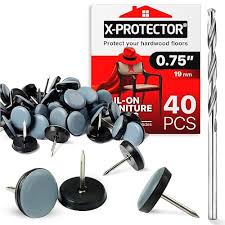
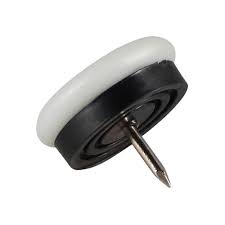
White plastic furniture glides provide a practical way to reduce this damage. They feature a plastic base and a metal nail tip that secures the fitting to the furniture leg.
Jobel Services lists these glides for residential and commercial furniture applications. They are suitable for wooden chairs, tables, stools and sofas.
If you want to protect your flooring, reduce furniture noise or improve the movement of wooden furniture, these fittings are worth considering.
https://jobelservices.co.ke/shop/page/1/
What Are White Plastic Furniture Glides?
Furniture glides are protective fittings attached to the bottom of furniture legs. They create a contact surface between the furniture and the floor.
Some glides use plastic, rubber, felt or metal components. Their design determines how they interact with different floor surfaces.
Jobel Services offers white plastic furniture glides with a felt-like protective contact surface and a metal nail tip for attachment.
The product listing highlights these features:
- Durable protective base to help prevent floor scratches.
- Metal nail tip for secure attachment.
- Suitability for wooden chairs, tables, stools and sofas.
- Reduced noise when moving furniture.
- Compatibility with hardwood, tiles, laminate and vinyl floors.
- Installation using a hammer.
These fittings are particularly useful for furniture that moves frequently, such as dining chairs, office chairs with wooden legs and movable stools.
https://www.jobelgeneralhardware.com/shop
Key Features of Jobel Services White Plastic Furniture Glides
1. Protective Contact Surface
The glide creates a protective layer between the furniture leg and the floor.
Without a suitable fitting, direct contact between a wooden furniture leg and the floor may cause scratches, marks and surface wear.
A protective glide helps reduce this direct friction.
2. Strong Metal Nail Tip
The product features a metal nail tip that attaches the glide to the wooden furniture leg.
This attachment method helps keep the fitting in position during normal furniture use.
Before installation, check the condition and thickness of the furniture leg to ensure it can accommodate the nail securely.
3. Noise Reduction
Furniture movement can produce scraping and dragging sounds, particularly on hard flooring.
The glide helps reduce friction and noise when moving suitable furniture.
This can improve comfort in homes, offices, restaurants and other spaces where chairs and tables move frequently.
4. Suitable for Different Floor Types
Jobel Services identifies several compatible floor surfaces:
- Hardwood.
- Ceramic and other tiles.
- Laminate.
- Vinyl.
The protective contact surface helps reduce direct friction between furniture legs and these flooring materials.
However, floor protection depends on the condition of the glide and the cleanliness of the floor. Dirt trapped beneath a fitting can still cause scratches.
5. Easy Installation
The product listing describes installation using a hammer.
This makes the fitting practical for basic furniture maintenance.
You should still install it carefully to prevent damage to the furniture leg or the protective fitting.
6. Suitable for Residential and Commercial Furniture
These glides can be used in different environments.
Homeowners can fit them to dining chairs and tables. Businesses can use them on suitable wooden furniture in offices, restaurants and other commercial spaces.
Why Should You Install Furniture Glides?
Furniture glides provide several practical benefits. They help protect flooring and improve the way furniture interacts with the floor.
1. Protect Your Floors From Scratches
Wooden furniture legs can scratch floors when dragged or repeatedly moved.
This is particularly common with dining chairs, stools and tables.
Installing protective glides reduces direct contact between the furniture legs and the floor.
This helps preserve the appearance of your flooring and may reduce repair or replacement costs.
2. Reduce Scraping Noise
Chairs often produce noise when people pull them away from dining tables or move them across office floors.
Suitable furniture glides reduce friction and help make movement quieter.
This is useful in offices, meeting rooms, restaurants and homes.
3. Make Furniture Easier to Move
A suitable glide creates a smoother contact surface.
This can make it easier to reposition chairs and other furniture during cleaning, rearrangement and everyday use.
The actual movement depends on the floor surface, furniture weight and glide condition.
4. Protect Furniture Legs
Direct contact with floors can wear down the bottom sections of furniture legs.
Protective fittings help reduce this contact and limit wear.
They can also help prevent damage to painted or finished wooden surfaces near the bottom of the legs.
5. Support Furniture Maintenance
Replacing worn glides is a simple furniture maintenance task.
You may not need to replace the entire chair or table when its protective fittings become damaged.
Inspect the furniture legs and install suitable replacements where necessary.
Where Can You Use White Plastic Furniture Glides?
Jobel Services lists these fittings for wooden furniture legs. Their applications include several common furniture types.
1. Dining Chairs
Dining chairs move frequently as people sit down and stand up.
Without protective fittings, their legs can scratch tiled, wooden or laminate floors.
Installing glides helps reduce friction and scraping sounds.
2. Wooden Tables
Tables may remain stationary for long periods, but people sometimes move them when cleaning or rearranging a room.
Furniture glides help protect the floor during these movements.
They can also help protect the bottom of the table legs from direct floor contact.
3. Wooden Stools
Stools often move between different locations in kitchens, workshops and commercial spaces.
Suitable glides can reduce wear on the floor and help make repositioning easier.
4. Sofas
Some sofas have wooden legs that rest directly on the floor.
Furniture glides can help protect the floor beneath these legs, particularly when repositioning the sofa.
Choose fittings that can support the furniture’s weight and match the leg design.
5. Office Furniture
Offices use chairs, tables and other wooden furniture throughout the day.
Protective glides can help reduce noise and floor damage in meeting rooms, reception areas and workspaces.
Check the furniture leg design before selecting the fitting.
6. Restaurant Furniture
Restaurant chairs and tables experience frequent movement.
Installing suitable glides can help reduce scraping noise and protect floor surfaces.
This is particularly useful in spaces with hard flooring.
White Plastic Furniture Glides vs Other Furniture Protectors
Different protective fittings serve different purposes. Understanding their differences helps you select the right option.
| Furniture protector | Main function | Common application |
|---|---|---|
| White plastic furniture glides | Protects floors and reduces friction | Wooden chairs, tables, stools and sofas |
| Felt pads | Cushions contact between furniture and floor | Chairs, cabinets and tables |
| Rubber furniture feet | Provides grip and helps prevent slipping | Tables, stools and selected chairs |
| Metal furniture glides | Provides a durable contact surface | Selected heavy-duty furniture |
| Plastic caps | Covers the ends of furniture legs | Metal and wooden furniture, depending on design |
The best choice depends on the furniture material, floor type, furniture weight and intended movement.
Jobel Services’ white plastic glides use a nail-on attachment. Therefore, they are intended for compatible furniture legs rather than every type of chair or table.
How to Choose the Right Furniture Glides
Before purchasing furniture glides, inspect your furniture and flooring.
1. Check the Furniture Leg Material
The Jobel Services product uses a metal nail tip for attachment.
This makes it suitable for compatible wooden furniture legs.
If your furniture has hollow metal legs, plastic legs or a different construction, ask the supplier whether another fitting is more appropriate.
2. Measure the Furniture Leg
Check the size of the bottom surface of the furniture leg.
The glide should fit the available attachment area without creating an unstable contact point.
If you are unsure about the correct size, send photographs and measurements to the supplier.
3. Consider the Floor Type
Identify the floor material before choosing a protector.
Hardwood, tiles, laminate and vinyl may require different protective solutions depending on their surface characteristics.
Jobel Services lists its white plastic glides for these flooring types.
4. Consider Furniture Weight
A glide must support the furniture and the expected load.
Heavy furniture places greater pressure on its protective fittings.
Check the suitability of the product before installing it on particularly heavy sofas, cabinets or tables.
5. Check the Attachment Method
Different glides use different installation methods.
Some attach with nails, while others use screws, adhesive or push-fit designs.
Jobel Services’ product uses a metal nail tip and can be installed with a hammer.
Confirm that this method suits your furniture.
6. Consider How Frequently the Furniture Moves
Furniture used every day may experience faster wear than pieces that rarely move.
Dining chairs and restaurant furniture often require regular inspection.
Choose fittings that suit the frequency and type of movement.
How to Install White Plastic Furniture Glides
Installing nail-on furniture glides is relatively straightforward when the furniture legs are compatible.
Follow these steps for a basic installation.
Step 1: Prepare the Furniture
Remove objects from the furniture before installation.
For chairs and tables, turn the furniture over carefully so you can access the bottom of each leg.
If the furniture is heavy, ask someone to help you position it safely.
Step 2: Inspect the Furniture Legs
Check the bottom of each wooden leg.
Look for cracks, loose material, old nails or damaged protective fittings.
Repair damaged sections before installing new glides.
Step 3: Remove Old Glides
If the furniture already has protective fittings, remove those that are damaged or worn.
Use suitable tools to avoid splitting the wooden legs.
Remove loose nails and debris from the attachment area.
Step 4: Position the New Glide
Place the glide against the bottom of the furniture leg.
Ensure that it sits centrally and makes proper contact with the leg.
Correct positioning helps prevent uneven pressure and movement.
Step 5: Secure the Metal Nail Tip
Use a hammer to secure the nail tip into the wooden furniture leg.
Apply controlled force and keep the fitting straight.
Avoid striking the plastic base directly with excessive force.
Step 6: Repeat the Installation
Install the remaining glides on the other furniture legs.
Check that each fitting sits securely and that the furniture rests evenly.
Step 7: Test the Furniture
Return the furniture to its normal position.
Check its stability and move it gently across the floor.
Inspect the fittings to ensure they remain attached and provide even contact.
Common Mistakes to Avoid When Installing Furniture Glides
Installing Glides on Damaged Wooden Legs
A cracked or weakened furniture leg may not hold a nail securely.
Repair the damaged section before fitting a replacement glide.
Positioning the Glide Incorrectly
An off-centre fitting may create uneven contact with the floor.
Position the glide carefully so that it sits correctly beneath the furniture leg.
Using the Wrong Fitting for the Furniture Material
Nail-on glides are intended for compatible furniture legs.
Do not force them into hollow metal or unsuitable plastic legs.
Ignoring Furniture Weight
A fitting that is unsuitable for heavy furniture may become loose or damaged.
Confirm the product’s suitability before installation.
Leaving Dirt Beneath the Glides
Dust, sand and small particles can become trapped between the glide and floor.
These particles may cause scratches when the furniture moves.
Clean the floor and inspect the fittings regularly.
Continuing to Use Worn Glides
A damaged or missing glide exposes the furniture leg to direct contact with the floor.
Replace worn fittings promptly.
How to Maintain Furniture Glides
Furniture glides need occasional inspection to remain effective.
Inspect the Fittings Regularly
Check whether the glides remain securely attached.
Look for cracks, missing components and signs of excessive wear.
Clean the Contact Surface
Remove dust and dirt from the bottom of the glides.
This helps prevent trapped particles from scratching the floor.
Replace Damaged Fittings
If a glide becomes loose, cracked or worn, replace it with a suitable fitting.
Do not rely on a damaged glide to protect the floor.
Check Furniture Stability
After replacing a glide, check that the furniture rests evenly.
Uneven fittings can cause chairs and tables to wobble.
Avoid Dragging Heavy Furniture
Even with protective glides, dragging very heavy furniture across the floor may cause damage.
Lift furniture where practical or use suitable moving equipment.
How Much Do White Plastic Furniture Glides Cost in Kenya?
Jobel Services lists its White Plastic Furniture Glides at KSh 25 per piece.
The amount you spend depends on the number of furniture legs that need protection.
Here are example calculations using the listed unit price:
| Quantity | Estimated cost |
|---|---|
| 4 pieces | KSh 100 |
| 8 pieces | KSh 200 |
| 12 pieces | KSh 300 |
| 16 pieces | KSh 400 |
| 20 pieces | KSh 500 |
| 40 pieces | KSh 1,000 |
These figures are calculations based on KSh 25 per piece. Confirm the current price and any quantity requirements before ordering.
For a home or business with several chairs and tables, count the furniture legs first. This helps you estimate the number of fittings required.
Where to Buy White Plastic Furniture Glides in Nairobi
Jobel Services supplies furniture accessories for home, office and upholstery applications.
You can order its White Plastic Furniture Glides through the official product page:
https://jobelservices.co.ke/product/white-plastic-furniture-glides/
You can also visit the physical shop:
Jobel Services
Gikomba, Beaver House, opposite NCBA Bank, Nairobi.
Call or WhatsApp: +254 701 930876.
Before ordering, share photographs of your furniture legs and explain the type of flooring you want to protect.
If you need fittings for several chairs, tables or sofas, provide the quantity required so the team can assist with your enquiry.
Frequently Asked Questions About White Plastic Furniture Glides
1. What are white plastic furniture glides used for?
They attach to furniture legs and help protect floors from scratches. They can also reduce friction and noise when moving suitable furniture.
2. How much do white plastic furniture glides cost in Kenya?
Jobel Services lists its white plastic furniture glides at KSh 25 per piece. Confirm the current price before ordering.
3. Where can I buy furniture glides in Nairobi?
You can buy them from Jobel Services at Gikomba, Beaver House, opposite NCBA Bank, Nairobi. You can also order through its online shop.
4. Are these furniture glides suitable for wooden chairs?
Yes. The product is designed for compatible wooden furniture legs, including chairs, tables, stools and sofas.
5. Can furniture glides protect tiled floors?
Yes. Jobel Services lists its glides for use on tiles, as well as hardwood, laminate and vinyl floors.
6. Do furniture glides reduce noise?
Yes. The protective contact surface helps reduce friction and scraping sounds when moving suitable furniture.
7. How do I install nail-on furniture glides?
Position the fitting beneath the wooden furniture leg and secure its metal nail tip using a hammer. Check that the fitting sits straight and securely.
8. Can I install these glides on metal furniture legs?
The listed product uses a nail attachment designed for compatible wooden legs. Ask Jobel Services about alternatives for metal furniture legs.
9. How many furniture glides do I need for a chair?
Most standard four-legged chairs require four fittings, one for each leg. Check the actual chair design before ordering.
10. Do furniture glides need replacement?
Yes. Inspect them periodically and replace fittings that become loose, cracked, missing or excessively worn.
11. Can I use furniture glides on sofas?
Yes. Jobel Services lists these fittings for suitable wooden sofa legs. Check the leg dimensions and furniture weight before purchasing.
12. Do furniture glides work on laminate flooring?
The product listing identifies laminate as one of its suitable floor surfaces. Keep the contact surface clean to reduce the risk of trapped dirt scratching the floor.
Buy White Plastic Furniture Glides From Jobel Services
White plastic furniture glides provide a practical way to protect floors and reduce noise from moving wooden furniture. They are suitable for compatible chairs, tables, stools and sofas.
Jobel Services lists these fittings at KSh 25 each. Their protective base and metal nail attachment make them useful for everyday furniture maintenance.
Before ordering, check your furniture leg dimensions, material and required quantity.
Ready to protect your floors?
Visit the White Plastic Furniture Glides product page or contact Jobel Services on +254 701 930876.
You can also visit the shop at Gikomba, Beaver House, opposite NCBA Bank, Nairobi.
Send photographs of your furniture legs when requesting assistance. This helps confirm whether the fittings are suitable for your furniture.
