

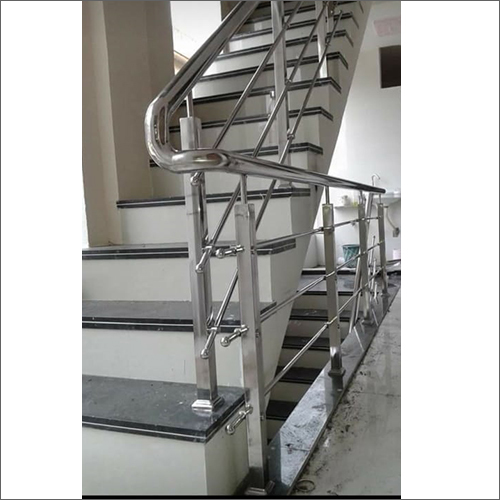
Stainless Steel Staircases in Kenya: Prices, Designs and Benefits
Where Can You Buy Stainless Steel Staircases in Kenya?
You can enquire about stainless steel staircases in Kenya from Jobel Services. The company lists customisable stainless steel staircases for residential and commercial properties. Its product description highlights strength, corrosion resistance, modern appearance and low-maintenance construction.
A staircase connects different levels of a building. It also influences the appearance, accessibility and safety of the space. Choosing the right design requires careful consideration of measurements, materials, structural support, railing arrangements and installation requirements.
Jobel Services lists its Stainless Steel Staircase at KSh 250,000, reduced from KSh 300,000 on its product page. Confirm the current price and obtain a project-specific quotation before ordering.
Whether you are constructing a new building or upgrading an existing staircase, this guide explains what to consider before choosing a stainless steel staircase.

https://jobelservices.co.ke/product/stainless-steel-stair-case/
What Is a Stainless Steel Staircase?
A stainless steel staircase is a stair structure that uses stainless steel for some or all of its main components.
Depending on the design, stainless steel may form the supporting structure, handrails, balustrades, posts or other visible fittings.
Stainless steel is used in building projects because it offers strength, a modern appearance and resistance to corrosion under suitable conditions.
Jobel Services lists stainless steel staircases with customisation options for size, shape, railing style and finish. This allows customers to discuss a design that suits their building layout.
The final staircase specification should match the building’s structural requirements, available space and intended use.

https://www.jobelgeneralhardware.com/
Key Features of Jobel Services Stainless Steel Staircases
The Jobel Services product listing highlights several features.
1. Strong Construction
A staircase must support people as they move between floors. Its structure, connections and supporting surfaces must therefore meet the required load and safety standards.
Stainless steel offers useful strength for staircase construction. However, the actual performance depends on the grade, thickness, design, fabrication and installation.
Ask for details about the materials and structural specifications before approving a staircase design.
2. Corrosion Resistance
Stainless steel offers resistance to corrosion because of its protective surface layer.
This makes it a useful material for many indoor and outdoor applications. However, corrosion resistance varies by stainless steel grade and environmental conditions.
For example, locations exposed to moisture, cleaning chemicals or coastal conditions may require careful material selection and maintenance.
Ask the supplier which stainless steel grade is suitable for your installation environment.
3. Customisable Designs
Jobel Services highlights customisation options for:
- Staircase size.
- Staircase shape.
- Railing style.
- Surface finish.
These options help customers coordinate a staircase with the building’s layout and interior design.
A custom design should still follow appropriate structural and safety requirements.
4. Modern Appearance
Stainless steel has a clean appearance that can complement contemporary residential and commercial buildings.
Its finish can work with different architectural styles, depending on the staircase design and other materials used in the building.
You can discuss the preferred appearance, railing arrangement and finish before fabrication begins.
5. Easy Maintenance
The Jobel Services listing describes its stainless steel staircases as easy to maintain.
Regular cleaning helps remove dust, fingerprints and other surface dirt. The appropriate cleaning method depends on the finish and the manufacturer’s recommendations.
Inspect the joints, railings and fixings periodically to identify signs of damage or loosening.
Benefits of Installing a Stainless Steel Staircase
1. Long-Term Material Performance
Stainless steel offers a useful combination of strength and corrosion resistance.
When you select an appropriate grade and maintain the staircase correctly, the material can serve many years of regular use.
The staircase’s lifespan also depends on fabrication quality, structural design, installation and environmental exposure.
2. Modern Architectural Appeal
A stainless steel staircase can improve the appearance of a building.
Its clean lines and metallic finish may suit modern homes, offices, hotels and commercial spaces.
You can coordinate the staircase with glass, timber, concrete or other suitable building materials.
The final appearance depends on the design and selected finish.
3. Suitable for Different Building Types
Stainless steel staircases can be designed for several environments.
Potential applications include:
- Residential houses.
- Apartment buildings.
- Office buildings.
- Hotels.
- Retail premises.
- Commercial developments.
- Selected outdoor spaces.
Each application has different structural and safety requirements. A staircase designed for a private home may not automatically suit a busy commercial building.
4. Customisation Around Available Space
Buildings have different floor heights, room dimensions and architectural layouts.
A custom staircase can be planned around the available space instead of relying on a standard design that may not fit.
Accurate measurements help the designer determine the staircase layout, number of steps, landing requirements and railing arrangement.
5. Practical Cleaning Requirements
Stainless steel surfaces are generally straightforward to clean.
You can remove ordinary dust and fingerprints using a soft cloth and a suitable cleaning product.
Avoid abrasive materials that may scratch the finish. Follow the manufacturer’s care instructions for specialised surfaces.
Types of Stainless Steel Staircase Designs
The right staircase design depends on the available space, building layout, preferred appearance and intended use.
The following are common staircase design categories to discuss with a qualified designer or fabricator. They are general design options, not a confirmation that every configuration is available from Jobel Services.
1. Straight Staircases
<AsyncImage query=”modern straight stainless steel staircase interior minimalist railing” aspectRatio=”16:9″ width=”100%”/>
A straight staircase follows one continuous direction between two levels.
It is often easier to understand and plan than more complex staircase layouts. However, it requires sufficient horizontal space.
Consider a straight design when the building layout provides enough room for the full staircase run.
2. L-Shaped Staircases
<AsyncImage query=”modern L shaped stainless steel staircase interior landing” aspectRatio=”16:9″ width=”100%”/>
An L-shaped staircase changes direction through a landing or turning arrangement.
This design can suit buildings where a straight staircase would take up too much uninterrupted space.
The landing position and structural support require careful planning.
3. U-Shaped Staircases
<AsyncImage query=”modern U shaped stainless steel staircase interior double flight” aspectRatio=”16:9″ width=”100%”/>
A U-shaped staircase turns back in the opposite direction.
It usually includes two flights connected by a landing or turning section.
This arrangement can work in buildings with a suitable central staircase area.
4. Spiral Staircases
<AsyncImage query=”modern stainless steel spiral staircase residential interior” aspectRatio=”16:9″ width=”100%”/>
A spiral staircase follows a curved path around a central support.
It can fit into spaces where a conventional staircase would be difficult to accommodate.
However, its step dimensions, usable width, headroom and handrail arrangement need careful attention. A spiral design may not be appropriate for every user or building.
5. Floating-Style Staircases
<AsyncImage query=”modern floating stainless steel staircase glass railing interior” aspectRatio=”16:9″ width=”100%”/>
Floating-style staircases create an appearance in which the steps seem to extend from the wall or supporting structure.
This design requires appropriate structural support and professional engineering.
Do not choose a floating appearance without confirming how the staircase will safely transfer loads to the building.
Stainless Steel Staircase Applications
Residential Buildings
Homeowners may choose stainless steel staircases when constructing or renovating multi-level houses.
The design can complement modern interiors and coordinate with other metal fittings.
Before installation, consider household members, children, older people and anyone who may need additional support when using the stairs.
Apartment Buildings
Apartment buildings require staircases that can accommodate regular movement between floors.
The design must meet applicable building requirements for width, headroom, handrails, landings and emergency access.
A qualified professional should assess the staircase layout before fabrication.
Office Buildings
Stainless steel staircases can suit office interiors where appearance and practical access both matter.
Consider the expected number of users and the building’s daily traffic.
Commercial installations need suitable structural design and compliance with relevant safety requirements.
Hotels and Hospitality Properties
Hotels may use stainless steel staircases in selected interior or exterior areas.
The design should complement the property’s appearance while supporting regular guest and staff movement.
Pay attention to handrail comfort, step dimensions, surface grip and maintenance requirements.
Retail and Commercial Premises
Retail buildings may require staircases for access between customer areas, offices and storage levels.
The staircase must suit the expected traffic and intended use.
A qualified designer should confirm whether the proposed layout meets applicable access and safety requirements.
How to Choose the Right Stainless Steel Staircase in Kenya
Selecting a staircase requires planning before fabrication begins. Use these factors when discussing your project with a supplier.
1. Measure the Available Space
Start by measuring the staircase area.
Important measurements include:
- Total floor-to-floor height.
- Available horizontal length.
- Available staircase width.
- Ceiling height and headroom.
- Landing dimensions.
- Position of nearby doors and windows.
- Location of structural walls and supports.
These measurements help determine which staircase layouts are practical.
Do not estimate dimensions when preparing a custom staircase order. Arrange an accurate site assessment where necessary.
2. Consider the Building Layout
The staircase must fit the building without obstructing doors, corridors or other important spaces.
Check how people will approach and leave the staircase. Also consider furniture movement, maintenance access and emergency routes.
A design that looks attractive in a photograph may not work in your actual building.
3. Select the Appropriate Stainless Steel Grade
Different stainless steel grades have different properties.
The correct grade depends on the installation environment, exposure to moisture, cleaning requirements and structural design.
Ask the supplier to identify the proposed material grade.
For outdoor or moisture-prone locations, discuss corrosion resistance and the maintenance requirements before approving the material.
4. Choose a Suitable Railing Design
Handrails and guardrails are important parts of staircase safety.
Consider:
- Railing height.
- Handrail grip.
- Baluster or infill arrangement.
- Gap sizes.
- Connection strength.
- Ease of cleaning.
- Suitability for children and other users.
The design must meet the applicable building and safety requirements.
Do not select a railing based only on appearance.
5. Consider Step Dimensions
The height and depth of each step influence how comfortably people use the staircase.
Inconsistent step dimensions can create trip hazards.
A qualified staircase designer should calculate suitable dimensions and confirm compliance with applicable building standards.
6. Check the Surface Finish
Stainless steel staircases can have different finishes.
The choice affects the appearance and cleaning requirements.
Discuss whether you prefer a polished, brushed or another suitable finish. Ask how the selected finish will perform in the intended environment.
7. Confirm Structural Support
A staircase must transfer its loads safely to the building.
The supporting structure, connections, anchors and installation surfaces must suit the design.
For custom staircases, involve a qualified structural professional where required. Do not approve fabrication based only on a visual drawing.
8. Establish the Complete Project Cost
The staircase price may depend on its dimensions, layout, material grade, finish, railing design and installation requirements.
Request a detailed quotation that identifies:
- Staircase design.
- Material specifications.
- Fabrication work.
- Railing arrangement.
- Surface finish.
- Delivery.
- Installation.
- Site preparation.
- Any additional structural work.
This helps you compare quotations based on similar specifications.
Stainless Steel Staircases vs Other Staircase Materials
Different staircase materials offer different design and maintenance considerations.
| Factor | Stainless Steel | Timber | Concrete |
|---|---|---|---|
| Appearance | Modern metallic finish | Natural wood appearance | Solid architectural appearance |
| Maintenance | Requires appropriate cleaning and inspection | May need refinishing and protection | Depends on surface finish |
| Corrosion | Resistant to corrosion when the correct grade is used | Not subject to metal corrosion | Not subject to metal corrosion |
| Design flexibility | Can be fabricated into different layouts | Can be shaped and finished in different ways | Requires suitable formwork and construction |
| Structural design | Depends on grade, thickness and connections | Depends on timber species and construction | Depends on reinforcement and concrete design |
| Best selection factor | Material grade, fabrication and finish | Timber quality and maintenance | Structural design and construction quality |
No material is automatically the best choice for every building.
Compare the building requirements, available space, expected use, maintenance needs and project budget before deciding.
How Much Does a Stainless Steel Staircase Cost in Kenya?
The cost of stainless steel staircases in Kenya varies according to the design and project specifications.
Jobel Services lists its Stainless Steel Staircase at KSh 250,000, with KSh 300,000 shown as the previous price on its product page.
Treat this as the listed product price, not a guaranteed quotation for every custom staircase. A project with different dimensions, materials or installation requirements may have a different cost.
The following factors can influence the final price:
Staircase Size
Larger staircases may require more material and fabrication work.
The total height, width and number of steps influence the design.
Design Complexity
Straight staircases and more complex curved or turning designs may require different fabrication processes.
Custom layouts can also require additional planning and structural work.
Material Grade and Thickness
The stainless steel grade and material thickness affect the cost and performance of the finished staircase.
Confirm the specifications rather than comparing quotations based only on the phrase stainless steel.
Railing Design
The railing arrangement, handrail profile, posts and infill materials can affect the overall project cost.
Surface Finish
Different finishes may require different preparation and finishing processes.
Installation Requirements
Site access, structural supports, delivery distance and installation complexity can influence the final quotation.
Provide the supplier with project measurements and photographs to help establish the scope of work.
Common Mistakes to Avoid When Buying a Stainless Steel Staircase
1. Choosing a Design Without Measuring the Site
A staircase must fit the actual building layout.
Measure the available area and floor height before selecting a design.
2. Prioritising Appearance Over Safety
A modern staircase still needs suitable step dimensions, secure railings, adequate headroom and structural support.
Ask a qualified professional to assess the proposed design.
3. Ignoring the Stainless Steel Grade
Not all stainless steel has identical corrosion resistance or mechanical properties.
Confirm the grade and its suitability for the installation environment.
4. Selecting an Inappropriate Railing
A railing should provide practical support and help prevent falls.
Consider its height, grip, spacing and structural connections.
5. Comparing Prices Without Comparing Specifications
Two staircase quotations may include different materials, finishes and installation work.
Request itemised quotations before deciding.
6. Overlooking Building Regulations
Staircases must comply with applicable building and safety requirements.
Consult the relevant professionals and authorities before construction or renovation.
7. Hiring an Unqualified Installer
Poor fabrication or installation can affect staircase stability and safety.
Use appropriately qualified professionals for design, fabrication and installation.
How to Maintain a Stainless Steel Staircase
Proper maintenance helps preserve the appearance and condition of a stainless steel staircase.
Follow these practices:
- Clean regularly: Remove dust and dirt with a soft cloth and suitable cleaning solution.
- Avoid abrasive materials: Rough scouring pads can scratch the finish.
- Remove contaminants: Clean substances that may cause staining or corrosion.
- Inspect railings: Check handrails, posts and connections for movement or damage.
- Check structural connections: Arrange professional inspection if you notice loose fittings or unusual movement.
- Keep steps safe: Remove spills and substances that could make the staircase slippery.
- Follow material-specific care instructions: Use products suitable for the selected stainless steel finish.
Do not ignore cracks, loose connections or signs of structural movement. Arrange an inspection promptly.
Where to Buy Stainless Steel Staircases in Nairobi
Jobel Services lists stainless steel staircases for residential and commercial projects.
If you are planning a staircase installation in Nairobi, contact the company to discuss the design, measurements, materials and customisation requirements.
Before making an enquiry, prepare:
- Photographs of the installation area.
- Floor-to-floor height.
- Available staircase space.
- Preferred staircase layout.
- Preferred railing design.
- Indoor or outdoor installation location.
- Your estimated project budget.
For a custom project, a site assessment may be necessary before the supplier can confirm the final design and quotation.
Visit Jobel Services at Gikomba, Beaver House, opposite NCBA Bank, Nairobi.
Call or WhatsApp +254 701 930876 to enquire about stainless steel staircases and other home improvement products.
You can also visit the official shop at https://jobelservices.co.ke/shop/.
Frequently Asked Questions About Stainless Steel Staircases in Kenya
1. How much does a stainless steel staircase cost in Kenya?
Jobel Services lists its Stainless Steel Staircase at KSh 250,000, with KSh 300,000 shown as the previous price. Custom project costs depend on dimensions, design, material specifications, railing arrangement and installation requirements.
2. Where can I buy stainless steel staircases in Nairobi?
You can enquire with Jobel Services at Gikomba, Beaver House, opposite NCBA Bank, Nairobi. Call or WhatsApp +254 701 930876 for product details and project quotations.
3. Are stainless steel staircases suitable for homes?
Yes. They can be designed for residential properties, provided the layout, structural support, step dimensions and railing arrangement meet the applicable safety requirements.
4. Can stainless steel staircases be customised?
Jobel Services highlights customisation options for size, shape, railing style and finish. Contact the company to discuss your building measurements and preferred design.
5. Are stainless steel staircases suitable for outdoor use?
They can be suitable for outdoor applications when the correct stainless steel grade and finish are selected. Consider moisture, environmental exposure and maintenance requirements before choosing the material.
6. Do stainless steel staircases rust?
Stainless steel resists corrosion, but it is not completely immune to rust or staining. Its performance depends on the grade, environment, surface condition and maintenance.
7. How long does a stainless steel staircase last?
Its service life depends on material quality, structural design, fabrication, installation and maintenance. Ask the supplier about the proposed specifications and recommended inspection routine.
8. Which staircase design saves space?
Spiral and some turning staircase designs can suit areas where a straight staircase would require too much horizontal space. However, the correct option depends on the building layout and safety requirements.
9. Are stainless steel staircases easy to maintain?
They generally require straightforward cleaning. Use suitable cleaning materials and inspect the railings, joints and connections periodically.
10. Can stainless steel be combined with glass or timber?
Yes. Stainless steel can be combined with other suitable materials in staircase designs. The connections and supporting structure must be designed correctly for the selected combination.
11. What should I measure before ordering a staircase?
Measure the floor-to-floor height, available horizontal space, staircase width, ceiling height and landing area. A qualified professional should verify the measurements and proposed design.
12. Does Jobel Services offer custom staircase designs?
The product listing highlights customisation options for size, shape, railing style and finish. Contact Jobel Services to confirm the available design and fabrication arrangements.
Get a Stainless Steel Staircase From Jobel Services
A stainless steel staircase can provide a modern appearance, practical strength and a customisable design for residential and commercial buildings.
The right staircase must fit your building, meet applicable safety requirements and use materials suitable for the installation environment.
Jobel Services lists stainless steel staircases with customisation options for size, shape, railing style and finish. Before ordering, discuss your measurements, preferred design, material specifications and installation requirements.
Ready to plan your staircase project?
Visit Jobel Services at Gikomba, Beaver House, opposite NCBA Bank, Nairobi, or call and WhatsApp +254 701 930876.
Send photographs and measurements of your proposed staircase area to help the team understand your project and prepare the next steps.
